
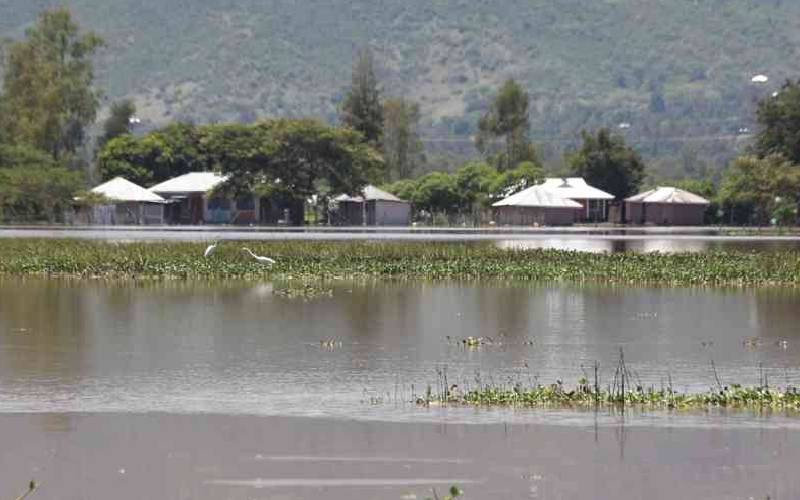
For a pregnant woman in a remote part of Kenya, an emergency can become life-threatening long before she reaches a hospital. Heavy rain can wash out the road, an ambulance may be unavailable, and the nearest maternity unit may lack the staff or supplies needed to save her baby.
As a strong El Niño develops and Kenya enters the October–December short-rains season, protecting mothers and newborns must be part of the country’s disaster preparations.
The World Meteorological Organization (WMO) says El Niño is expected to strengthen during the final months of 2026, increasing the likelihood of unusual rainfall patterns across parts of the Greater Horn of Africa. Regional forecasts point to a greater chance of wetter-than-normal conditions in several areas, including parts of Kenya.
That does not mean every county will experience flooding. The Kenya Meteorological Department’s local forecasts should guide decisions. But the prospect of heavy rain is a reason for health authorities to prepare before roads become impassable and essential services are disrupted.
For pregnant women, the consequences can be immediate: missed antenatal appointments, delayed referrals during labour and difficulty reaching facilities equipped to handle complications. Newborns may also lose access to timely care, warmth, feeding support and essential treatment.
A weather emergency can become a maternity emergency
Floods can damage roads, interrupt electricity supplies and contaminate water sources. Drought brings a different set of risks, including food shortages, water insecurity and pressure on household incomes.
Both can affect maternal and newborn health, particularly in communities where healthcare is already difficult to reach.
The challenge is not simply to tell expectant mothers to attend clinics. Women need transport, functioning facilities, skilled health workers and essential medicines when they arrive.
Kenya’s own maternal health strategy points to gaps that make this concern particularly pressing. The government’s Every Woman, Every Newborn, Everywhere (EWENE) Acceleration Plan 2026–2028 reports 355 maternal deaths for every 100,000 live births and 21 newborn deaths for every 1,000 births.
The plan aims to bring maternal mortality down to 140 or fewer deaths per 100,000 live births by 2028, while reducing newborn deaths to 12 or fewer per 1,000 births.
These targets will be harder to achieve if weather emergencies interrupt access to care. A facility cannot deliver safe maternity services if staff cannot reach work, medicines run out or an emergency referral cannot get through.
Three delays that can cost lives
Maternal health experts often describe three delays that can prevent a woman from receiving lifesaving care.
The first happens when a woman or her family does not recognise danger signs, cannot afford transport or waits too long before seeking help.
The second occurs when she tries to reach a health facility but faces long distances, poor roads or unavailable transport.
The third comes after arrival, when the facility lacks the staff, equipment, medicines or blood needed to provide treatment.
Extreme weather can worsen all three. A woman may know she needs help but be unable to travel. An ambulance may struggle to reach her. Even after she arrives, a hospital facing a power cut or supply shortage may not be able to provide the care she needs.
Climate preparedness must therefore go beyond weather warnings. It must ensure that women can seek care, reach it and receive appropriate treatment.
Kenya already has a plan. Can it work during a disaster?
The EWENE Acceleration Plan provides a national framework for reducing preventable maternal and newborn deaths. It brings together the national government, county administrations, health workers and partners around improvements in the quality and availability of care.
Its priorities include training health workers in emergency obstetric and newborn care, improving access to essential supplies and strengthening accountability.
The question now is how those commitments will hold up when floods disrupt normal operations.
County governments should identify communities most vulnerable to flooding and drought, map maternity facilities at risk and test emergency referral arrangements before conditions deteriorate. They should also know which roads are likely to become impassable and what alternative routes or transport arrangements are available.
Health facilities need practical contingency plans for backup electricity, safe water, essential medicines, staffing and the continued delivery of emergency maternity and newborn services.
Ambulance networks should be checked, communication systems tested and referral arrangements agreed between community health teams, local facilities and hospitals able to handle complicated births.
These preparations need to be reflected in county budgets, not left as recommendations on paper.
What humanitarian health standards require
The Minimum Initial Service Package (MISP) for sexual and reproductive health in crisis situations provides a recognised starting point for protecting women and girls during emergencies.
The package calls for coordinated action from the beginning of a crisis. Its priorities include preventing sexual violence and responding to survivors’ needs, reducing HIV transmission, preventing excess maternal and newborn deaths, and planning for more comprehensive reproductive health services.
For pregnant women, this means identifying those who may give birth during an emergency and ensuring they have a safe route to care. It also means keeping maternity services operational and making sure women and girls in emergency shelters have access to sanitation, menstrual hygiene supplies and protection.
Community health promoters and midwives can help by sharing reliable weather alerts, identifying pregnant women who may need urgent support and helping families maintain antenatal and postnatal care.
Preparedness must also include women who live far from hospitals and those who cannot easily pay for transport. Information alone will not solve those barriers.
Measure readiness before lives are lost
Authorities should be able to show whether maternity facilities remained open during severe weather, whether ambulances completed referrals and whether essential medicines and supplies were available.
Maternal and perinatal death reviews should also examine whether disrupted transport, damaged infrastructure or shortages contributed to deaths that might have been prevented. Findings must lead to corrective action.
The same scrutiny should apply to emergency spending. Counties need to know whether funds allocated for preparedness reached the facilities and communities most at risk.
The WMO has warned that the developing El Niño could shift rainfall patterns and raise the risk of flooding in parts of the region. However, the timing and impact of rainfall will vary, so Kenya’s response must follow the latest national and local forecasts rather than assume a uniform threat.
Kenya cannot control the weather. It can, however, reduce the danger when weather disrupts healthcare.
The measure of preparedness will be whether a woman in labour can reach skilled care when roads are flooded, whether a health worker can treat an emergency during a power cut, and whether a newborn receives essential care when ordinary services are under pressure.
For mothers and babies, climate readiness is not an optional extra. It is part of making safe childbirth and quality healthcare available to every woman, everywhere.
You may also like
Category: Health
Related Video: Human Ladder Reaches Dangerous Heights as Climbers Keep Going
Related Explainer: Ebola contact tracing: Why the 21-day window matters in Kenya’s response
About the Author
Maureen Onyango is a journalist passionate about storytelling, life coaching and spiritual lessons. She studied at the Kenya Institute of Management and enjoys telling stories that inform, inspire and empower communities.
 Facebook
 Twitter / X
 WhatsApp
 LinkedIn
 Telegram
 Reddit