
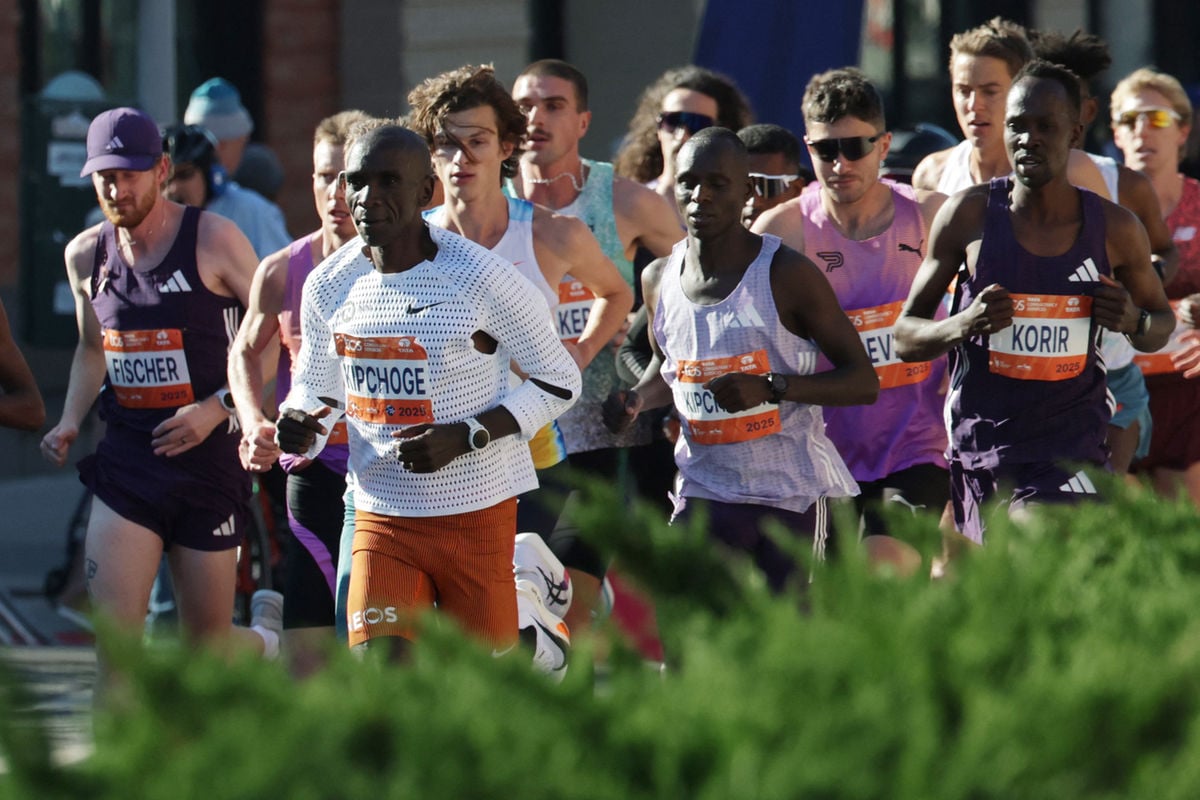
Kenya's continued success in international distance running has reinforced its reputation as one of the world's leading athletics nations.
Agnes Ngetich and Alexander Mutiso recently won the women's and men's races at the Tokyo Legacy Half Marathon, both setting course records.
Their performances provide another example of Kenya's remarkable depth of long-distance talent.
But beyond the celebrations lies a bigger economic question: how much of the value generated by Kenyan athletics remains with athletes, coaches and communities?
A global reputation built over decades
Kenyan athletes have achieved success across road racing, cross-country and track events for generations.
The country's distance-running tradition has produced Olympic champions, world champions and major marathon winners.
Training communities, particularly in the Rift Valley, have become internationally recognised centres for endurance sport.
That reputation attracts athletes, coaches, managers and visitors from around the world.
It also creates opportunities for businesses providing accommodation, training services, transport and equipment.
Yet sporting success does not automatically translate into a well-developed domestic sports economy.
What happens to athletes' earnings?
Elite runners may receive prize money, appearance fees and sponsorship income.
But earnings vary widely.
A small number of internationally successful athletes can command substantial contracts, while many emerging runners struggle to cover training, travel and living expenses.
Athletes may also incur costs associated with coaching, management and medical care.
Financial literacy and transparent contractual arrangements are therefore important.
Without appropriate support, successful athletes can face financial difficulties after their competitive careers end.
The infrastructure challenge
Kenya's athletics success has often been associated with dedicated athletes and coaches rather than extensive investment in facilities.
High-quality training tracks, sports medicine services, rehabilitation centres and performance laboratories can help athletes compete safely and consistently.
Such facilities also create employment opportunities for medical professionals, physiotherapists, coaches and sports scientists.
Investment outside established athletics centres could widen access to training and talent identification.
Can athletics support local economies?
International training camps and major sporting events can generate demand for hospitality, transport and other services.
Local businesses may benefit when visiting athletes spend money in training towns.
Kenya could also develop stronger commercial opportunities around coaching, sports tourism, event management and athletic equipment.
However, those benefits depend on infrastructure, marketing and transparent business arrangements.
Hosting events without sound financial planning does not guarantee economic returns.
Protecting the next generation
Young athletes need opportunities to develop without sacrificing education, health or financial security.
That requires safeguards against exploitation and clear standards for coaching and athlete representation.
Anti-doping education and independent medical support are also essential to protecting careers and maintaining confidence in competition.
Successful athletes should have access to career planning and opportunities beyond sport.
What should Kenya measure?
Medals and race records remain important indicators of sporting achievement.
But they should not be the only measures of progress.
Kenya could also assess athlete income security, access to training facilities, employment created by sporting activity and the quality of athlete welfare programmes.
The achievements of Ngetich and Mutiso deserve recognition.
Their wider significance is the opportunity to examine how Kenya can build an athletics industry that remains valuable long after individual races have ended.
Category: Sports
Related Video: What Dangote’s proposed Lamu oil refinery could mean for East Africa
Related Explainer: Kiharu Technical College September Intake 2026: Courses, Skills and New Opportunities
 Facebook
 Twitter / X
 WhatsApp
 LinkedIn
 Telegram
 Reddit