
Kenya's expanding network of speed cameras is facing growing scrutiny as motorists question speed limits, the accuracy of automated penalties and the legal procedures used to issue instant traffic fines.
The National Transport and Safety Authority (NTSA) has deployed camera-based enforcement along major roads, including the Nairobi Expressway approaches, Redhill Road, Thika Superhighway and sections of Nairobi's bypasses.
The technology is intended to reduce speeding, improve compliance and make traffic enforcement more transparent.
But complaints about abrupt changes in speed limits, inadequate road signs and multiple fines have raised a wider question: is Kenya introducing automated enforcement faster than it is addressing the weaknesses in its road infrastructure and traffic management?
The controversy has also created opportunities for fraudsters sending fake traffic fine notifications to unsuspecting motorists.
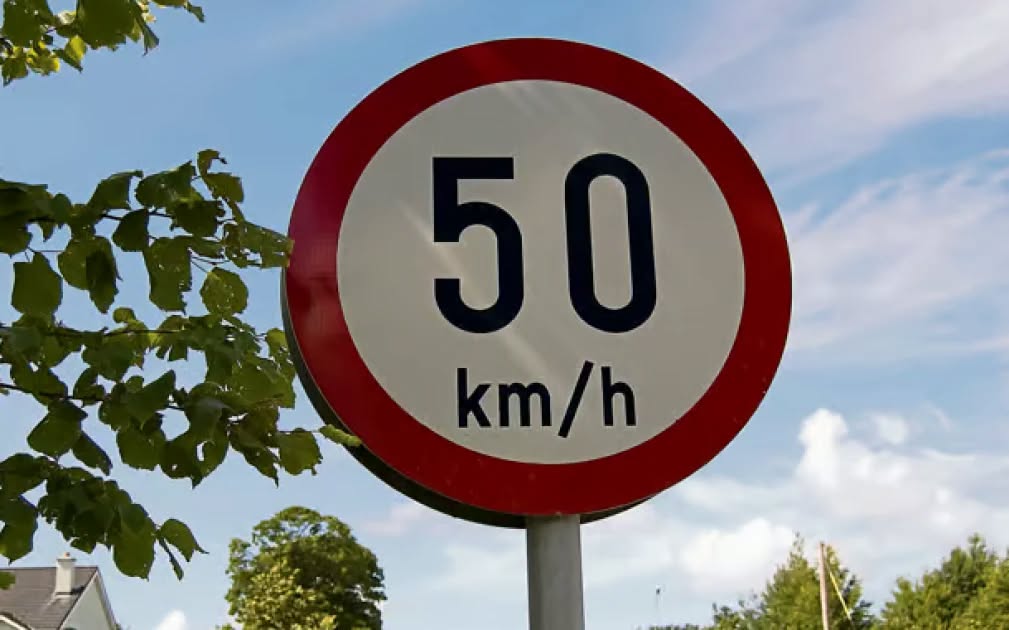
Why motorists are questioning the 50km/h speed limit
One of the biggest concerns involves sections of roads where the maximum permitted speed drops to 50km/h.
Motorists have questioned the appropriateness of such limits on wide, multi-lane roads designed to carry substantial volumes of traffic.
Redhill Road has attracted particular attention.
In November 2024, motorists reported receiving NTSA alerts after their vehicles were recorded travelling slightly above the 50km/h limit.
One widely reported example involved a vehicle allegedly travelling at 54km/h.
Similar concerns have emerged around sections of Thika Road, where motorists and legislators have questioned abrupt reductions in permitted speeds.
During parliamentary proceedings in July 2026, MPs raised concerns about 50km/h limits on major roads and the risk of sudden braking as drivers approach enforcement points.
The government acknowledged that some traffic signs across the national road network were missing, damaged, obscured or vandalised.
That admission raises questions about whether motorists receive adequate warning before entering camera-monitored zones.
However, a speed limit does not become invalid simply because drivers consider it too low.
Its legal status depends on the applicable traffic regulations, road classification and properly authorised restrictions.
Where are speed cameras monitoring motorists?
Published reports identify several camera-monitored roads in Nairobi and its surroundings.
These include:
-
Redhill Road: A reported 50km/h limit on the relevant monitored section.
-
Nairobi Expressway approaches: An 80km/h limit has been reported between Museum Hill and Westlands.
-
Thika Superhighway: Reported limits range from 80km/h to 110km/h depending on the section, with lower restrictions in particular areas.
-
Mombasa Road: An 80km/h limit has been reported around Nyayo Stadium, Sameer Business Park and the JKIA approaches.
-
Lang'ata Road: A 50km/h limit has been reported near Uhuru Gardens.
-
Southern, Northern and Western bypasses: Several monitored sections reportedly carry 80km/h restrictions.
These are reported road-section limits, not a complete or legally definitive map of every camera or restriction.
Motorists should follow the applicable posted signs and vehicle-class restrictions rather than assume that an entire highway has one uniform speed limit.
Can NTSA issue instant fines despite court orders?
The legal position has been complicated by several court cases involving different components of automated enforcement.
In March 2026, High Court Judge Bahati Mwamuye issued conservatory orders suspending the rollout of the original automated instant fines system following a constitutional challenge.
NTSA subsequently withdrew the original rollout notice.
A revised minor traffic offences framework was introduced in June, providing for police-issued notifications and an opportunity for motorists to admit an offence or challenge it through the legal process.
Another court order required NTSA to maintain detailed records of payments collected under the contested system.
Separately, a court suspended implementation of a public-private partnership connected to smart driving licences and automated enforcement.
NTSA has maintained that these orders do not amount to a blanket prohibition on enforcing minor traffic offences under existing law.
Road-safety campaigners have disputed that interpretation and called for the suspension of automated fines.
The existence of court proceedings therefore does not automatically mean every traffic fine is invalid.
The legality of a particular notice depends on the framework under which it was issued and the applicable court orders.
How fake NTSA fines are targeting motorists
The controversy has created an additional problem: fraudulent SMS messages.
NTSA warned in July that scammers were impersonating the authority and sending motorists messages demanding payment for alleged traffic offences.
Some messages direct recipients to fraudulent websites or payment channels.
Others use official-looking language, ticket numbers and threats of enforcement to pressure motorists into paying without verification.
A message reviewed by LiveNow Africa illustrates the concern.
It refers to an outstanding ticket and directs the recipient to a case page under fines.ntsa.go.ke, warning that failure to respond could lead to enforcement measures.
The domain is consistent with an official NTSA subdomain and has been identified in published reporting as an NTSA fines portal.
However, the existence of a plausible website address does not independently establish that a specific fine is genuine.
The message does not itself provide the alleged speed, location, time, applicable speed limit or supporting camera evidence.
Those details should be verified before a motorist admits liability or makes payment.
NTSA has previously identified its official SMS sender names as NTSA and 22847_NTSA.
It has also warned motorists against paying through unauthorised mobile money numbers or links.
What motorists should do after receiving a fine
Motorists should first establish whether the notification originated from an authorised source.
They should independently visit NTSA's official website or contact the authority rather than relying solely on an SMS link.
They should request the alleged offence details, including the date, location, recorded speed, applicable speed limit and photographic or video evidence.
Where the vehicle owner was not driving, the identity of the actual driver may also require clarification.
Motorists who dispute an allegation should use the applicable review or court procedure rather than simply ignoring the notice.
Those who suspect fraud should avoid sharing personal information or making payments until the demand has been independently verified.
Road safety or revenue collection?
Automated speed enforcement can improve road safety when cameras are accurate, properly calibrated and supported by clear signs.
It can also reduce opportunities for roadside bribery by creating verifiable records of alleged offences.
But public confidence depends on transparency.
NTSA and the relevant road authorities must demonstrate that speed limits are appropriately established, clearly communicated and consistently enforced.
Motorists also need a straightforward process for accessing evidence and challenging incorrect penalties.
The central issue is not whether speeding should be punished.
It is whether Kenya can build an enforcement system that is lawful, accurate and fair while achieving its primary objective: preventing deaths and injuries on the roads.
Until those questions are resolved, speed cameras will remain a source of both road-safety enforcement and public controversy.
Category: Business
Related Video: Dolly Parton’s Family Announces Her Passing in Emotional Tribute
 Facebook
 Twitter / X
 WhatsApp
 LinkedIn
 Telegram
 Reddit