
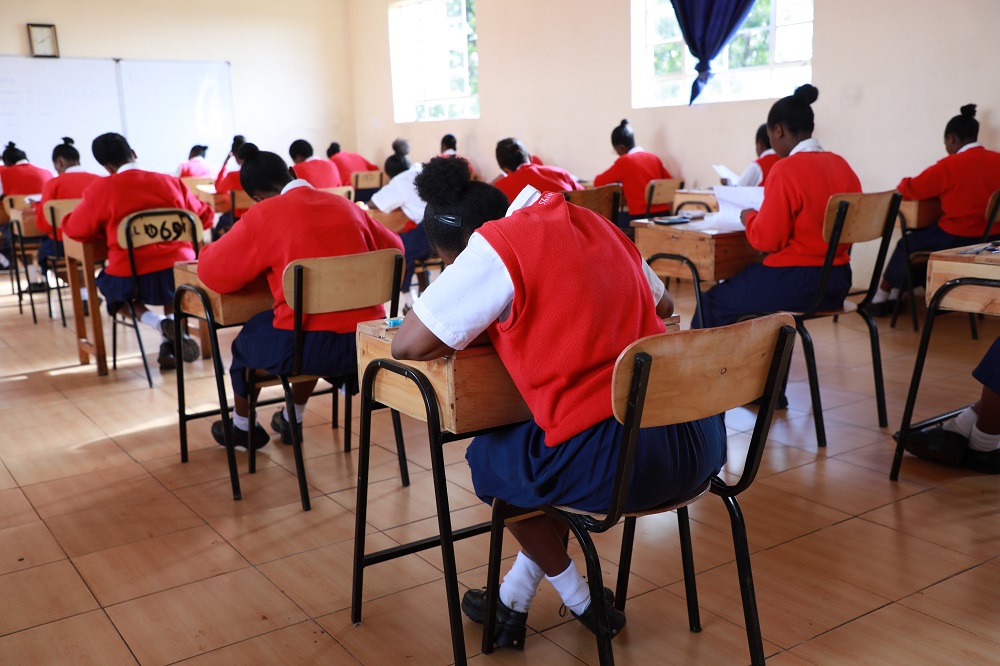
Kenya is preparing for a difficult final stretch of the school year, with the Education Ministry moving to shield learners and keep national examinations running as El Niño strengthens.
Education Cabinet Secretary Julius Migos Ogamba chaired a multi-agency preparedness meeting on Wednesday, September 16, bringing together ministry field officers, the Kenya National Examinations Council (KNEC), the Kenya Meteorological Department and the National Disaster Management Unit.
The focus was practical: what happens when heavy rain cuts off a school, floods an examination centre or makes a key road impassable?
The ministry says agencies are working on early-warning systems, emergency response and contingency arrangements to reduce disruptions to learning and examinations.

The plans also cover the protection of school buildings, equipment and other property that could be damaged by flooding or severe weather.
Exams face a different kind of weather test
The timing makes the preparations particularly important.
Kenya's third term runs into the period when the country normally experiences its October-December rains. The 2026 national examination and assessment cycle will therefore unfold as authorities prepare for potentially disruptive weather.
The Education Ministry has already said national assessments and examinations will proceed according to the KNEC timetable.
That means the challenge is not simply keeping classrooms open.
Authorities must also consider whether candidates, teachers, examiners, supervisors and examination materials can safely reach centres if roads are flooded or transport routes are disrupted.
The latest preparations build on talks Ogamba held with Kenya Red Cross Secretary-General Dr Ahmed Idris in August on emergency planning for schools.
“Through this collaboration, we are strengthening our ability to respond to emergencies, particularly in areas where flooding and other weather-related disasters could affect access to schools and examination centres,” Ogamba said, according to the ministry's reported preparedness plan.
Weather threat is becoming clearer
The weather outlook has also changed since some of the earlier forecasts cited in the preparations.
The World Meteorological Organisation said in its latest September update that El Niño is firmly established and expected to strengthen further. It put the likelihood of the phenomenon continuing through February 2027 at nearly 100 per cent.
For the Greater Horn of Africa, WMO said the October-December period is a critical rainfall season and that wetter-than-normal conditions are more likely in the final quarter of 2026.
The agency has also warned that a very strong El Niño can bring major shifts in rainfall and temperature patterns, increasing the risk of extreme weather.
But the forecast does not mean every part of Kenya will experience the same conditions.
Kenya's Meteorological Department provides seasonal and county-level forecasts because rainfall patterns can vary considerably from one region to another. Its forecasting system is designed to support planning in sectors including disaster management, transport and other public services.
Schools asked to prepare before the rains
For schools, the concern goes beyond flooded classrooms.
Heavy rainfall can damage roads and bridges, interrupt electricity and water supplies, affect access to schools and expose learners and staff to safety risks.
The ministry's approach therefore places emphasis on early action rather than waiting for an emergency to occur.
That includes identifying vulnerable areas, strengthening communication between education officials and emergency agencies and putting contingency measures in place before conditions deteriorate.
The government has also been tightening the wider examination calendar. In early September, the Education Ministry directed schools to avoid dedicated candidate prayer days, prize-giving ceremonies and thanksgiving events during the third term to minimise interruptions as schools prepare for the national assessments and examinations.
The 2026 KCSE and other national assessments will consequently take place against two pressures: the normal demands of the examination season and an increasingly uncertain weather environment.
For thousands of candidates, the immediate priority is straightforward — getting to the examination room safely and having the tests administered as scheduled.
For the ministry and emergency agencies, the bigger test will be whether the preparations made before the rains are enough to keep that process moving when extreme weather hits.
You may also like
Category: News
Related Video: Human Ladder Reaches Dangerous Heights as Climbers Keep Going
Related Explainer: Kiharu Technical College September Intake 2026: Courses, Skills and New Opportunities
About the Author
Maureen Onyango is a journalist passionate about storytelling, life coaching and spiritual lessons. She studied at the Kenya Institute of Management and enjoys telling stories that inform, inspire and empower communities.
 Facebook
 Twitter / X
 WhatsApp
 LinkedIn
 Telegram
 Reddit