
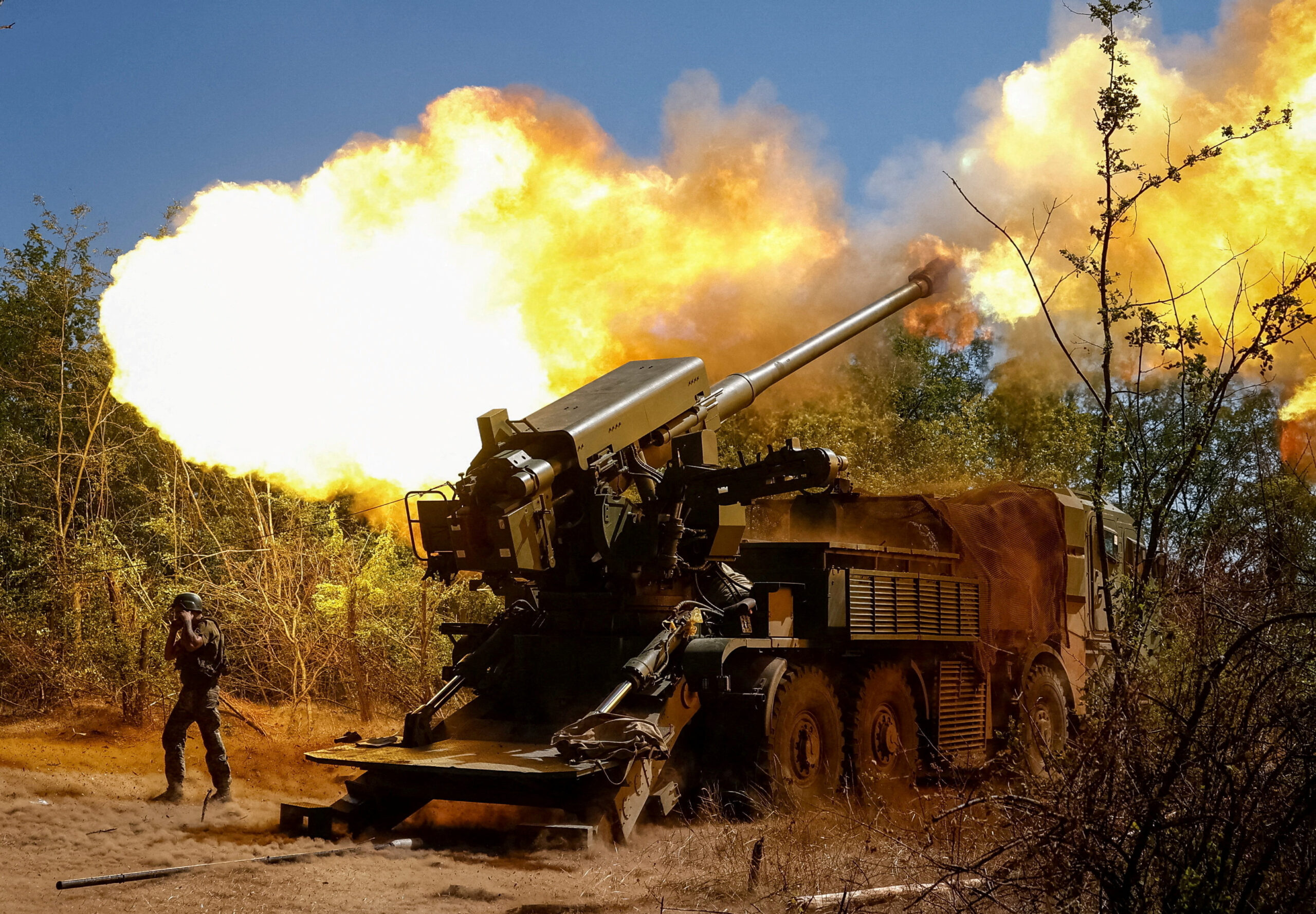
Repeated attacks on energy infrastructure in Ukraine and Russia are raising concerns about the long-term economic consequences of a war that has already disrupted global energy markets.
Ukraine has accused Russian forces of intensifying strikes against electricity generation and transmission facilities.
Russia has also reported Ukrainian attacks on energy-related infrastructure.
The two countries dispute responsibility for violations of proposed restrictions on such attacks.
But the wider implications extend beyond the battlefield.
Energy infrastructure is essential for civilian life, industrial production and international trade.
Why electricity systems are vulnerable
Modern electricity networks depend on interconnected power stations, substations and transmission lines.
Damage to a major facility can affect a much larger area than the immediate location of an attack.
Repairs may require specialised equipment that is difficult to replace quickly.
Even when power is restored, repeated attacks can weaken the resilience of the system.
Ukraine has experienced extensive damage to its energy infrastructure since Russia's full-scale invasion in 2022.
The approaching winter increases the importance of maintaining reliable electricity and heating.
The human cost of power shortages
Electricity supports hospitals, water treatment, telecommunications, public transport and household heating.
When supplies are interrupted, essential services may need to rely on backup generators.
Businesses can face reduced productivity and higher operating costs.
Households may struggle to maintain heating, refrigeration and communications.
The consequences are particularly serious for older people, patients requiring electrically powered medical equipment and communities with limited access to alternatives.
Could global energy prices rise?
The impact depends on which facilities are damaged and how much production or distribution capacity is lost.
Attacks affecting Russian petroleum refining or export infrastructure may influence international fuel markets.
However, crude oil and refined petroleum prices are also affected by global demand, inventories, shipping conditions and decisions by major producers.
Not every attack produces a sustained international price increase.
Markets may respond sharply to uncertainty before the actual supply consequences become clear.
Why Kenya should pay attention
Kenya imports petroleum products and is exposed to changes in international energy costs.
Higher import prices can increase pressure on transport, agriculture and manufacturing.
They can also affect the country's foreign exchange requirements.
But Kenya's domestic pump prices are determined through a regulated pricing framework.
Any effect from the Russia-Ukraine conflict would need to be assessed alongside other international and domestic factors.
Can diplomacy protect energy infrastructure?
Proposals to limit attacks on power and energy facilities could reduce civilian suffering.
But their effectiveness depends on clear terms, verification arrangements and compliance by the parties involved.
Disagreements over the scope of any ceasefire can undermine confidence.
Independent monitoring would help establish whether restrictions are being observed.
What happens in the coming months?
Ukraine's energy security will depend on repair capacity, international assistance and the intensity of future attacks.
Russia's energy infrastructure will also remain a focus of military and economic pressure.
The broader lesson is that modern conflicts can disrupt essential services and international markets without directly affecting the countries that ultimately bear some of the costs.
For energy-importing economies such as Kenya, the priority is building resilience through diversified supplies, efficient transport and reduced exposure to sudden price shocks.
You may also like
Category: International
Related Video: What Dangote’s proposed Lamu oil refinery could mean for East Africa
Related Explainer: Kenya G-to-G Oil Deal Explained: How It Works, Who Supplies the Fuel and Why It Is Controversial
 Facebook
 Twitter / X
 WhatsApp
 LinkedIn
 Telegram
 Reddit