
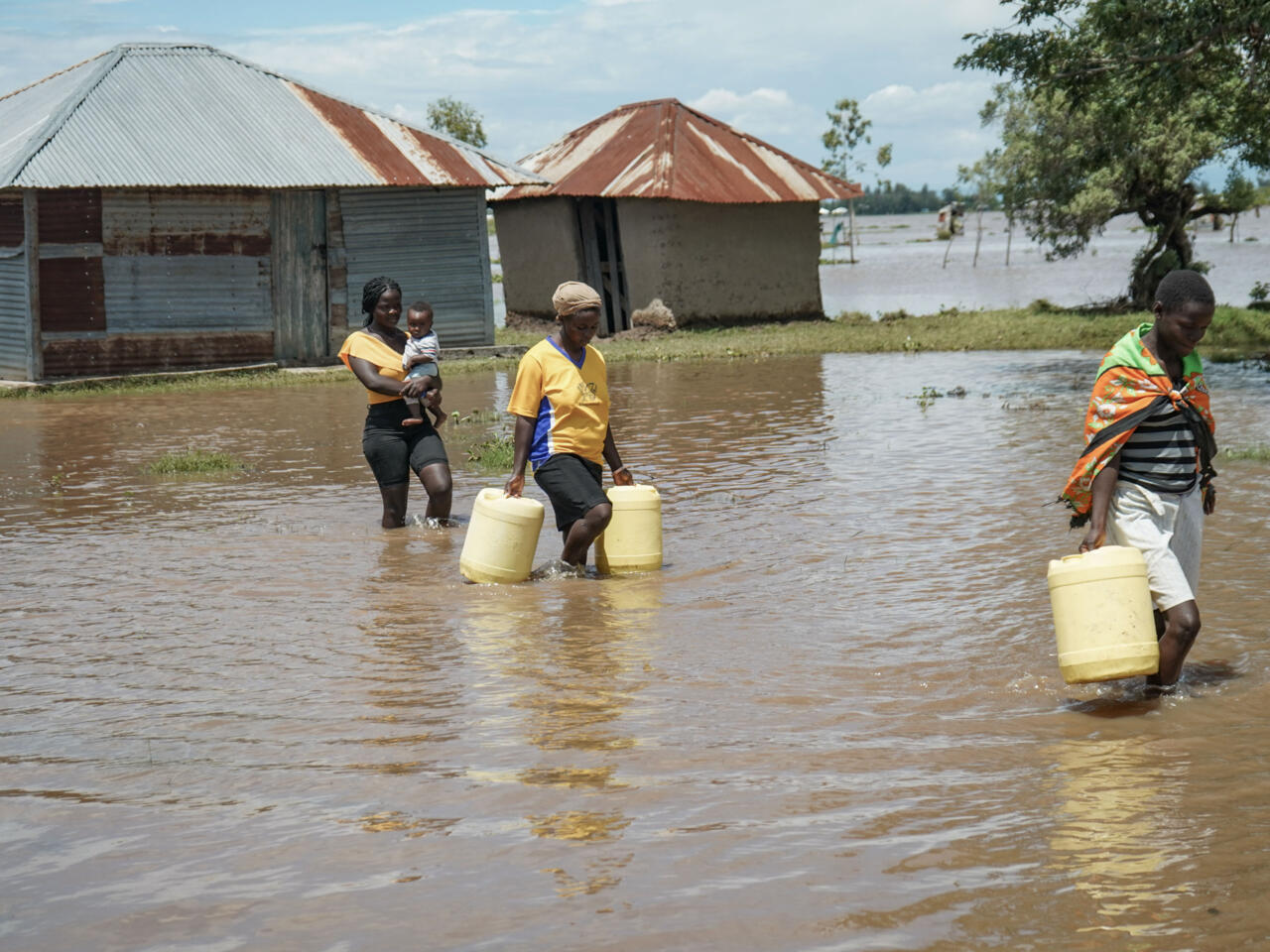
As Kenya prepares for potentially heavy October–December rains, households can take simple steps now to reduce the risk of injury, disease and property loss.
Kenyan families are being urged to prepare early for possible heavy rains and flooding expected during the October–December 2026 season.
The flood preparedness advisory provided by Universal Marketing Insurance Agencies (UMIA) recommends that households first understand their exposure to flooding, particularly if they live near rivers, streams, drainage channels, wetlands, dams or low-lying areas.
The advice is especially important because flooding can develop rapidly. The World Health Organization says flash floods can quickly overwhelm roads, rivers and drainage channels, while contaminated water can increase the risk of diseases such as cholera and typhoid.
El Niño: How to protect your family before, during and after floods
- Government sounds El Niño alarm, puts 18 counties on high alert
- El Niño rains: Kenya’s river communities face rising flood risk as October approaches
- Kenya Meteorological Department Chief Credits El Niño Signals for Intensified Long Rains
- Kenya Meteorological Department Clarifies Amidst Cyclone Rumors and Heavy Rains
Prepare before the rains
Families should agree on an emergency plan before flooding occurs. Everyone should know where to go, how to leave the home and where family members will meet if they become separated.
Keep an emergency bag in an accessible and elevated location. It should contain essentials such as drinking water, basic first-aid supplies, medicines, a torch, radio, power bank, important documents and other necessities.
Important documents, including identification papers, title deeds, insurance documents, medical records and school records, should be kept in waterproof containers. Digital copies should also be backed up securely.
Households should also monitor official weather and emergency alerts and avoid waiting until water is already rising before deciding what to do.
Make your home safer
Before heavy rains begin, clear gutters, drains, culverts and water channels around the home.
Move electronics, furniture, appliances and other valuables to higher locations if your home is in a flood-prone area.
If possible, identify areas where water could enter the house and use appropriate flood barriers or sandbags.
Families living near rivers, steep slopes or other high-risk areas should know their nearest safe evacuation route and avoid assuming that familiar roads will remain passable during heavy rainfall.
When flooding starts, don't take chances
The most important rule is simple: never walk, swim or drive through floodwater.
The WHO warns that floodwater can conceal open drains, holes, debris, electrical hazards and contaminated water. Even apparently shallow water can sweep people or vehicles away.
If authorities order an evacuation, leave immediately and take essential medicines and important documents in waterproof packaging.
Do not attempt to return home simply because the water appears to have gone down. Wait for official confirmation that it is safe.
If it is safe to do so before water reaches electrical systems, switch off electricity at the main breaker. Do not touch electrical switches or appliances while standing in water.
Protect your family's health after a flood
Flooding can contaminate water supplies. Until authorities confirm that your water is safe, use bottled, boiled or appropriately treated water for drinking, cooking and brushing your teeth. Do not use floodwater for these purposes.
Throw away food that has come into contact with floodwater. Flooding can also leave behind stagnant water that provides breeding grounds for mosquitoes, increasing the risk of vector-borne diseases.
Children should be kept away from contaminated mud and floodwater during cleanup. Anyone cleaning a flooded home should use appropriate protective clothing, including gloves and waterproof footwear.
Do not enter a damaged building until it has been declared safe. Electrical and gas systems should be checked by qualified professionals before they are used again.
The WHO also warns that flooding can have longer-term effects on mental health, particularly after displacement, loss of property or disruption to normal family life.
Prepare now, not when the water rises
Kenya's experience with recent flooding has shown how quickly roads can become impassable, homes can be submerged and access to essential services disrupted. WHO reported that flooding during Kenya's 2026 long-rains season had already caused deaths, displacement, infrastructure damage and disruption to health services by March.
The message for families is therefore straightforward: know your risk, prepare an emergency plan, protect important belongings, monitor official alerts and evacuate when instructed.
A few hours spent preparing before the rains could make the difference when the water starts rising.
Keywords: El Niño Kenya 2026, Kenya floods, flood preparedness, El Niño safety tips, flood safety Kenya, Kenya Meteorological Department, heavy rains Kenya, family flood preparedness, emergency preparedness, flood health risks
Meta description: Kenya faces possible heavy El Niño rains. Here are practical steps families can take before, during and after floods to protect lives and property.
Subscribe to our newsletter
Get the latest updates and stories from LiveNow Africa, delivered to your inbox.
Choose your news updates
Select the stories you care about and how often you want them delivered.You may also like
Category: Lifestyle
Related Video: Dolly Parton’s Family Announces Her Passing in Emotional Tribute
Related Explainer: Why the BCG Vaccine Leaves That Small Scar on Your Arm
 Facebook
 Twitter / X
 WhatsApp
 LinkedIn
 Telegram
 Reddit