
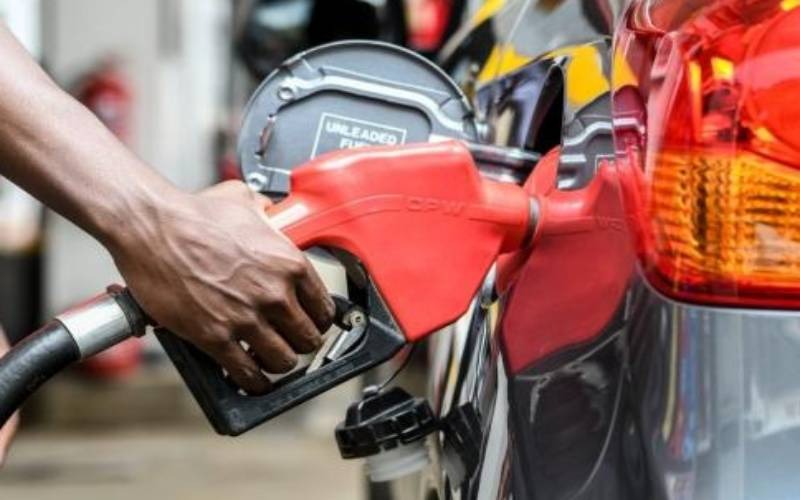
Kenya Fuel Prices October 2026: How Much More Will You Pay to Fill Your Tank?
Kenyan motorists are paying substantially more for fuel following the latest price review by the Energy and Petroleum Regulatory Authority (EPRA), adding pressure to household budgets and business operating costs.
The new maximum retail prices took effect on October 15 and will remain applicable until November 14, 2026.
In Nairobi, super petrol now costs Sh226.96 per litre, diesel Sh227.76 and kerosene Sh219.87.
Compared with the previous pricing cycle, petrol has increased by Sh12.93 per litre, diesel by Sh9.90 and kerosene by Sh28.49.
The changes are particularly significant because fuel is used throughout Kenya's transport, manufacturing and agricultural supply chains.
How much more does a full tank cost?
For a motorist purchasing 40 litres of petrol, the latest increase adds Sh517.20 to the cost of filling the tank.
A 50-litre purchase now costs Sh646.50 more than it did before the review.
For a motorist buying 100 litres of petrol over a month, the additional expense is Sh1,293.
Diesel users face similar pressures.
A commercial vehicle purchasing 100 litres of diesel will pay Sh990 more than under the previous price schedule.
A transport business consuming 1,000 litres during the pricing cycle would face an additional Sh9,900 in diesel costs, assuming the same consumption and purchase location.
These examples measure the direct increase in fuel spending. They do not account for changes in driving behaviour, fuel efficiency or other operating expenses.
Why are fuel prices rising?
Kenya relies heavily on imported petroleum products.
Changes in international refined-fuel prices therefore influence the costs faced by local oil marketers.
The October review comes amid conflict and instability in the Middle East, which has increased uncertainty over energy supplies and transportation.
Shipping costs, insurance premiums and foreign exchange movements can also affect import expenses.
However, international crude oil prices are only one part of the calculation.
EPRA's regulated pump prices also reflect applicable taxes, distribution costs and other pricing components.
Which towns have the highest prices?
Fuel prices differ across Kenya because transportation and distribution costs vary by location.
Under EPRA's current schedule, petrol costs Sh223.81 in Mombasa, Sh225.73 in Nakuru and Sh226.51 in Kisumu.
In Nairobi, petrol is Sh226.96.
Consumers in more remote locations can face considerably higher prices because of distribution costs.
EPRA publishes a town-by-town schedule, allowing motorists to check the applicable maximum price where they live.
Will matatu fares and food prices increase?
Higher diesel prices can increase the operating costs of buses, trucks and other commercial vehicles.
Transport operators may seek to recover those costs through fare adjustments.
Food producers and traders can also face higher transport expenses when moving goods to markets.
But an increase in pump prices does not automatically establish that every matatu fare or food price will rise.
The eventual effect depends on competition, fuel consumption and decisions made by individual businesses.
Why kerosene matters
Kerosene recorded the largest percentage increase among the three regulated products.
The new price puts additional pressure on households that use the fuel for cooking or lighting.
A household buying 10 litres during the pricing cycle will spend Sh284.90 more than before.
The figures show why fuel pricing is not only a motoring issue.
For many Kenyans, it is directly connected to the cost of running a household, travelling to work and buying essential goods.
You may also like
Category: Business
Related Video: What Dangote’s proposed Lamu oil refinery could mean for East Africa
Related Explainer: Explainer: Why Kenya is moving hospitals to HMIS and what it means for SHA patients
 Facebook
 Twitter / X
 WhatsApp
 LinkedIn
 Telegram
 Reddit