
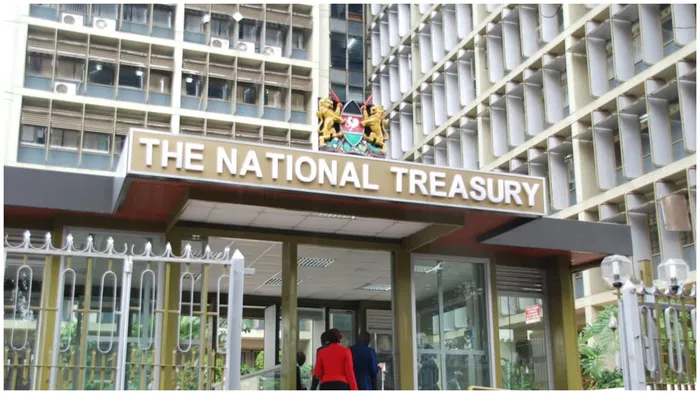
Kenya’s fuel-price cushion could be extended beyond October, with Treasury considering a further reduction in the tax burden or new subsidies if global oil prices remain volatile.
Treasury Cabinet Secretary John Mbadi said the government is weighing its options as it faces a difficult choice: protect households and businesses from another fuel-price shock, or preserve tax revenue at a time when the Exchequer is under pressure.
Mbadi spoke on Tuesday, August 11, just days before the Energy and Petroleum Regulatory Authority (EPRA) is due to announce the next pump-price review.
The bigger deadline, however, is October 14.

That is when the current 8 per cent VAT rate on petroleum products is scheduled to expire. The reduced rate was extended in July for three months as the government sought to shield consumers from the effects of turbulence in international oil markets.
Mbadi said Treasury had not yet made a final decision on whether to extend the relief again.
“You know the situation in the Middle East is quite unpredictable, and I do not want to talk about it with authority. We will monitor the situation as it unfolds,” he said.
The choice facing Treasury
The debate goes beyond the price motorists see at the pump.
Fuel is a major input for transport, manufacturing, agriculture and the movement of food. A sharp increase in pump prices can therefore spread through the economy, raising the cost of goods and services.
But keeping taxes low also comes at a cost to government revenue.
Mbadi acknowledged the tension between the two priorities, saying Treasury must consider whether collecting more VAT would ultimately cause greater economic damage through higher inflation.
“As much as we are looking for tax revenue in terms of VAT, we must understand that if it is causing inflation, then it is going to have more harm on the economy. So we are balancing the two,” he said.
Treasury is also examining whether additional funding can be found for a fuel subsidy if international prices worsen.
That would give the government another way of absorbing part of the increase rather than passing the entire cost on to consumers.
What Kenyans are paying now
The government has already used both tax relief and the Petroleum Development Levy to keep pump prices from rising sharply.
In July, Energy and Petroleum Cabinet Secretary Opiyo Wandayi announced that the 8 per cent VAT rate would remain in place until October 14. The government also committed Sh945 million from the Petroleum Development Levy to support pump prices during the July-August cycle.
The measures followed renewed uncertainty in global oil markets linked to tensions in the Middle East.
The Government-to-Government fuel import arrangement has also been cited by the government as helping maintain supplies despite disruptions affecting international shipping routes. Kenya News Agency reported that the government said fuel stocks remained adequate across the country.
For consumers, the next major test comes with the forthcoming EPRA review.
Why the next EPRA decision matters
The August-September review will provide an early indication of how much of the international oil-price pressure is reaching the Kenyan market.
The Central Bank recently reported a sharp fall in global oil prices during the week ending August 6, potentially offering some relief ahead of the review.
That does not guarantee cheaper fuel at Kenyan stations.
EPRA's monthly calculations take several factors into account, including international petroleum prices, the exchange rate and applicable taxes and levies. The impact of earlier price movements can therefore continue to filter through even when global prices begin to ease.
A subsidy is not a free solution
While cheaper fuel would offer immediate relief, subsidies also raise questions about how long the government can afford to maintain them.
A prolonged subsidy would require public funds that could otherwise support other government priorities. A prolonged reduction in VAT would similarly mean foregoing revenue.
The government therefore faces a delicate balancing act.
Keep fuel prices high and households, transport operators and businesses absorb the shock.
Spend more to hold prices down and Treasury takes on a larger bill.
Mbadi's comments suggest the government is preparing for both possibilities rather than committing itself to another extension before it knows how the international market develops.
For now, motorists and businesses will be watching the next EPRA announcement. But the bigger question may come in October, when the current VAT relief reaches its deadline.
If oil-market pressures persist, the government could once again be forced to choose between protecting consumers and protecting the Treasury's revenues.
You may also like
Category: News
Related Video: What Dangote’s proposed Lamu oil refinery could mean for East Africa
Related Explainer: Kenya G-to-G Oil Deal Explained: How It Works, Who Supplies the Fuel and Why It Is Controversial
About the Author
Maureen Onyango is a journalist passionate about storytelling, life coaching and spiritual lessons. She studied at the Kenya Institute of Management and enjoys telling stories that inform, inspire and empower communities.
 Facebook
 Twitter / X
 WhatsApp
 LinkedIn
 Telegram
 Reddit