
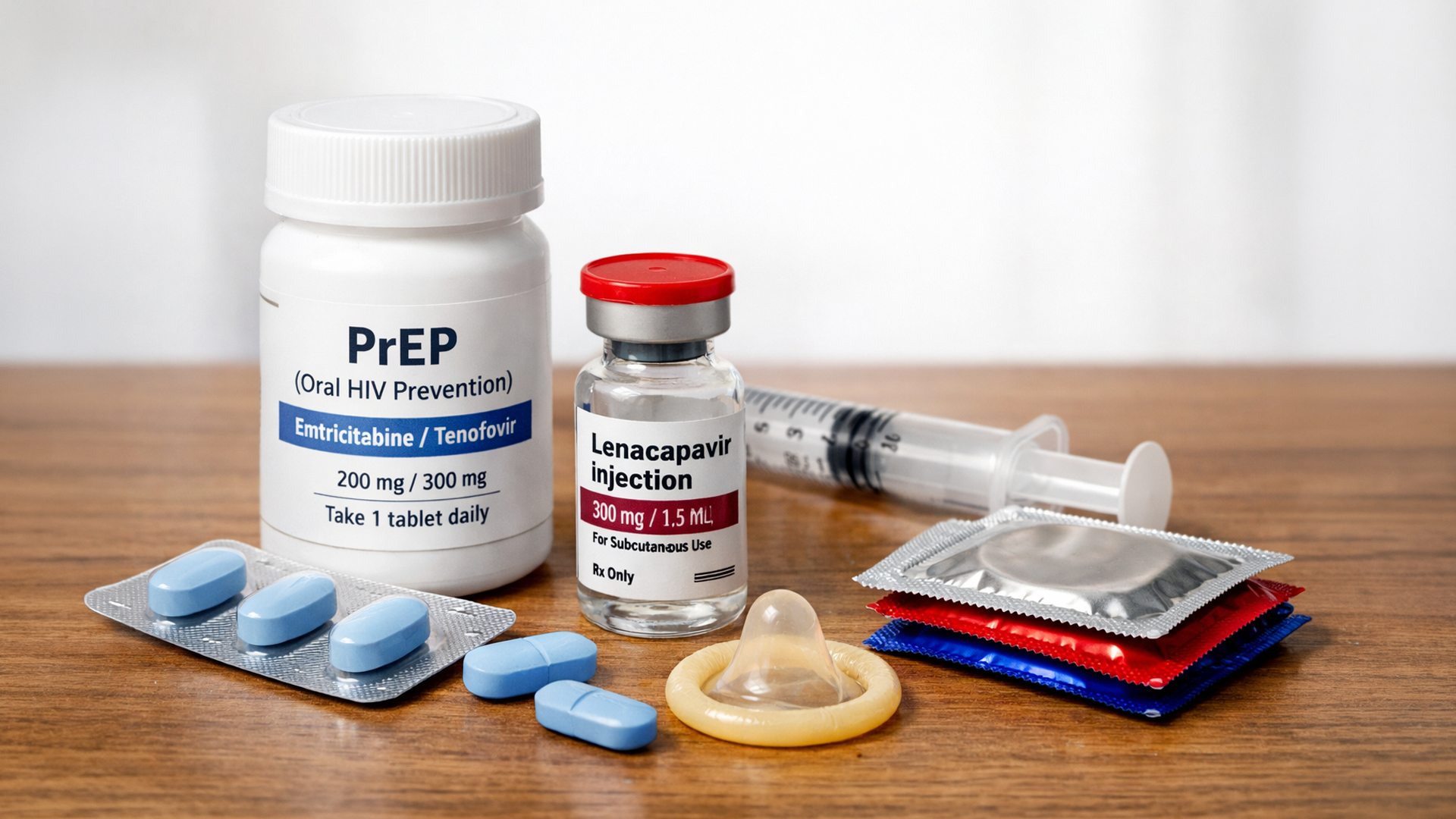
Kenya could become one of the countries manufacturing a new once-a-month HIV prevention pill if ongoing clinical trials confirm that the medicine is safe and effective, potentially adding another major weapon to the country's fight against new infections.
The experimental drug, known as MK-8527, is being tested as pre-exposure prophylaxis, or PrEP, for people who do not have HIV but face a higher risk of acquiring it.
Unlike conventional oral PrEP, which normally requires regular daily dosing, MK-8527 is designed to be taken only once every month.
That difference may sound small, but it could prove important.

One of the persistent challenges with HIV prevention medicines is adherence. A drug can be highly effective, but its protection is compromised if people struggle to take it consistently.
A monthly pill could therefore offer another option for people who want longer-lasting protection without receiving an injection.
Kenya's Pharmacy and Poisons Board records show that MK-8527 is being evaluated in a Phase 3 randomised clinical study comparing it with the established daily combination of emtricitabine and tenofovir disoproxil fumarate.
The global study is expected to involve about 4,390 participants. At least 80 are expected to be enrolled through one Kenyan research site, according to the regulatory record.
Kenya is also participating in a separate study involving young women. The Ministry of Health said the EXPrESSIVE-10 trial is studying the once-monthly medicine among women aged 16 to 30 in Kenya, Uganda and South Africa.
The important caveat is that MK-8527 remains experimental.
It has not yet been established through the ongoing Phase 3 trials that it should replace existing HIV prevention options. Final regulatory approval would depend on evidence on effectiveness and safety.
But Kenya is entering this next stage from a position of growing experience with long-acting HIV prevention.
Earlier this year, the country launched lenacapavir for HIV prevention. Unlike MK-8527, lenacapavir is an injection administered twice a year.
The Ministry of Health received an initial 21,000 starter doses in February and planned a phased rollout beginning in 15 high-burden counties.
That means the HIV prevention menu is becoming increasingly diverse.
WHO currently recommends oral tenofovir-based PrEP, the dapivirine vaginal ring and long-acting injectable options including cabotegravir and lenacapavir.
The need remains substantial.
WHO's Kenya annual report says roughly 1.4 million people are living with HIV in the country. Kenya has made major progress in diagnosis and treatment, but new infections have not disappeared, with young people and women remaining disproportionately affected.
That makes convenience increasingly important.
The future of HIV prevention may not involve one medicine replacing all others. Instead, people could eventually choose between a daily pill, a monthly pill, a vaginal ring or an injection lasting several months.
Manufacturing is the other important part of the Kenyan story.
Local production could potentially reduce dependence on imported medicines and strengthen security of supply, although price, licensing arrangements, manufacturing capacity and regulatory approval will determine whether those ambitions translate into affordable medicine.
For now, MK-8527 should not be confused with an approved monthly HIV prevention pill already available in pharmacies.
It remains in clinical trials.
But if those trials succeed, Kenya could find itself not merely consuming the next generation of HIV prevention medicine, but helping manufacture it.
You may also like
Category: Health
Related Video: Human Ladder Reaches Dangerous Heights as Climbers Keep Going
Related Explainer: Kiharu Technical College September Intake 2026: Courses, Skills and New Opportunities
 Facebook
 Twitter / X
 WhatsApp
 LinkedIn
 Telegram
 Reddit