
Healthcare providers have until Wednesday night to secure new contracts with the Social Health Authority (SHA) or risk losing the ability to serve SHA beneficiaries under the scheme.
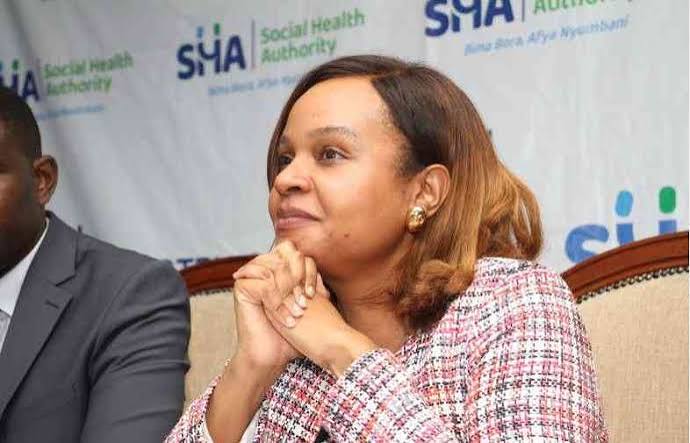
SHA CEO Mercy Mwangangi said existing provider contracts will expire at 11:59pm on September 30, 2026.
Facilities that have not completed and executed the new agreements for the 2026–2029 contracting cycle will not be allowed to continue offering SHA-funded services from October 1.
Their access to the SHA provider portal will also be switched off.

The directive puts the focus not only on hospitals racing to complete paperwork, but also on patients who may be in the middle of treatment when the new contracts take effect.
SHA has told facilities that do not secure new contracts to make arrangements for patients already receiving care to be transferred to contracted providers.
The authority says this is intended to prevent interruptions to treatment.
What changes on October 1?
The new contracting cycle, known as HAKIKA, runs from October 1, 2026, to June 30, 2029.
It covers services funded through four SHA funds: the Social Health Insurance Fund (SHIF), Primary Health Care Fund (PHCF), Emergency, Chronic and Critical Illness Fund (ECCIF), and Public Officers Medical Scheme Fund (POMSF).
The Ministry of Health launched the HAKIKA framework on September 18 together with an electronic contracting platform.
The platform allows facilities to apply for contracts, submit supporting documents, verify licences, complete agreements electronically and monitor the progress of their applications.
Health Cabinet Secretary Aden Duale has urged facilities not to wait until the final days to complete the process.
The Ministry says HAKIKA was developed after providers raised concerns during the first contracting cycle over issues including tariffs, claims processing, delayed payments, pre-authorisation, system reliability and empanelment.
The new framework is intended to set out clearer terms on benefits, reimbursement, quality standards and how disputes between SHA and providers will be handled.
Hospitals have raised concerns
The transition has not been without friction.
Private and faith-based hospital associations asked SHA for more time to examine the proposed contracts before signing them.
The associations said the initial consultation period was too short for facilities to properly understand the new obligations.
SHA subsequently extended the deadline for submitting comments from September 10 to September 17.
One of the biggest areas of disagreement concerns claims payments and deductions.
Healthcare providers have questioned provisions that make SHA's obligation to settle claims subject to the availability of funds and parliamentary appropriation.
The hospitals have also raised concerns about deductions and what happens when payment is delayed.
These concerns matter because hospitals must continue paying staff, suppliers and other operating costs while waiting for reimbursement.
SHA, however, has maintained that the new framework is designed to improve accountability and protect public health funds.
At the HAKIKA launch, Duale called for clean claims to be paid on time and rejected claims to be accompanied by clear explanations. He also called for tariff and benefit schedules to be properly reflected in the digital system.
Patients are caught in the middle
For patients, the most immediate issue is not the wording of the contract but whether they can continue receiving care without disruption.
This is particularly important for people undergoing long-term treatment, including patients requiring repeated hospital visits, specialist care or emergency services.
SHA's latest notice makes clear that facilities without executed contracts cannot continue serving SHA beneficiaries under the authority after September 30.
The authority has therefore asked facilities that have not completed the process to plan transfers for patients already under their care.
The directive does not mean SHA beneficiaries will lose their cover. Rather, it determines which facilities can provide services under the new contracting cycle.
The Ministry faced a similar continuity challenge when SHA was rolled out in 2024 and directed contracted facilities to maintain essential services during the transition.
A new digital system, but old questions remain
The electronic contracting system is one of the biggest changes in the new cycle.
SHA says it should make the process easier to track by allowing facilities to see the status of applications and contracts online.
It also creates a digital record of licensing, service details, banking information and tariffs.
But technology alone will not settle the broader dispute between the authority and providers.
Hospitals still want clarity on how quickly claims will be paid, how deductions will be handled and what protections apply when SHA payments are delayed.
Those questions will be important as the new contracts move from paper to practice.
For now, SHA's message is clear: September 30 marks the end of the current contracts, and an executed HAKIKA agreement is required for facilities that want to continue serving SHA beneficiaries from October 1.
For patients already receiving care, the practical question is equally important — whether their hospital remains contracted when the new cycle begins.
You may also like
Category: Health · Related Topic: Social Health Authority (SHA)
Related Explainer: Kiharu Technical College September Intake 2026: Courses, Skills and New Opportunities
About the Author
Maureen Onyango is a journalist passionate about storytelling, life coaching and spiritual lessons. She studied at the Kenya Institute of Management and enjoys telling stories that inform, inspire and empower communities.
 Facebook
 Twitter / X
 WhatsApp
 LinkedIn
 Telegram
 Reddit