

Christa Pike, the only woman on Tennessee’s death row, is due to be executed this week for the brutal murder of a teenage woman more than three decades ago, as her lawyers make a final attempt to persuade the state to spare her life.
Pike, 50, is scheduled to die by lethal injection at 10:00am local time on Wednesday, September 30, at Riverbend Maximum Security Institution in Nashville.
If the execution goes ahead, she will become the first woman executed by Tennessee in more than 200 years.


The case has returned to international attention because Pike was just 18 when she committed the murder, while her lawyers argue that jurors who sentenced her to death were not given a complete picture of the severe abuse, sexual violence and mental health problems she had experienced.
None of that changes the brutality of the crime for which she was convicted.
In January 1995, Pike and her then-boyfriend Tadaryl Shipp attacked 19-year-old Colleen Slemmer, whom they knew from a Job Corps training centre in Knoxville.
Prosecutors said Pike believed Slemmer was trying to take her boyfriend.
Slemmer was lured to an isolated area, where she was beaten and tortured before being killed. A pentagram was carved into her chest.
Witnesses later testified that Pike bragged about the killing and showed others a piece of Slemmer's skull.
She was convicted of first-degree murder and sentenced to death in March 1996.
Shipp, who was 17 at the time of the crime, received a life sentence with the possibility of parole.
Thirty-one years later, Pike's legal options have narrowed dramatically.
Her lawyers have submitted a 226-page clemency petition to Tennessee Governor Bill Lee asking him to commute her death sentence to life imprisonment without the possibility of parole.
Their argument is not that Pike is innocent.
Instead, they say the teenager who committed the murder in 1995 had been shaped by an exceptionally traumatic childhood and that the jury did not hear the full extent of that history before deciding she should die.
The defence says Pike suffered neglect, physical abuse and repeated sexual violence beginning when she was very young.
A forensic psychologist hired by her original defence team found that Pike had been severely neglected by her parents and sexually abused by several men during childhood.
Her lawyers say she was raped multiple times, including as a child, and that much of the evidence about those experiences was never fully presented to the jury.
Sandra Babcock, a Cornell Law School professor who has worked on Pike's defence, has questioned why more of that history was not presented during her trial.
The clemency campaign has also focused on Pike's age at the time of the murder.
She had turned 18 less than a year earlier.
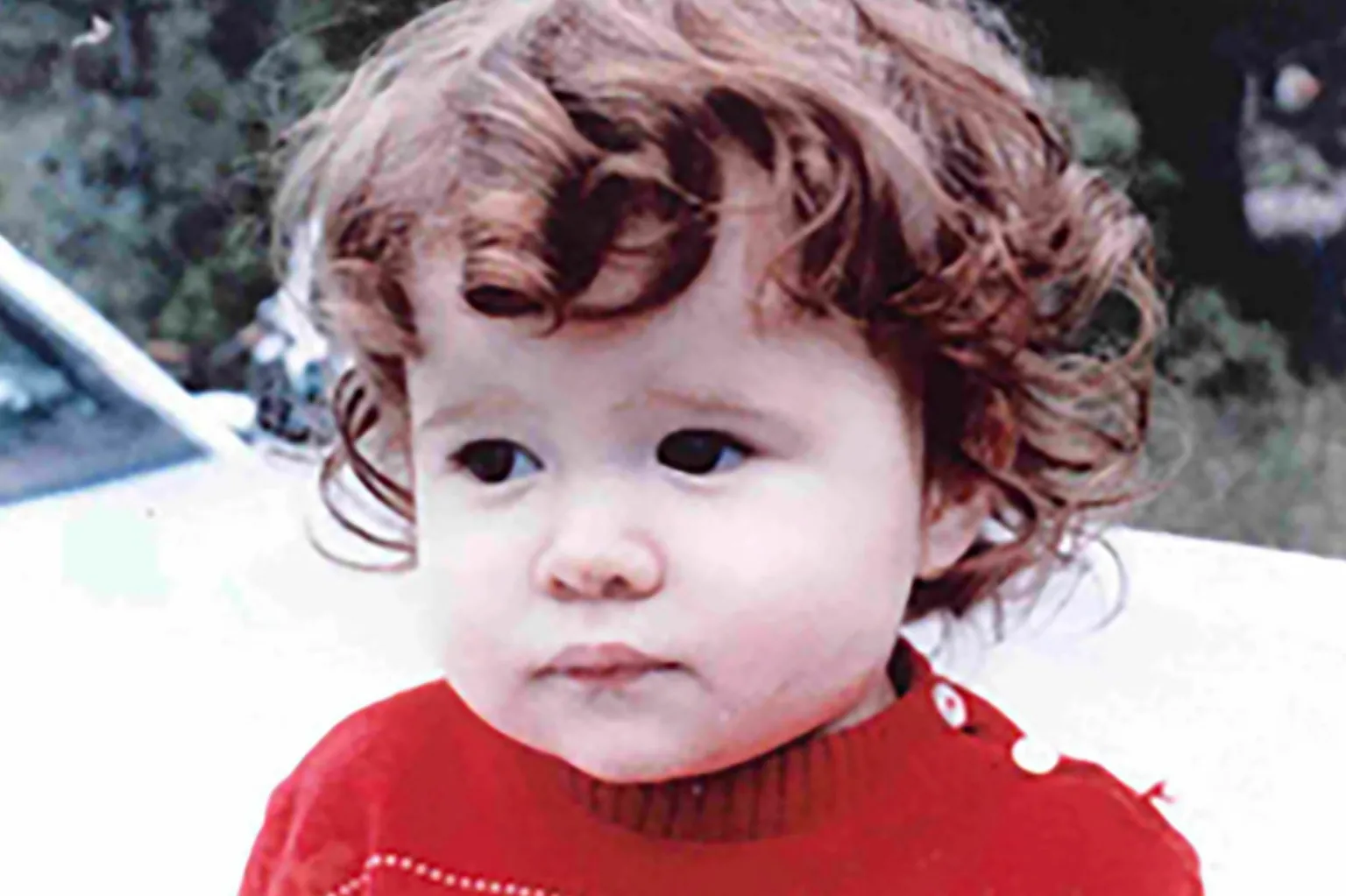
US Supreme Court precedent now prevents the execution of people who were under 18 when they committed their crimes. That protection does not legally apply to Pike because she was 18.
Her lawyers nevertheless argue that modern understanding of adolescent brain development, combined with her traumatic upbringing and mental health history, should weigh against carrying out the death sentence.
Pike was diagnosed with bipolar disorder while in prison in 2021 and has received medication.
Another forensic psychologist who assessed her in 2023 said Pike's childhood was marked by repeated physical, sexual and emotional abuse by people who should have protected her.
But courts have previously rejected attempts to overturn her sentence.
A federal appeals court found that the jury had heard evidence about Pike's difficult childhood through testimony from members of her family. It also concluded that later evidence concerning bipolar disorder, post-traumatic stress disorder and brain damage largely repeated mitigating information that had already been presented and would not have changed the outcome.
That leaves Governor Lee's power of executive clemency as one of the final avenues for stopping Wednesday's execution.
The case has also drawn intervention from United Nations human rights experts, who have called on US and Tennessee authorities to halt the execution and commute Pike's sentence.
They have raised concerns about her age at the time of the crime, her history of abuse and mental health conditions, as well as the use of the death penalty more broadly.
But Slemmer's family has lived with the consequences of the murder for more than three decades.
Her mother has said she wants the execution to proceed so that her daughter can finally rest.
That perspective remains central to the case.
The clemency debate is not about whether a horrific crime occurred or whether Pike committed it. A jury resolved those questions three decades ago.
The question now before Tennessee is whether the punishment imposed in 1996 should still be carried out in 2026.
Pike's case is also unusual because women account for only a tiny proportion of executions in the United States.
Tennessee currently has 40 prisoners on death row. Pike is the only woman.
Her execution would therefore become a rare event in the modern history of the US death penalty and an unprecedented one in Tennessee's recent history.
For Pike, time is now measured in days.
She has reportedly told people close to her that she does not want them to witness her execution because she does not want them to experience it.
For Slemmer's family, however, those final days come after more than 31 years of waiting for the sentence imposed for their daughter's murder to be carried out.
Unless a court intervenes or Governor Lee grants clemency, Tennessee will execute Christa Pike on Wednesday morning.
The state would be carrying out a sentence imposed when she was a teenager, for one of the most notorious murders in Tennessee's recent history — and ending a case that continues to raise difficult questions about punishment, youth, trauma and whether a person responsible for an appalling crime can also have been a victim herself.
You may also like
Category: International
Related Video: Dolly Parton’s Family Announces Her Passing in Emotional Tribute
Related Explainer: Explainer: What happened to milk in Kenya?
 Facebook
 Twitter / X
 WhatsApp
 LinkedIn
 Telegram
 Reddit