
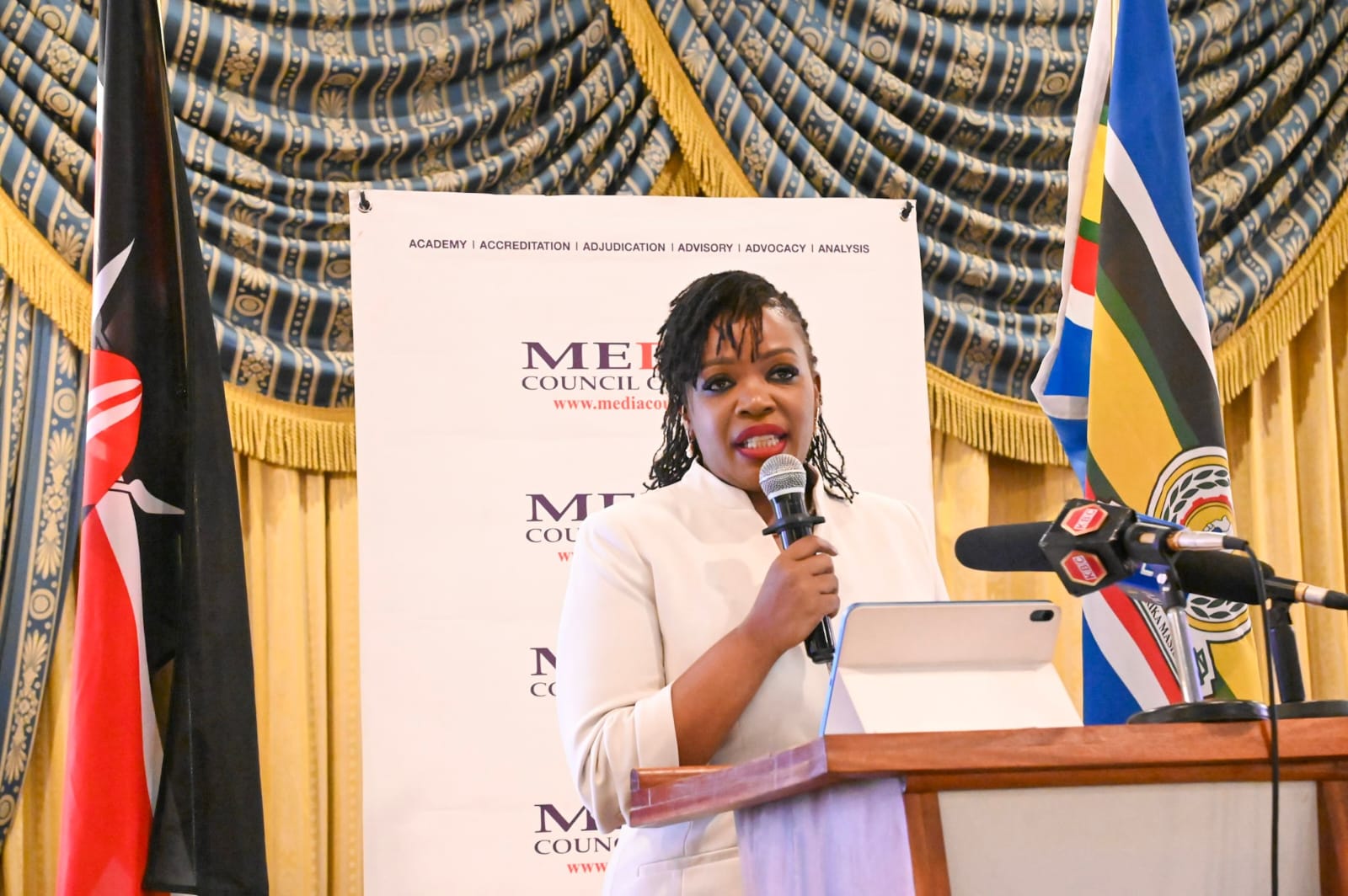
Kenya is marking the International Day for Universal Access to Information with a renewed push for public institutions to release credible information faster, as concern grows that official information gaps could fuel misinformation and disinformation ahead of the 2027 General Election.
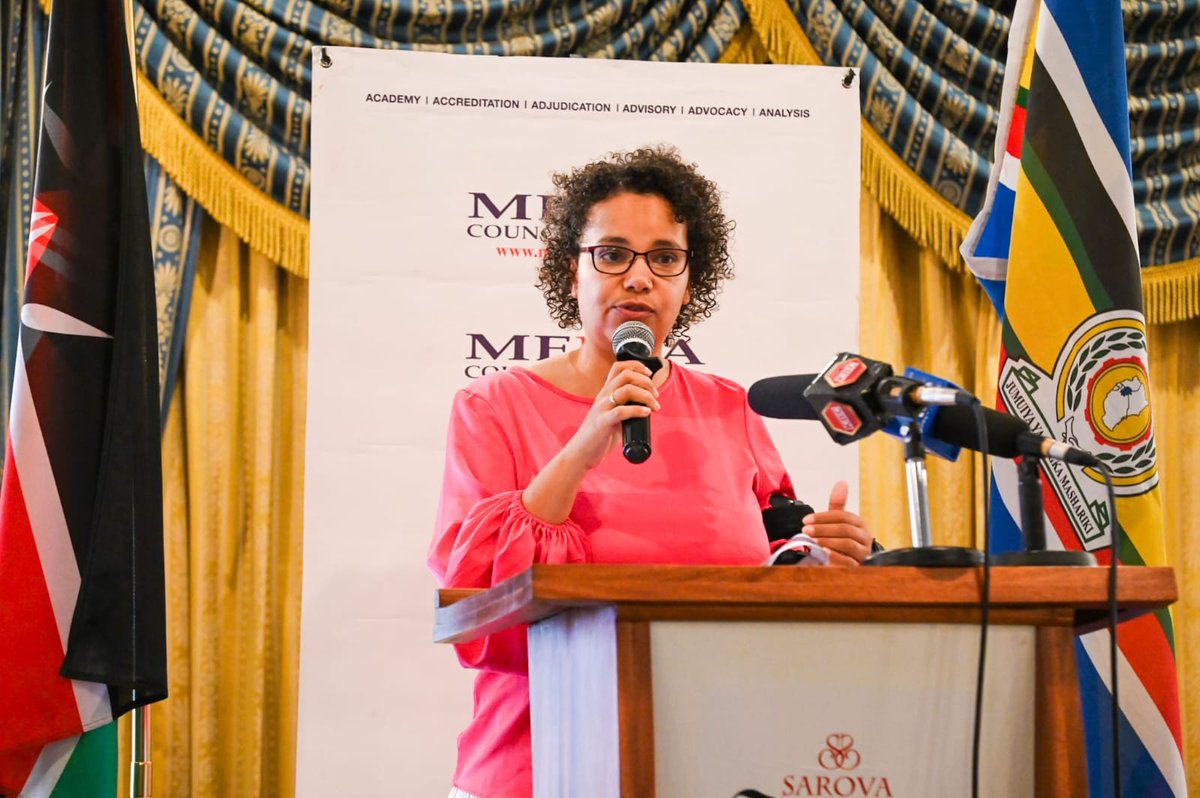
The national commemoration in Nairobi on Monday brings together the Commission on Administrative Justice, the Media Council of Kenya, journalists, political institutions and civil society to examine the relationship between access to reliable information and the growing problem of information disorder.
This year's global theme is “Upholding Information Integrity in the Digital Age: The role of access to information in addressing information disorder.”
The Nairobi event gives the theme a particular electoral focus, examining how access to credible information can help address misinformation and disinformation during elections.

Speakers include Commission on Administrative Justice Chairperson Charles Dulo, Media Council of Kenya Chairperson Maina Muiruri, MCK Chief Executive David Omwoyo, Kenya Editors Guild President Zubeidah Kananu, Registrar of Political Parties John Cox Lorionokou, Katiba Institute Executive Director Nora Mbagathi and Kenya Union of Journalists Secretary General Eric Oduor.
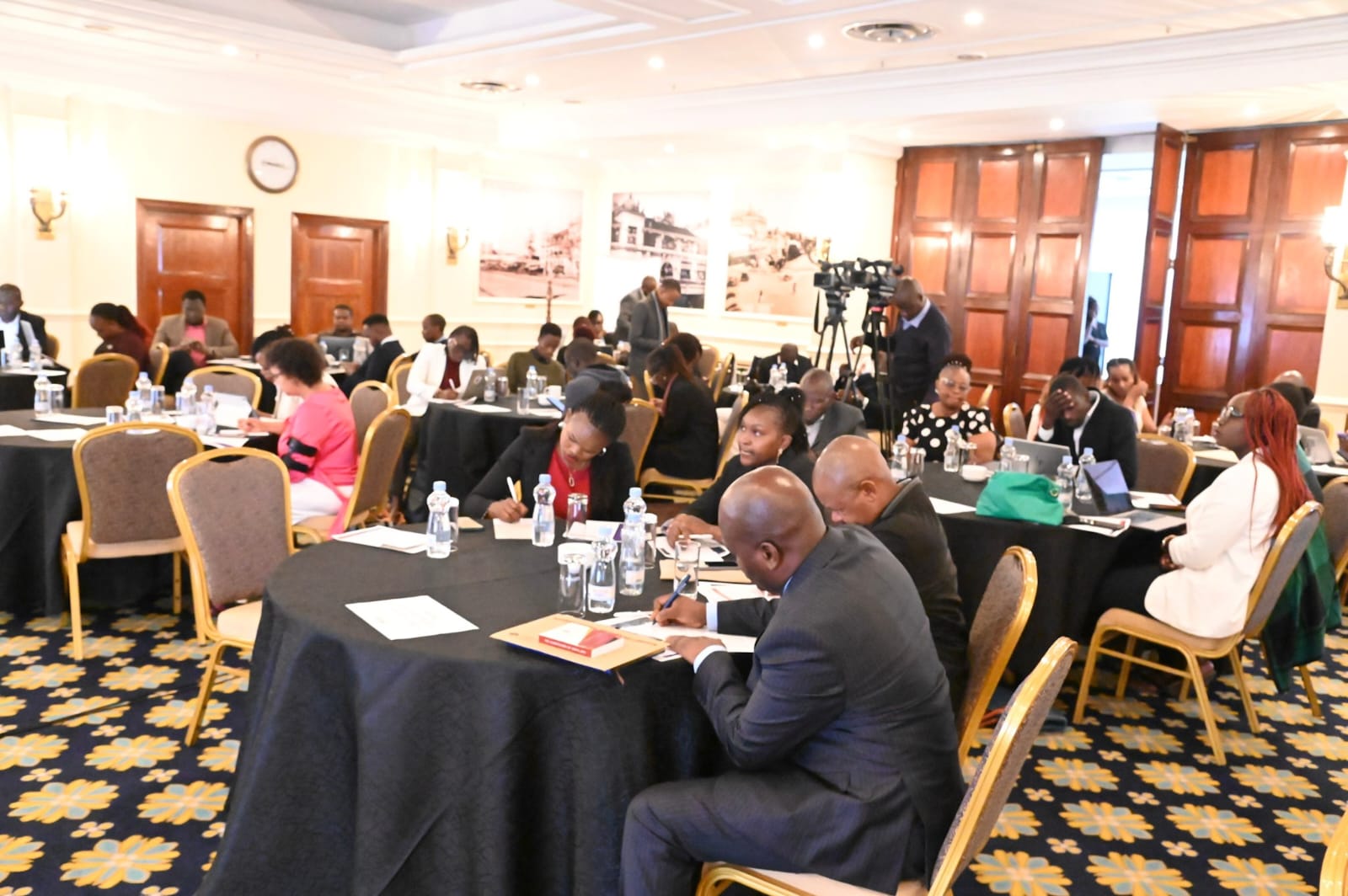
The gathering comes as Kenya approaches a potentially difficult information environment surrounding the August 2027 General Election.
Artificial intelligence, social media, anonymous accounts and private messaging platforms have dramatically increased the speed at which information can be created and distributed.
The challenge is no longer simply whether citizens can access information.
It is whether they can identify information that is timely, authoritative and trustworthy among enormous volumes of misleading, manipulated or deliberately false content.
Globally, the United Nations and UNESCO are using this year's commemoration to emphasise that access alone is no longer enough.
Reliable official information, proactive disclosure, credible data, digital technology and media and information literacy are increasingly viewed as interconnected defences against information disorder.
Kenya has constitutional and statutory protections for access to information.
Article 35 of the Constitution gives citizens the right to information held by the State and, under specified circumstances, information held by another person where it is required for the exercise or protection of a right or fundamental freedom.
The Access to Information Act, enacted in 2016, provides the legal framework for implementing that right.
But nearly a decade later, implementation remains uneven.
The Commission on Administrative Justice, which oversees enforcement of the Access to Information Act, has previously identified progress in public disclosure alongside persistent institutional challenges.
The Ombudsman is also undertaking Kenya's first national survey specifically examining access to information, intended to establish how effectively public institutions are complying with their obligations.
The commission has increasingly intervened in disputes where citizens say public institutions have refused or delayed releasing information.
Recent cases have ranged from education records to questions surrounding a proposed nuclear power project in Siaya.
That enforcement role is becoming increasingly significant as access to official records intersects with major questions about public spending, infrastructure, elections and government accountability.
Ahead of Monday's commemoration, the government pledged to move towards proactive disclosure, where important public information is released before citizens have to request it.
Broadcasting and Telecommunications Principal Secretary Stephen Isaboke said the country had established a strong legal and policy framework and now needed to focus more heavily on implementation.
The government recently approved an Access to Information Policy, while public institutions are being encouraged to improve digitisation of records and coordinated communication.
The principle behind proactive disclosure is straightforward.
If a government agency knows citizens will need certain information, they should not necessarily have to file individual requests before receiving it.
That could become particularly important during the 2027 election.
Voters will need authoritative information about registration, polling stations, candidates, political parties, voting procedures, election technology, turnout and results.
Delays in providing such information create space for misleading claims to spread.
Kenya Editors Guild President Zubeidah Kananu told the Nairobi commemoration that public information should not be treated as a favour from government.
She described the difficulties journalists frequently encounter when seeking even relatively straightforward information from public institutions.
“You ask a public institution a fairly straightforward question. You send an email. You write a letter. You make a phone call. You follow up. You are referred to another office,” Kananu said.
“Sometimes you are told the information is confidential. Sometimes nobody responds at all.”
She said the consequences now extend beyond frustrating journalists or citizens.
“When credible information is missing, delayed or difficult to access, we create an information vacuum,” Kananu said.
“And in today's digital world, an information vacuum does not remain empty for long.”
The vacuum can quickly be occupied by rumours, screenshots, TikTok videos, WhatsApp forwards and anonymous social media posts.
The concern is particularly relevant to elections because false information can spread within minutes while official institutions may take hours or days to respond.
“If the institution holding the correct information takes hours or days to respond, misinformation will not wait,” Kananu said.
“You cannot fight misinformation by withholding information.”
Media Council of Kenya Chief Executive David Omwoyo has similarly argued that simply providing more information does not automatically create a well-informed society.
The challenge, he says, is ensuring that citizens can distinguish trustworthy information from misinformation, manipulated content and deliberate disinformation.
That places responsibility on several institutions simultaneously.
Government agencies must release accurate information.
Electoral institutions must communicate quickly.
Political parties must provide reliable information about their activities.
Media organisations must verify claims before publication.
Technology platforms face questions over manipulated and misleading content.
Citizens must also develop the ability to scrutinise what they receive before forwarding it.
The Office of the Registrar of Political Parties has an increasingly important role in that ecosystem as political activity accelerates.
Kenya already has dozens of fully registered political parties, with new political formations and coalitions emerging ahead of 2027.
The ORPP is also introducing digital systems and election timelines intended to strengthen oversight of political parties.
That makes authoritative information from institutions such as the ORPP particularly important when claims about party ownership, registration, membership or leadership disputes begin circulating online.
The Media Council has separately been strengthening its election-related work.
Earlier this year, the council and the Independent Electoral and Boundaries Commission entered an agreement aimed at supporting fair and credible election coverage, journalist training and improved access to electoral information.
The media itself is preparing for a more difficult verification environment.
The Kenya Editors Guild has warned newsrooms about the combined challenges of misinformation, political pressure, threats against journalists and AI-generated content as campaigning intensifies.
The problem is likely to become more complicated as generative AI makes it increasingly easy to produce realistic fabricated photographs, videos and audio recordings.
A fake statement supposedly issued by an electoral institution can be created in minutes.
A politician's voice can be cloned.
An old video can be repackaged as a current event.
Authentic footage can also be deliberately presented with false context.
That means fighting misinformation cannot depend entirely on identifying falsehoods after millions of people have already seen them.
Making authoritative information easily available before rumours take hold could become one of the most effective interventions.
Kenya's debate also mirrors a wider international concern.
The global conference marking this year's International Day for Universal Access to Information is being held in Sierra Leone alongside the International Conference of Information Commissioners, bringing together regulators, journalists, researchers and civil society organisations.
The discussions are examining how governments can counter information disorder without undermining freedom of expression and legitimate public debate.
That balance will also matter in Kenya.
Attempts to combat misinformation can themselves become controversial when laws or regulations are used to restrict journalism, criticism or political speech.
Information integrity therefore requires more than removing content.
It requires citizens to have access to authoritative evidence against which claims can be tested.
For Kananu, that is why access to information should be viewed as much more than a concern for journalists.
“Access to information is not just a media issue,” she said. “It is an accountability issue. It is an electoral integrity issue. And it is a democracy issue.”
As Kenya approaches 2027, the argument emerging from this year's commemoration is therefore relatively simple.
The country will not defeat misinformation merely by telling citizens not to believe it.
Public institutions must make the truth easier to find first.
You may also like
Category: News · Related Topic: 2027 Elections
Related Video: Murkomen Says Kenya Is Safe: “Stop Creating a Crisis” | Political Goons & Security Under Scrutiny
Related Explainer: Kenya’s inflation holds near 30-month high as transport and food costs squeeze households
 Facebook
 Twitter / X
 WhatsApp
 LinkedIn
 Telegram
 Reddit