
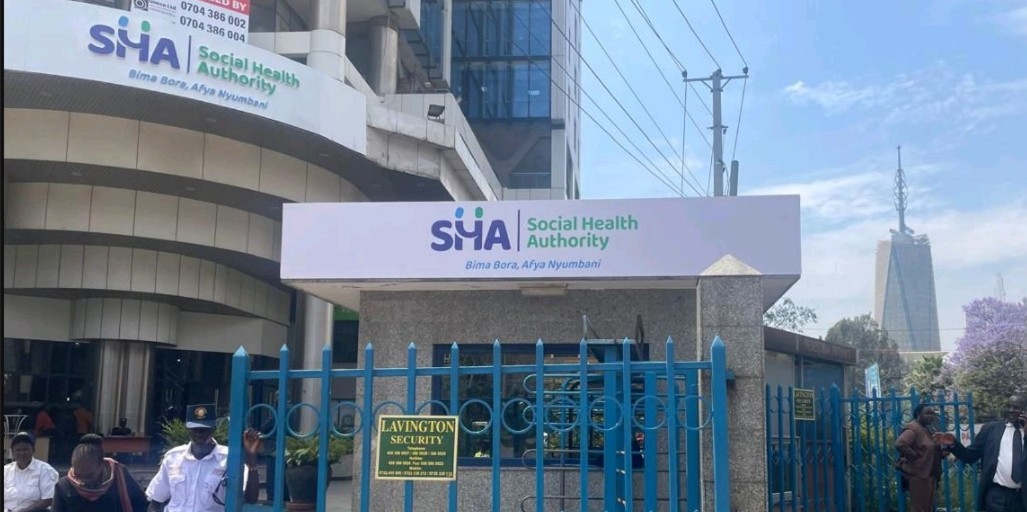
A fresh dispute is brewing between Kenyan hospitals and the Social Health Authority just as SHA opens a new contracting cycle for healthcare providers.
At the centre of the disagreement is a question that matters to every patient using SHA: who carries the cost when the authority does not pay a hospital on time?
Hospitals have raised objections to provisions in proposed 2026 to 2029 contracts dealing with claims, deductions and payment obligations.
One contentious provision commits SHA to settle claims within 90 days but makes payment dependent on the availability of money in the relevant fund and appropriations by Parliament.

Healthcare providers fear that could leave hospitals treating patients without certainty over when they will be paid.
The dispute comes as SHA launches its E-Contracting Portal for facilities seeking contracts to provide services to beneficiaries.
Sections 33 and 34 of the Social Health Insurance Act provide for contracting of healthcare providers and facilities to deliver services financed through the social health insurance system.
For patients, the contractual language may sound technical. Its consequences are not.
Hospitals depend on regular payments to buy medicines, pay workers, maintain equipment and keep essential services running.
When reimbursements are delayed for long periods, providers can face cash flow problems. In previous disputes over health insurance payments, some facilities have restricted services or demanded alternative payment arrangements from patients.
That is why the argument over the new contracts goes beyond a disagreement between SHA and hospital owners.
It is ultimately about whether a patient can walk into a contracted hospital, present their SHA details and receive treatment without becoming caught in a payment dispute between the hospital and the government.
The new system was designed to replace the National Health Insurance Fund and move Kenya towards universal health coverage.
But its success will depend not only on how many Kenyans are registered. It will also depend on whether hospitals are paid predictably enough to continue treating them.
As the latest contracting round opens, that relationship between SHA, hospitals and patients will be one of the tests of the country's health financing reforms.
You may also like
Category: Health · Related Topic: Social Health Authority (SHA)
Related Explainer: Fact Check: Did elephants save people during Nepal’s floods?
 Facebook
 Twitter / X
 WhatsApp
 LinkedIn
 Telegram
 Reddit