
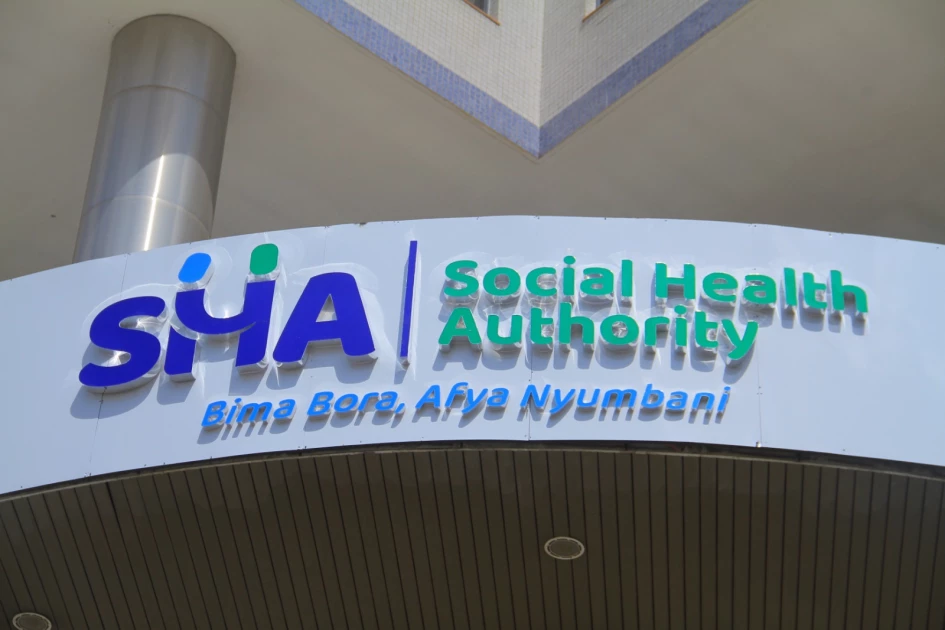
Kenya’s health facilities will face tighter checks before they can secure contracts under the next Social Health Authority (SHA) cycle, with digital readiness, ownership information, licensing and financial compliance among the requirements being emphasised.
The new contracting cycle is scheduled to begin on October 1, 2026, and run until June 30, 2029.
It will determine which healthcare providers can deliver services under four funds: the Primary Health Care Fund (PHCF), Social Health Insurance Fund (SHIF), Emergency, Chronic and Critical Illness Fund (ECCIF), and Public Officers Medical Scheme Fund (POMSF).
The move marks another major stage in the government’s effort to shift healthcare financing from the former NHIF system to SHA.

But for hospitals and clinics, it also means getting their paperwork, systems and compliance records in order before they can do business under the new contracts.
What SHA will be looking for
SHA says providers will go through a digital onboarding process before contracts are concluded.
The process will include verification of regulatory information, know-your-customer checks, technical assessment and financial due diligence.
Facilities will therefore need more than a licence to operate.
Among the documents they are expected to have are a valid facility licence, current professional registrations, a beneficial ownership declaration and a valid tax compliance certificate.
They will also need a bank account registered in the official name of the facility or institution, together with a bank confirmation letter.
The requirements are designed to give SHA a clearer picture of who it is contracting, whether a facility is legally authorised to provide the services and whether it can meet the obligations attached to the agreement.
That is particularly important as the authority handles an increasingly large network of healthcare providers and billions of shillings in claims.
The Ministry of Health reported in June that 11,034 facilities had been contracted by SHA, with KSh147.37 billion in claims paid at the time.
Digital systems become part of the deal
The new framework also places a strong emphasis on a facility’s ability to work digitally.
Healthcare providers will need an operational electronic medical record system or another approved claims system to support digital contracting and claims.
They must also be able to submit claims electronically and have internet-enabled devices available at points where patients receive care.
Each facility will be expected to designate an administrator to manage its activities on the SHA digital platform.
This comes as the Ministry of Health works with SHA and the Digital Health Agency to move providers from the SHA Provider Portal towards the SHA Health Management Information System (SHA HMIS). The government held consultations with healthcare provider associations in June on the transition and provider preparedness.
The direction is clear: digital systems are no longer simply an administrative convenience for providers seeking government-funded health business.
They are becoming part of the conditions for participation.
Four contracts, four areas of care
The proposed contracting framework separates SHA’s relationship with providers across four funds.
The Primary Health Care Fund will govern services provided at the primary-care level.
The Social Health Insurance Fund covers the wider health insurance component of the system.
The Emergency, Chronic and Critical Illness Fund is designed around emergency and high-cost healthcare needs.
The Public Officers Medical Scheme Fund covers healthcare arrangements for public officers and their dependants.
The government has already signed POMSF contracts with healthcare facilities, including private and faith-based providers from Level 3 to Level 6. The scheme covers services ranging from outpatient and inpatient care to specialised treatment, cancer care, dialysis, dental and optical services and other benefits.
The new cycle will bring these different arrangements under fresh contractual terms.
Providers still have a say
The contracts are not simply being imposed without consultation.
SHA recently invited healthcare providers, facilities, representative associations and other stakeholders to review the proposed agreements and submit comments before they are finalised.
That consultation is important because providers have raised concerns over how SHA contracts work in practice, particularly around claims, tariffs and payment arrangements.
Earlier this year, the Ministry of Health acknowledged challenges affecting public officers accessing services under POMSF.
In April, the government said it would remove the tariff-locking mechanism while negotiations on a harmonised reimbursement framework continued. It also directed contracted facilities not to charge public officers unauthorised out-of-pocket fees.
The government has also previously warned contracted facilities against turning away patients because of SHA system problems.
In March, Health Cabinet Secretary Aden Duale said facilities should continue providing care during technical interruptions and warned that providers that deny treatment could face suspension or termination of their contracts.
Those experiences give the new contracting cycle a bigger significance.
The issue is not only who gets a SHA contract.
It is also what happens once the contract is signed.
A stronger focus on accountability
The proposed requirements also include undertakings covering fraud, bribery and conflicts of interest.
That puts accountability at the centre of the new provider relationship.
Kenya’s health insurance transition has faced persistent questions over claims processing, payments and financial controls. The government has previously said it is strengthening verification of inherited NHIF claims and tightening controls to prevent irregular claims and misuse of public funds.
Under existing SHA regulations, contracted providers can lose their contracts for breaches including fraudulent claims, billing for services not provided or making claims outside the provider’s authorised scope.
The new cycle therefore comes with a clear message to providers: being contracted is not the end of the compliance process.
It is the beginning of an ongoing obligation.
What this means for patients
For patients, the most important question will be whether the new contracting system translates into fewer disruptions at the point of care.
A cleaner provider database and stronger verification could help SHA know exactly which facilities are licensed, who owns them, what services they can provide and where claims are coming from.
But digital requirements alone will not solve the wider problems facing the health financing system.
Providers still need predictable payments. Patients need to know where they can receive covered services. And SHA needs systems that work when people are at their most vulnerable — including emergencies.
The government says the wider reforms are aimed at creating a more integrated Universal Health Coverage system. The Ministry has reported substantial progress in provider contracting and claims payments, but the transition remains a work in progress.
The October 1 deadline will therefore be more than the start of another contracting period.
It will be a test of whether SHA can turn stricter provider checks and digital systems into something patients actually notice: reliable access to care without being caught between a hospital, a claims system and a health insurer.
You may also like
Category: Health · Related Topic: Social Health Authority (SHA)
Related Video: Dolly Parton’s Family Announces Her Passing in Emotional Tribute
Related Explainer: Kiharu Technical College September Intake 2026: Courses, Skills and New Opportunities
About the Author
Maureen Onyango is a journalist passionate about storytelling, life coaching and spiritual lessons. She studied at the Kenya Institute of Management and enjoys telling stories that inform, inspire and empower communities.
 Facebook
 Twitter / X
 WhatsApp
 LinkedIn
 Telegram
 Reddit