
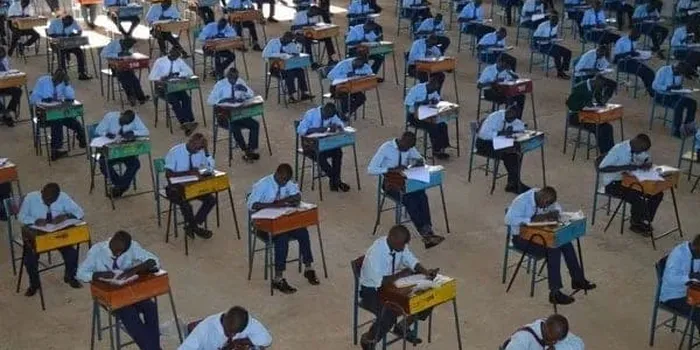
Kenya has begun putting in place the people who will oversee this year’s national examinations, with the Teachers Service Commission (TSC) and Kenya National Examinations Council (KNEC) moving to identify and deploy teachers to examination centres across the country.
The exercise is more than a routine administrative process.
With thousands of candidates expected to sit national examinations and assessments from October, officials are now working to ensure that the people handling the papers are suitably qualified, independent of the centres where they teach and free from potential conflicts of interest.
At the same time, the Ministry of Education is tightening restrictions on activities in schools during the final stretch of the school year.
The two developments point to the same priority: keeping candidates focused and protecting the integrity of the examination process.
Teachers being identified through CP2 system
Curriculum Support Officers (CSOs) have begun engaging Heads of Institutions to collect information on teachers who can be assigned examination duties.
The details will be entered into KNEC’s Contracted Professionals, or CP2, system.
Sub-County Directors of Education have been instructed to identify and nominate suitable teachers for roles including Centre Managers, Supervisors and Invigilators, with the information expected to be entered into the system by the end of September.
The deployment comes ahead of a busy examination calendar that begins in October.
KNEC has already published the 2026 timetables for KCSE, KJSEA, KPSEA, KILEA and KPLEA.
The selection process therefore has an important job: matching enough qualified personnel to examination centres while limiting the possibility of familiarity, favouritism or conflicts of interest.
Three-year rule to keep teachers away from familiar centres
One of the safeguards built into the deployment process is a restriction on where teachers can be assigned.
Supervisors and invigilators will not be deployed to schools where they have worked during the previous three years.
The idea is straightforward.
A teacher who has recently worked at a particular school may already know its staff, candidates or routines. Keeping such teachers away from their former stations creates greater distance between examination officials and the candidates they are supervising.
Teachers will also have to declare any potential conflict of interest.
This includes cases where a relative is sitting an examination at the centre where the teacher has been assigned.
Where a conflict is declared, the teacher will be moved to another centre.
These measures are particularly important because examination officials are responsible for maintaining the rules inside the examination room and ensuring candidates are treated fairly.
Who will sit which exams — and when?
The deployment comes as Kenya prepares for several assessments in the same period.
The 2026 KCSE will run from October 19 to November 20.
The written KPSEA papers will be administered from October 26 to 28.
The KJSEA written papers will run from October 26 to 28, with a rehearsal scheduled for October 23.
KILEA assessments are scheduled for October 26 to 29, while KPLEA activities begin on October 26, with the assessment timetable extending beyond the initial papers because it includes performance-based tasks.
This means October will be a particularly busy month for schools, examination officials and education administrators.
Ministry moves to clear the examination runway
The teacher deployment exercise is happening alongside a fresh directive aimed at limiting activities that could distract candidates during Third Term and the examination period.
In a circular dated September 3, Principal Secretary for Basic Education John Ololtuaa directed schools to regulate social, co-curricular and external activities as the examination season approaches.
The Ministry said the measures are intended to minimise disruptions during preparation and administration of the national assessments and examinations.
Among the changes, schools have been directed to hold Annual General Meetings (AGMs) only during the first or second term.
Prize-giving ceremonies, thanksgiving events and dedicated prayer days for candidates have also been moved to the second term.
During the examination period, schools will not be allowed to hold candidate prayer sessions involving parents, visitors or other people from outside the institution.
However, regular worship conducted internally by chaplains and teachers may continue.
The Ministry has also cancelled annual leave for education officers during the national assessment and examination period.
Ololtuaa said the restrictions were necessary to create an environment in which candidates can prepare for and sit their examinations without unnecessary interruptions.
Why the restrictions matter
For parents, some of these changes may appear restrictive, particularly where schools traditionally organise prayer days, thanksgiving services or end-of-year events involving families.
But the Ministry's position is that the final term requires tighter control of movements and activities around candidates.
The restrictions also come at a time when examination administration is becoming increasingly complex.
Kenya is no longer dealing with one major examination alone. The national calendar now includes assessments under the Competency-Based Education system alongside KCSE.
That means examination centres need the right personnel, while schools need to minimise anything that could interfere with candidates or create unnecessary movement around examination areas.
The focus now shifts to execution
For teachers, the immediate issue is whether they will be selected and where they will be posted.
For schools, it means preparing for a period in which ordinary activities will have to fit around the national examination calendar.
And for parents and candidates, the message is becoming clearer: the closer October gets, the more tightly controlled the school environment will become.
The teacher deployment process is expected to continue through September as education officials finalise the list of examination personnel.
KNEC's published timetables provide the dates. The CP2 deployment process determines who will be on the ground to administer the papers.
The real test will come when the first papers are opened.
By then, the safeguards being put in place now — from teacher selection and conflict-of-interest checks to restrictions on outside activities — will be expected to work as intended.
For candidates, the goal is simple: a quiet examination room, an impartial official and a fair chance to write their papers.
You may also like
Category: Education
Related Video: Dolly Parton’s Family Announces Her Passing in Emotional Tribute
Related Explainer: Kiharu Technical College September Intake 2026: Courses, Skills and New Opportunities
About the Author
Maureen Onyango is a journalist passionate about storytelling, life coaching and spiritual lessons. She studied at the Kenya Institute of Management and enjoys telling stories that inform, inspire and empower communities.
 Facebook
 Twitter / X
 WhatsApp
 LinkedIn
 Telegram
 Reddit