
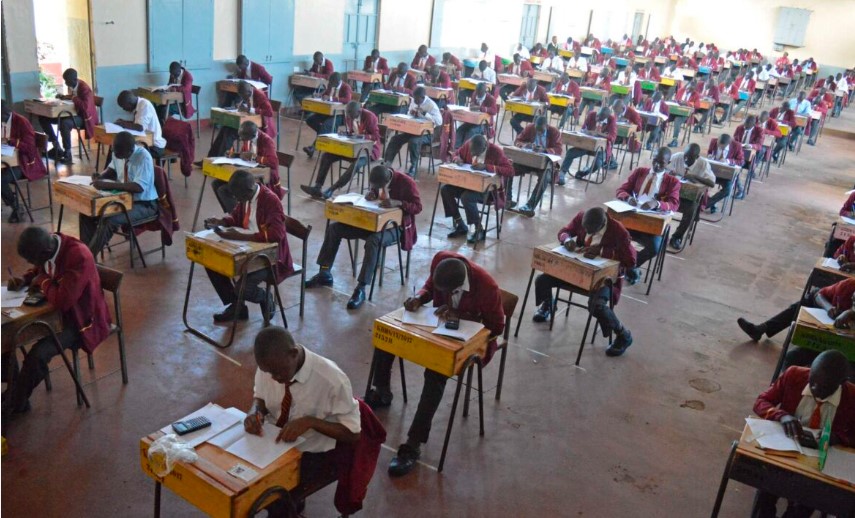
Kenya’s record KCSE cohort faces its final preparations as KUPPET demands higher examination pay and warns it could disrupt the national tests.
More than one million candidates are preparing to sit Kenya’s 2026 Kenya Certificate of Secondary Education (KCSE) examinations, but a growing dispute over teachers’ pay has cast uncertainty over the smooth running of the exercise.
Rehearsals are scheduled for Friday, 16 October, ahead of oral and practical examinations beginning on Monday, 19 October. The preparations come as the Kenya Union of Post-Primary Education Teachers (KUPPET) maintains a boycott threat over what it says are inadequate payments and poor working conditions for teachers handling national examinations.
The standoff presents a challenge for examination officials: ensuring that candidates are ready to begin while securing enough personnel to administer the papers and mark scripts.
Record candidature raises pressure on examination officials
A total of 1,048,355 candidates have registered for KCSE this year, taking the number above one million for the first time. That is an increase from 996,078 registered candidates in 2025.
The rise adds to the logistical demands of distributing examination materials, staffing centres and safeguarding the process. KCSE is also taking place alongside the Kenya Primary School Education Assessment and the Kenya Junior School Education Assessment, bringing the combined number of candidates across the three national examinations and assessments to more than 3.6 million.
For candidates and their families, the immediate concern is whether the examinations will proceed according to schedule. KUPPET’s threatened withdrawal does not itself mean the examinations have been postponed, but it raises questions about staffing if the dispute remains unresolved.
What KUPPET wants
KUPPET has instructed its members to stay away from examination administration, supervision and marking duties until its concerns over pay and working conditions are addressed.
The union is demanding a minimum daily payment of Sh4,000 for supervisors and related examination officials, as well as at least Sh100 for marking each examination paper. It argues that the current rates do not adequately reflect the workload, responsibility and time teachers spend away from their regular stations.
KUPPET Secretary-General Akelo Misori has criticised the existing payments, describing them as “slavery wages”. The union has also raised concerns about accommodation for examiners at marking centres.
According to reporting by The Star, current KCSE rates vary by role. Supervisors earn between Sh630 and Sh680, centre managers between Sh500 and Sh550, and invigilators between Sh430 and Sh510. Examiners also receive a daily allowance of Sh150, while marking rates generally range from Sh35 to Sh75 per script.
The union says the dispute needs urgent attention and has sought intervention from the Salaries and Remuneration Commission. Misori has warned that failure to reach an agreement could disrupt the management of the 2026 examinations.
The immediate question is whether KNEC, the government and the union can reach an agreement before the written papers begin. The available reports do not establish that a settlement has been reached.
What candidates should expect during rehearsals
The rehearsals on Friday are intended to familiarise candidates with examination procedures before the first papers are administered.
Candidates should confirm their personal details and index numbers, check their assigned seating arrangements and raise any discrepancies with school officials. They are also expected to understand the instructions governing conduct in the examination room and the handling of question papers and answer booklets.
Schools and examination officials must prepare rooms, organise seating and review the procedures for handling examination materials. Candidates should follow instructions issued by their schools and KNEC, arrive on time and avoid bringing prohibited items into examination rooms.
Rehearsals are not merely a practice session. They offer schools an opportunity to identify administrative errors before the examinations begin, when correcting them may be more difficult.
KCSE timetable: Key dates
According to the published 2026 KNEC timetable, the examination period will proceed in stages:
-
Friday, 16 October: KCSE rehearsal day.
-
Monday, 19 October: Oral and selected practical examinations begin.
-
Friday, 30 October: The scheduled window for oral and practical examinations concludes.
-
Monday, 2 November: Written examinations begin, starting with English and Chemistry.
-
Friday, 20 November: The KCSE examination period ends, with Physics practicals scheduled on the final day.
Candidates should use the official timetable issued by KNEC and confirm the dates and sessions for their individual subjects with their schools.
Examination integrity remains a major concern
The pressure to administer the examinations on time comes alongside the need to protect their credibility.
When the 2025 KCSE results were released in January 2026, Education Cabinet Secretary Julius Ogamba said KNEC had cancelled the results of 1,180 candidates found to have been involved in examination irregularities. This was up from 840 candidates whose results were cancelled in 2024.The figures underline the consequences of examination malpractice for candidates. KNEC’s rules provide for cancellation of results where irregularities are established, with wider sanctions possible where a whole examination centre is implicated.
Candidates therefore need to understand the rules, follow instructions and report concerns through the appropriate school or examination officials rather than risk their results.
A crucial few days ahead
With rehearsals under way and the first oral and practical papers due on Monday, attention now turns to whether the pay dispute can be resolved without disrupting the examination calendar.
KUPPET says its members should not undertake examination duties until its demands are addressed. KNEC, meanwhile, faces the task of ensuring that the examinations are administered securely and fairly across the country.
For the more than one million KCSE candidates, the priority is straightforward: a fair examination, clear instructions and the opportunity to sit their papers without avoidable disruption.
The rehearsals mark the final preparations. Whether the wider examination operation runs smoothly will depend not only on candidates following the rules, but also on the institutions responsible for administering the tests resolving the dispute over the people expected to deliver them.
You may also like
Category: Education
Related Video: What Dangote’s proposed Lamu oil refinery could mean for East Africa
Related Explainer: Kiharu Technical College September Intake 2026: Courses, Skills and New Opportunities
About the Author
Maureen Onyango is a journalist passionate about storytelling, life coaching and spiritual lessons. She studied at the Kenya Institute of Management and enjoys telling stories that inform, inspire and empower communities.
 Facebook
 Twitter / X
 WhatsApp
 LinkedIn
 Telegram
 Reddit