
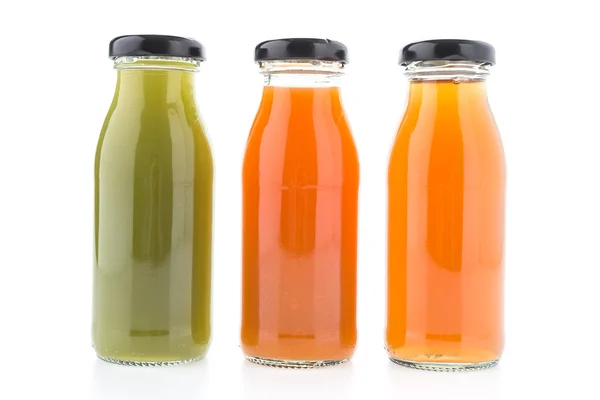
NAIROBI, Kenya — A KEBS quality mark on a bottle of jaba juice may not mean what consumers think it does.
The Kenya Bureau of Standards (KEBS) has warned that some manufacturers have been using certification permits issued for ordinary fruit juices and drinks to market beverages infused with khat, commonly known as miraa or muguka.
In a public notice dated October 16, 2026, the regulator said it had identified cases of misuse and revoked the certification permits of manufacturers found to be involved.
The warning puts the spotlight on how product certification works in Kenya, particularly as new beverages enter the market and consumers rely on quality marks to make purchasing decisions.
KEBS said it had not issued a Standardisation Mark (S-Mark) permit for any khat-infused beverage currently on the market.
“KEBS has therefore not issued Standardization Mark permits for any khat-infused beverages,” the agency stated.
It warned manufacturers and traders against displaying the mark or claiming KEBS certification for these products, saying the practice misrepresents their certification status and could lead to enforcement action under the Standards Act, Cap. 496.
Why a KEBS mark on one product may not cover another
The key issue is the scope of certification.
A manufacturer may hold a valid KEBS permit for a particular fruit juice or fruit drink. However, that approval does not automatically extend to every other beverage the company produces.
Each permit applies to the products covered by the approved certification. A company cannot simply use an existing permit to suggest that a different product has also passed the relevant assessment.
This distinction matters to consumers who may assume that a familiar brand, a manufacturer's reputation or a quality mark on a bottle guarantees that every product in its range has been approved.
Under KEBS's warning, that assumption would be misplaced when it comes to khat-infused drinks.
The agency said khat and products derived from the plant are currently excluded from its product certification scheme because of regulatory considerations surrounding the plant's psychoactive compounds, including cathinone and cathine.
The notice does not establish that every jaba juice product is contaminated or otherwise unsafe. Rather, it makes clear that none of these beverages has been approved under the KEBS certification scheme.
Consumers should therefore distinguish between a product's certification status and any separate questions about its ingredients, effects or safety.
What happens to manufacturers using the mark?
KEBS said it had already revoked the certification permits of manufacturers identified as having misused the mark.
It also warned that market surveillance would continue, with the agency prepared to take enforcement action against manufacturers and traders found to be making misleading certification claims.
The warning serves as a reminder that the Standardisation Mark is not simply a logo for businesses to display on packaging. It represents a specific certification status and must not be used to imply approval beyond the products covered by a permit.
However, KEBS did not name the manufacturers whose permits had been revoked in the public notice reported on October 16. It also did not provide details of the number of affected firms or the specific products involved.
Without those details, consumers cannot determine from the notice alone whether a particular brand or bottle is among the products linked to the reported violations.
The regulator's warning is directed at the certification claims surrounding these drinks, rather than an announcement that every product sold as jaba juice has been withdrawn from the market.
How Kenyans can check a KEBS quality mark
KEBS has urged consumers and traders to verify certification rather than relying solely on a mark printed on a label.
The agency provides several ways to check whether a product's certification is valid.
-
SMS verification: Send
SM#PERMIT NUMBERto 20023, replacing “PERMIT NUMBER” with the number printed on the product's Standardisation Mark. -
Phone assistance: Call the KEBS toll-free line on 1545.
-
Online verification: Check the product against the certification information available through the official KEBS website.
-
Report suspected misuse: Contact KEBS through its toll-free line or official consumer complaint channels.
The SMS service checks the permit number. Consumers should ensure that the result corresponds to the product they are buying, rather than assuming that a valid number automatically covers every product made by that manufacturer.
Official verification guidance is available through the KEBS website.
What the warning means for consumers
The warning comes as consumers encounter an expanding range of beverages marketed under different names and formulations.
For buyers, the immediate lesson is straightforward: a quality mark should be checked against the exact product, not accepted at face value.
For manufacturers and traders, the notice is a warning against extending certification claims beyond their authorised scope. A permit issued for one beverage cannot be treated as blanket approval for an entire product range.
KEBS has not announced a general recall of all jaba juice products in the notice. Nor does the warning, by itself, establish that every khat-infused beverage on sale is unsafe.
What it does establish is that the agency has not certified these drinks under its current product certification scheme and has already taken action against identified cases of misuse.
The next test will be how effectively the regulator identifies affected products, enforces its warning and helps consumers distinguish genuine certification from misleading claims.
For anyone buying a drink carrying a KEBS mark, checking the permit is a practical first step. In this case, it could also prevent a certification claim from being mistaken for approval that the regulator says it never granted.
You may also like
Category: News
Related Video: What Dangote’s proposed Lamu oil refinery could mean for East Africa
Related Explainer: Why the BCG Vaccine Leaves That Small Scar on Your Arm
About the Author
Maureen Onyango is a journalist passionate about storytelling, life coaching and spiritual lessons. She studied at the Kenya Institute of Management and enjoys telling stories that inform, inspire and empower communities.
 Facebook
 Twitter / X
 WhatsApp
 LinkedIn
 Telegram
 Reddit