
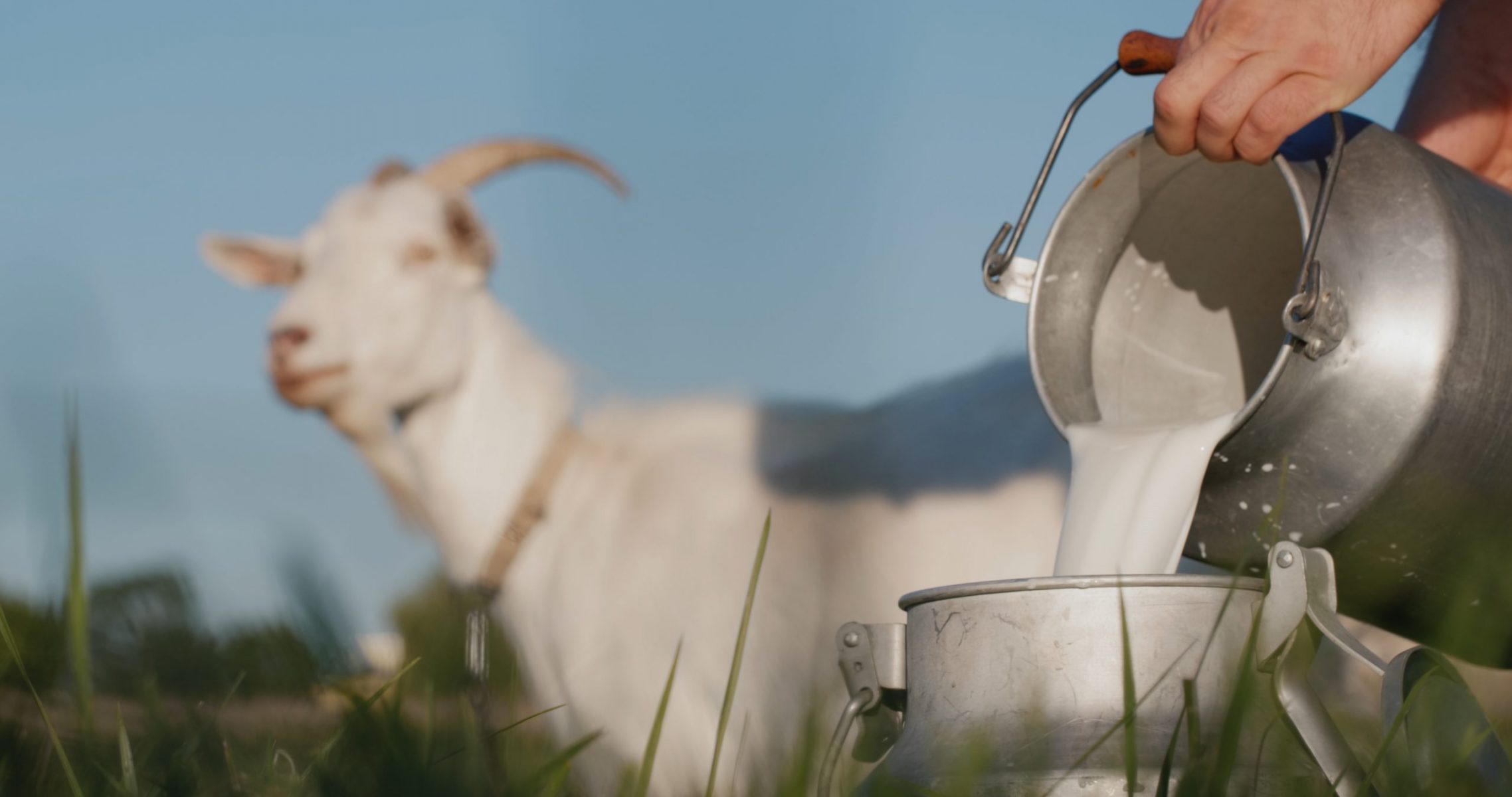
Kenya’s milk supply pressures are giving dairy goat farmers a chance to promote an alternative to cow’s milk. But while goat milk could open new income opportunities, its price and the cost of expanding production may determine how far it can go in easing the shortage.
Farmers in Kajiado County are urging more Kenyans to consider goat milk as the country confronts declining milk deliveries to processors and pressure on animal feed supplies.
The appeal comes as prolonged dry conditions put pressure on pasture and increase the cost of feeding livestock. Government figures reported by the Kenya News Agency show that formal milk deliveries to processors fell by 3.7 per cent, from 84.4 million litres in June to 81.3 million litres in July 2026. Preliminary indications pointed to a further decline in August.
For dairy goat farmers, the challenge facing conventional dairy production could create an opportunity. However, whether goat milk can make a meaningful difference will depend on production volumes, affordability, reliable markets and proper handling of the milk.
Why farmers are looking beyond cows
The farmers say goats require less feed than cattle, making them an option worth considering for producers who cannot afford the costs associated with maintaining dairy cows.
According to the figures cited by the farmers, a goat consumes about three kilogrammes of feed daily, compared with around 15 kilogrammes for a cow. These estimates have not been independently verified and will vary depending on the animal's size, breed, stage of production and feeding system.
The farmers also point to the potential earnings. Goat milk is reportedly selling directly from producers at KSh120 per litre.
That price could offer an income opportunity for farmers who can establish a reliable customer base. But it also raises a question for consumers: can goat milk become an affordable alternative when ordinary cow's milk is already becoming expensive?
A higher selling price may benefit producers, but it does not necessarily make the product accessible to households struggling with food costs.
The economics will depend on how much milk each goat produces, the cost of feed, veterinary care, breeding, labour and transport, as well as the market price farmers can secure.
Can goat milk help ease Kenya's shortage?
Kenya's milk supply problem is closely linked to the conditions under which dairy animals are raised.
In September 2026, Livestock Development Principal Secretary Jonathan Mueke attributed declining deliveries to processors to a lack of rain and pressure on fodder supplies. Agriculture Cabinet Secretary Mutahi Kagwe also identified competition from brokers paying farmers higher prices as a factor affecting deliveries to processing plants.
This distinction matters. A country can experience shortages on supermarket shelves even when milk is available in some farming areas, particularly when producers and processors struggle to agree on prices.
Goat milk could diversify the supply, but expanding production would require more than encouraging farmers to keep goats. Farmers would need access to suitable dairy breeds, quality feed, veterinary services, hygienic milking facilities, storage and dependable buyers.
There would also need to be sufficient production to supply markets consistently. Goat milk remains a much less established option in Kenya's mainstream dairy market than cow's milk.
Buffalo milk debate puts alternative dairy sources in focus
The discussion comes as the government considers expanding Kenya's dairy options to include water buffaloes and camels.
President William Ruto recently raised the possibility of introducing suitable buffalo breeds and camels to help increase milk production, sparking debate among Kenyans about the cost and practicality of the proposal.
The idea of water buffaloes is not entirely new. Kenya Gazette Notice No. 977, dated 31 January 2025, declared the domesticated water buffalo a food animal under the Meat Control Act. However, the notice does not establish a commercial buffalo dairy programme or, by itself, approve an importation scheme for milk production.
The government will therefore need to distinguish between recognising an animal for food production and establishing the infrastructure required to raise it commercially.
Goats and camels offer a different starting point because they are already kept by Kenyan farmers and pastoralist communities. Yet their contribution to the national milk supply will depend on the scale of production, the suitability of local conditions and the ability to get the milk to consumers safely.
Is goat milk more nutritious than cow's milk?
Goat milk can be a useful source of nutrients, but claims that it is automatically more nutritious than cow's milk need qualification.
A peer-reviewed study published in 2019 compared retail goat and cow milk and found differences in their nutritional composition. Goat milk contained higher levels of some minerals, including magnesium, phosphorus and potassium, but lower average levels of protein and calcium in the samples studied. The researchers also found that the differences varied with the season and other production factors.
The findings do not support a blanket claim that goat milk contains more protein and calcium than cow's milk. The nutritional value of either product depends on its composition and the quantities consumed.
Consumers should also remember that goat milk is not a guaranteed safe substitute for people with cow's milk protein allergies. Anyone considering it for a child or someone with a known milk allergy should seek advice from a qualified health professional.
As with other fresh milk, hygienic handling and appropriate pasteurisation or boiling are important to reduce the risk of food-borne illness.
What this means for Kenyan farmers and consumers
For farmers in Kajiado, dairy goat farming could provide another source of income and reduce dependence on a single livestock enterprise. For consumers, it could introduce greater choice in a market under pressure.
But the immediate challenge is supply. A litre selling at KSh120 directly from a farm may cost more by the time it reaches a retail outlet. Without reliable figures on production volumes, farm costs and retail prices, it is too early to conclude that goat milk will significantly ease the current shortage or reduce household spending.
The opportunity is worth exploring, but it should be supported by practical measures: farmer training, access to suitable breeds, affordable feed, quality controls and stronger links between producers and buyers.
Kenya's dairy debate is ultimately about more than finding another animal to milk. It is about building a supply system that can withstand drought, keep farmers in business and deliver safe milk at prices consumers can afford.
You may also like
Category: News
Related Video: What Dangote’s proposed Lamu oil refinery could mean for East Africa
Related Explainer: Kenya G-to-G Oil Deal Explained: How It Works, Who Supplies the Fuel and Why It Is Controversial
About the Author
Maureen Onyango is a journalist passionate about storytelling, life coaching and spiritual lessons. She studied at the Kenya Institute of Management and enjoys telling stories that inform, inspire and empower communities.
 Facebook
 Twitter / X
 WhatsApp
 LinkedIn
 Telegram
 Reddit