
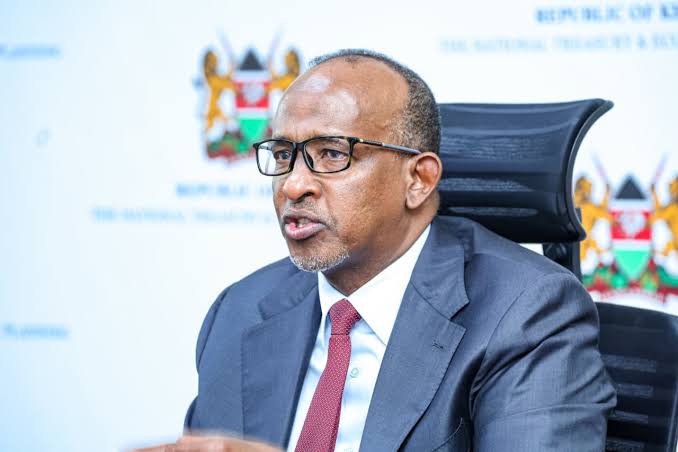
NAIROBI, Kenya — Kenya could need another three weeks before it is declared free of Ebola, but the timeline depends on whether health authorities record any new cases and meet the World Health Organization’s conditions for ending an outbreak.
Health Cabinet Secretary Aden Duale said on Sunday, October 25, that the country was approaching the halfway point of the internationally recognised 42-day monitoring period. He cautioned, however, that an Ebola-free declaration would depend on the required public health procedures being completed.
“Once we have 42 days and we have nobody, Kenya will be declared Ebola-free,” Duale said during an interview on Citizen TV’s Sunday Live programme.
His remarks come as Kenya manages nine confirmed cases of Bundibugyo virus disease, the strain responsible for the current Ebola outbreak, with two deaths reported. The other seven patients were receiving care in isolation facilities, according to the Ministry of Health.
Health officials have said all confirmed Kenyan cases are linked to the first imported case. No evidence of wider community transmission had been reported in the World Health Organization’s situation update published on October 23.
Why the 42-day countdown matters
The 42-day period is an international public health benchmark, not a deadline set by the Kenyan government.
It is based on the virus’s maximum incubation period of 21 days. The additional 21 days provide a further monitoring period to help health teams establish that transmission linked to the last case has ended.
Crucially, the countdown is not simply measured from the date the first patient arrived in Kenya. Under WHO protocols, it begins after the last confirmed patient has tested negative twice and been discharged from care, with no new cases identified during the period.
This means the country’s final declaration depends on the status of patients still receiving treatment and the continued absence of new infections. The next three weeks are therefore a possible timeline, rather than a guaranteed date for the end of the outbreak.
The distinction matters because people who have been exposed can develop symptoms up to 21 days after infection. Health teams must continue monitoring contacts and respond promptly to anyone who develops symptoms.
Contacts may leave quarantine after assessment
Duale also said people who had completed 21 days of quarantine were being assessed for possible release to their families.
He said close to 20 contacts were approaching the end of their monitoring period and would be considered for release if their tests and clinical assessments were satisfactory.
The CS said contacts were being tested regularly to identify infections early, given that symptoms can develop during the incubation period.
“If tomorrow they are negative, the Director General will do the clinical analysis, will do all the protocols, and they’ll be safe to go and join their families,” he said.
Completing quarantine does not mean someone has had Ebola. It means the person has been monitored because of a possible exposure. Decisions about release should follow the health authorities’ assessment and official protocols.
Duale also said the government had traced all identified contacts linked to the outbreak. He reported that more than 551 people had been tested in the preceding 48 hours, with all those tests returning negative.
Two deaths among nine confirmed cases
Kenya confirmed its first imported case in early October after a Kenyan man who had travelled from the Democratic Republic of Congo through Uganda became ill. He died on October 5.
A 65-year-old woman who was a close relative of the first patient later developed symptoms while in quarantine and died on October 23, bringing the national death toll to two. The Ministry of Health said the remaining confirmed patients were receiving care in isolation facilities.
The fact that additional cases were detected among people already in quarantine has been important to the response. It shows why tracing and monitoring close contacts remain necessary even when there is no evidence of wider community spread.
The WHO’s October 23 update reported nine cases in Kenya, all linked to the imported case, and stressed the need for continued surveillance and coordinated preparedness across borders.
What Kenyans should know
Ebola is transmitted through direct contact with the blood or other bodily fluids of an infected person who is showing symptoms, or through contaminated materials. It is not spread simply by being in the same area as someone who is well.
People should avoid contact with bodily fluids from anyone suspected of having Ebola and seek prompt medical attention if they develop concerning symptoms after a possible exposure. Anyone with information about a suspected case should contact the Ministry of Health through its official reporting channels.
Kenya’s response is also unfolding against a wider regional outbreak. The Democratic Republic of Congo has reported thousands of confirmed cases and deaths, while imported cases have been reported in other countries. The WHO has called for continued surveillance and cross-border coordination.
For now, the absence of reported community transmission in Kenya is encouraging, but it does not mean surveillance can stop. A formal Ebola-free declaration will depend on the full 42-day process, the recovery and clearance of patients, and continued monitoring for any new infections.
You may also like
Category: Health
Related Video: What Dangote’s proposed Lamu oil refinery could mean for East Africa
Related Explainer: Ebola contact tracing: Why the 21-day window matters in Kenya’s response
About the Author
Maureen Onyango is a journalist passionate about storytelling, life coaching and spiritual lessons. She studied at the Kenya Institute of Management and enjoys telling stories that inform, inspire and empower communities.
 Facebook
 Twitter / X
 WhatsApp
 LinkedIn
 Telegram
 Reddit