
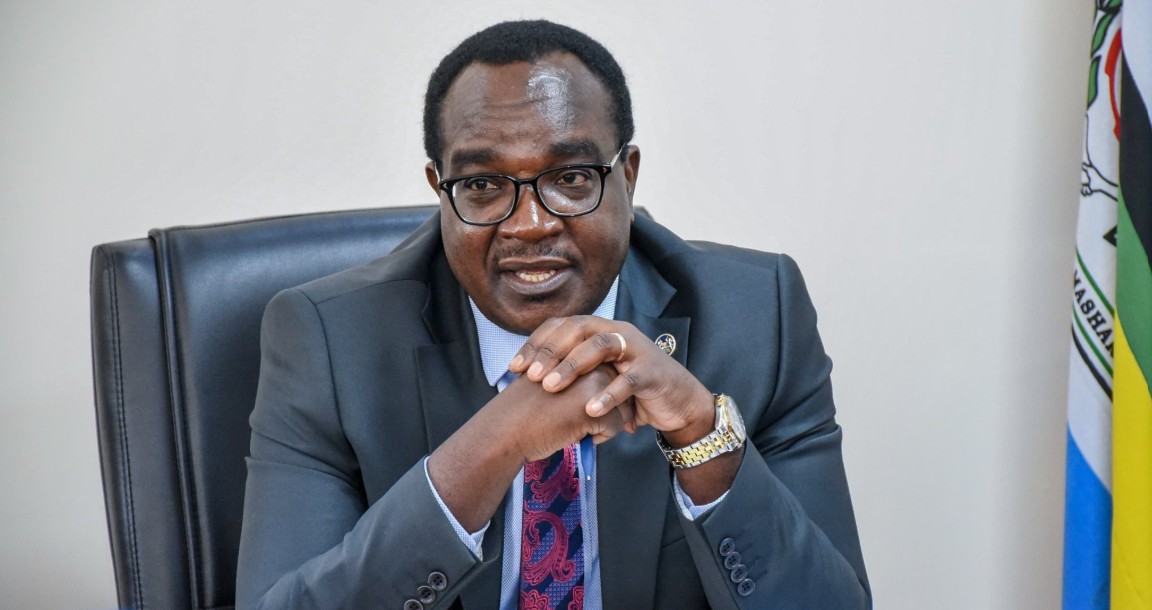
NAIROBI, Kenya — As millions of Kenyan learners begin their national assessments, Education Cabinet Secretary Julius Migos Ogamba has warned parents against paying people who claim to have access to examination papers before they are administered.
Ogamba said the offers were fraudulent and urged families not to be misled by individuals promising an unfair advantage in the Kenya Primary School Education Assessment (KPSEA) and Kenya Junior School Education Assessment (KJSEA).
The warning came on Monday, October 26, as Grade 6 and Grade 9 learners began their assessments. Ogamba spoke in Makueni County during the distribution of examination materials.
“I particularly caution parents, candidates and members of the public against individuals who claim to have access to examination papers and demand money in exchange for purported advanced access. Such claims are fraudulent,” he said.
His message is particularly important for parents who may feel pressure to help their children perform well. Paying for alleged leaked papers risks losing money without gaining any legitimate advantage.
Parents urged to report suspicious offers
Ogamba asked anyone with information about people selling purported advance papers to report them to the relevant authorities.
“I urge anyone with information concerning these activities to report the matter promptly to relevant authorities,” he said.
The warning follows reports of suspected fraudsters advertising purported KCSE examination papers for sale online ahead of the secondary school examinations. The reports point to a wider risk during the national examination season: people may use candidates’ and parents’ anxiety to make money from claims that have not been verified. <Cite refs={["turn776763search17","turn776763search12"]}/>
However, reports of fake papers being offered for sale should not be confused with confirmation that genuine KPSEA or KJSEA examination papers have leaked. Ogamba’s warning was that claims of advance access were fraudulent.
Parents should therefore be wary of anyone demanding payment for supposed examination papers, whether the offer comes through social media, messaging groups or personal contacts. They should avoid forwarding such claims as fact and report suspicious activity instead.
Assessments begin for Grade 6 and Grade 9
The two assessments are part of Kenya’s Competency-Based Education system. KPSEA is taken by Grade 6 learners, while KJSEA is administered to Grade 9 learners as they prepare for the next stage of schooling.
According to the published examination schedule, KPSEA candidates began with Mathematics before proceeding to English Language. KJSEA candidates started with English Language, followed by English composition in the next session.
The assessments are scheduled to run from October 26 to October 30, with KPSEA ending earlier than KJSEA. The official timetables are available through the Kenya National Examinations Council (KNEC). <Cite refs={["turn776763search16","turn776763search22","turn776763search18"]}/>
For learners, the priority is to follow the instructions issued by their schools and assessment officials, attend on time and rely on their preparation rather than promises of leaked material.
Officials face warning over examination malpractice
Ogamba also warned examination centre managers, supervisors, invigilators and other officials that the government would take action against anyone involved in malpractice.
He said those entrusted with administering the assessments must uphold integrity and professionalism throughout the process.
“Let me reiterate that the government will not tolerate any examination malpractice in any form or manner,” he said.
The warning places responsibility on both the public and the officials overseeing the exercise. Protecting the credibility of an assessment requires secure handling of materials, proper supervision and prompt action when irregularities are reported.
The government has also coordinated with the Ministry of Interior, KNEC and other agencies to prepare for possible disruptions during the examination period. These include heavy rainfall, flooding, insecurity and difficult terrain that could affect the movement of materials or candidates’ access to assessment centres.
The weather and security arrangements will be important as the exercise continues across the country.
For parents, the message is straightforward: do not pay for alleged leaked papers, report suspicious offers and help learners approach their assessments calmly. A promise of advance access is not a substitute for preparation—and could simply be an attempt to exploit a family’s hopes for a child’s future.
You may also like
Category: Education
Related Video: What Dangote’s proposed Lamu oil refinery could mean for East Africa
Related Explainer: Kiharu Technical College September Intake 2026: Courses, Skills and New Opportunities
About the Author
Maureen Onyango is a journalist passionate about storytelling, life coaching and spiritual lessons. She studied at the Kenya Institute of Management and enjoys telling stories that inform, inspire and empower communities.
 Facebook
 Twitter / X
 WhatsApp
 LinkedIn
 Telegram
 Reddit