
Rwanda has opened the door to investing in Aliko Dangote’s planned $16 billion (about KSh2.07 trillion) oil refinery in Lamu, adding fresh regional backing to a project that is now moving towards construction.
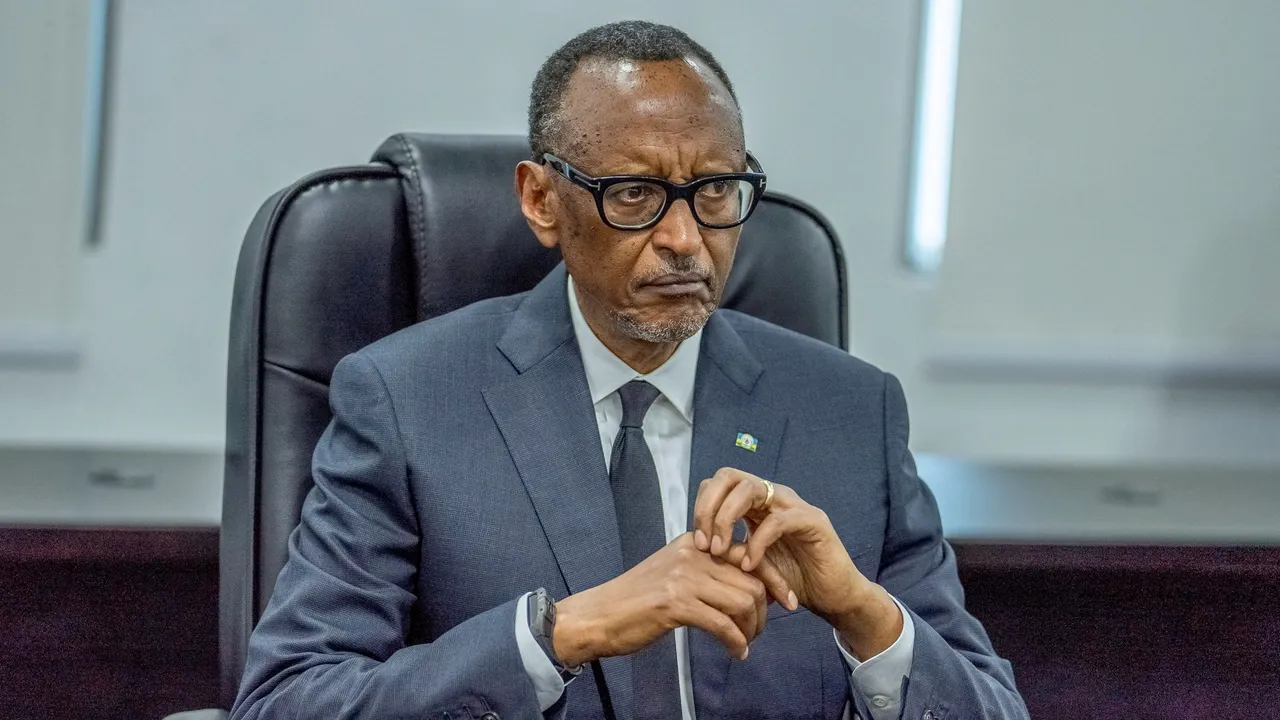
President Paul Kagame confirmed that Kigali has held preliminary discussions over taking a stake in the proposed refinery, but was careful not to present the talks as a done deal.
“It is too early to talk about the details because I think it is a work in progress. Things are still being thought out,” Kagame said during a press conference in Kigali on August 24.
“What I can say is that Rwanda would be very happy to be part of that kind of investment.”
His comments came days after Kenya disclosed that Dangote Group had offered East African governments a combined 30 per cent equity stake in the project.
Kenya is considering a 10 per cent holding worth about $500 million (KSh64.7 billion), according to David Ndii, economic adviser to President William Ruto. Rwanda and Ethiopia have been identified as potential participants in the remaining regional allocation.
The proposed regional stake is valued at about $1.5 billion (KSh194.2 billion).
For now, however, Rwanda has not committed a specific amount and no final investment agreement has been announced.
That distinction matters. Kigali’s interest is real, but it remains an expression of intent rather than a confirmed investment.
A regional refinery, not just a Kenyan project
The proposed Lamu facility is being designed on a scale far beyond Kenya’s domestic fuel needs.
Dangote plans a refinery capable of processing about 700,000 barrels of crude oil a day, making it one of Africa’s largest refining projects and broadly matching the scale of his Lagos refinery. The latest estimate puts the refinery at about $16 billion (KSh2.07 trillion), although earlier projections that included associated port and petrochemical infrastructure put the wider investment closer to $20 billion (KSh2.59 trillion).
That scale explains why Dangote is looking beyond Kenya for both capital and customers.
The refinery is intended to supply several East African markets, including landlocked countries that currently depend heavily on imported refined petroleum products.
Rwanda is one of them.
An equity stake would give Kigali an ownership interest in a major piece of regional energy infrastructure, rather than simply making Rwanda a customer of the refinery.
But there is still a major question: can the financing and regional ownership structure be settled quickly enough to keep the project on schedule?
October is the next test
Dangote has said construction is expected to begin in October 2026, putting the project closer to a physical start after years of shifting plans.
That makes the current discussions with Kenya, Rwanda and Ethiopia more than a question of political support.
The proposed regional equity package could help Dangote assemble part of the capital needed for the project while giving the countries expected to consume its fuel a direct financial interest in its success.
Kenya’s proposed $500 million (KSh64.7 billion) investment is currently the clearest commitment on the table. Rwanda and Ethiopia have expressed interest, but neither has publicly disclosed how much it would invest.
The crude question remains
The eye-catching price tag is only one part of the equation.
A refinery of this size needs a dependable supply of crude, storage, pipelines, port infrastructure and a large enough market to operate efficiently.
Kenya has oil resources in Turkana, while Uganda is also an oil producer. But Uganda is developing its crude export route through Tanzania and pursuing its own 60,000-barrel-a-day refinery, leaving questions over how much regional crude would ultimately be available to Lamu.
The refinery would therefore have to compete for crude as well as customers.
For Rwanda, the investment would also come with commercial risk. Putting money into a multibillion-dollar refinery does not guarantee cheaper petrol or diesel. Pump prices would still depend on crude prices, financing, taxes, transport and distribution costs.
For now, Kagame’s message is straightforward: Rwanda wants to be part of the project, but it has not yet signed up.
The next stage will be whether that interest becomes a cheque.
If Kenya, Rwanda and Ethiopia turn the proposed equity package into binding agreements and Dangote breaks ground in October as planned, Lamu will move from a regional infrastructure proposal to one of East Africa’s biggest energy bets.
You may also like
Category: Business
Related Video: What Dangote’s proposed Lamu oil refinery could mean for East Africa
Related Explainer: Inside Kenya’s crude supply puzzle as Dangote prepares to break ground in Lamu
 Facebook
 Twitter / X
 WhatsApp
 LinkedIn
 Telegram
 Reddit