
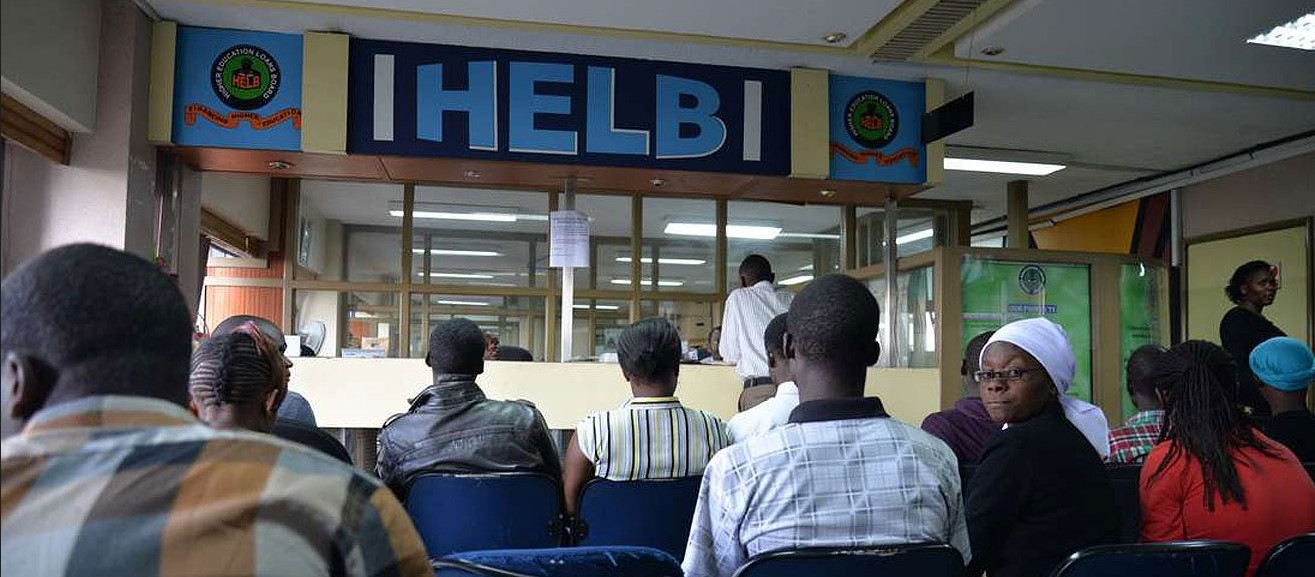
The Higher Education Loans Board (HELB) has reminded employers to remit staff loan repayments by the 15th of every month, warning that delays can attract penalties and leave employees’ loan accounts with outstanding balances.
In a public notice dated Tuesday, October 13, the board urged employers to declare deductions accurately and ensure the money reaches HELB within the required period.
“HELB deductions for your employees are due for remittance by the 15th of every month,” the board said in the notice, urging employers to keep workers’ loan accounts in good standing.
The reminder puts renewed focus on an issue that can affect employees even when they have done their part by having repayments deducted directly from their salaries.
Under HELB’s employer guidelines, businesses must notify the board when they hire a loan beneficiary, make the required deductions and remit the money by the 15th of the following month.
Employers can use the HELB Employer Portal to identify eligible employees, check their monthly deduction rates and submit repayment details. What happens when employers delay payments?
Late remittance can have financial consequences for employers. HELB says unpaid deductions attract a penalty of five per cent of the repayment amount for each month the money remains outstanding.
Section 17 of the HELB Act also sets out consequences for employers who fail to meet specified obligations. These include penalties relating to failure to deduct or remit repayments, as well as offences linked to failing to notify HELB that a loan beneficiary is in their employment without reasonable excuse.
The law’s KSh3,000 provision should not be confused with a universal flat penalty for every late payment. HELB’s published explanation links that amount to failure to notify the board of a beneficiary’s employment, with the applicable circumstances determined by the law.
For employees, the practical concern is whether deductions made on their payslips are correctly reflected in their HELB accounts. Workers should check their loan statements and raise any discrepancies with their employer and the board rather than assume that a deduction automatically means the payment has been credited.
HELB’s frequently asked questions also advise borrowers to keep track of their statements until the loan is fully repaid.
HELB collections drop by 21 per cent
The reminder comes as the student loan agency faces pressure to recover more of the money it has advanced to learners.
The Kenya National Bureau of Statistics’ Economic Survey 2026 reported that HELB loan repayments fell by 21 per cent to KSh4.1 billion in the 2025/26 financial year. Government capitation to HELB also declined, from KSh31.2 billion in 2024/25 to KSh27.3 billion in 2025/26.
The figures underline the importance of regular repayments to the funding system. HELB uses public funding and recovered loans to support students, so money that is deducted but not remitted can undermine the flow of funds back into the system.
However, the decline in collections alone does not establish how much was caused by employer delays, borrower defaults or other factors. Those causes should be distinguished before drawing conclusions about the overall repayment shortfall.
Proposed higher education funding changes
The reminder also comes amid proposed changes to how Kenya finances students in public universities and colleges.
In July, President William Ruto announced plans for full government funding for students admitted to public higher education institutions. The proposed changes were tied to legislation and parliamentary consideration, rather than being a settled replacement for the existing framework at the time of the announcement.
A separate report in August outlined proposals for a new tertiary education funding authority and changes to the institutions responsible for student financing. The eventual structure will depend on the legislation approved by Parliament.
For now, HELB’s message to employers is clear: deductions must be calculated correctly, declared and remitted within the required timeline.
For workers repaying student loans through their salaries, checking their statements remains an important safeguard against discrepancies between what has been deducted and what has reached the board.
You may also like
Category: News
Related Video: Dolly Parton’s Family Announces Her Passing in Emotional Tribute
Related Explainer: Kenya G-to-G Oil Deal Explained: How It Works, Who Supplies the Fuel and Why It Is Controversial
About the Author
Maureen Onyango is a journalist passionate about storytelling, life coaching and spiritual lessons. She studied at the Kenya Institute of Management and enjoys telling stories that inform, inspire and empower communities.
 Facebook
 Twitter / X
 WhatsApp
 LinkedIn
 Telegram
 Reddit