
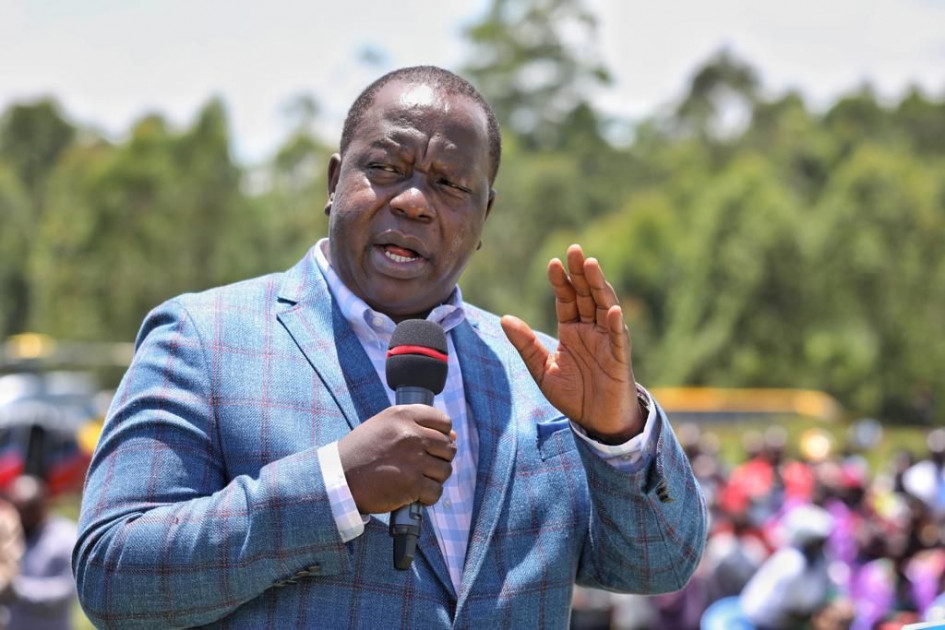
Former Interior Cabinet Secretary Fred Matiang'i has joined the growing political battle over Kenya's government-to-government petroleum import arrangement, demanding publication of the contracts and disclosure of the companies involved.
The controversy intensified after Ugandan President Yoweri Museveni publicly revisited concerns over middlemen in the regional petroleum trade.
Matiang'i, now a Jubilee Party deputy leader, says Kenyans should be told who benefited from the arrangement and how participating companies were selected.
Government allies have defended the programme and accused opponents of misrepresenting its purpose.

But there is a bigger public-interest question than the political exchanges.
Kenya introduced the G-to-G petroleum arrangement in 2023 amid severe pressure on foreign exchange reserves. Instead of Kenyan oil marketing companies immediately paying suppliers in US dollars, the system was designed to provide extended credit terms for fuel imported from Gulf suppliers.
The government argued that this would reduce the immediate demand for dollars and ease pressure on the shilling.
The arrangement has since become politically contentious, particularly over the role of private oil marketing companies and whether the programme delivered sufficient savings to consumers.
That makes the most useful question for households simple: if the arrangement was supposed to improve petroleum supply and ease foreign exchange pressure, what did motorists ultimately gain?
A strong LiveNow investigation should separate three issues frequently mixed together in political speeches: the international supplier agreements, the Kenyan oil companies involved in importing and distributing fuel, and the retail price ultimately paid at the pump.
You may also like
Category: News
Related Video: Murkomen Says Kenya Is Safe: “Stop Creating a Crisis” | Political Goons & Security Under Scrutiny
Related Explainer: Kenya G-to-G Oil Deal Explained: How It Works, Who Supplies the Fuel and Why It Is Controversial
 Facebook
 Twitter / X
 WhatsApp
 LinkedIn
 Telegram
 Reddit