
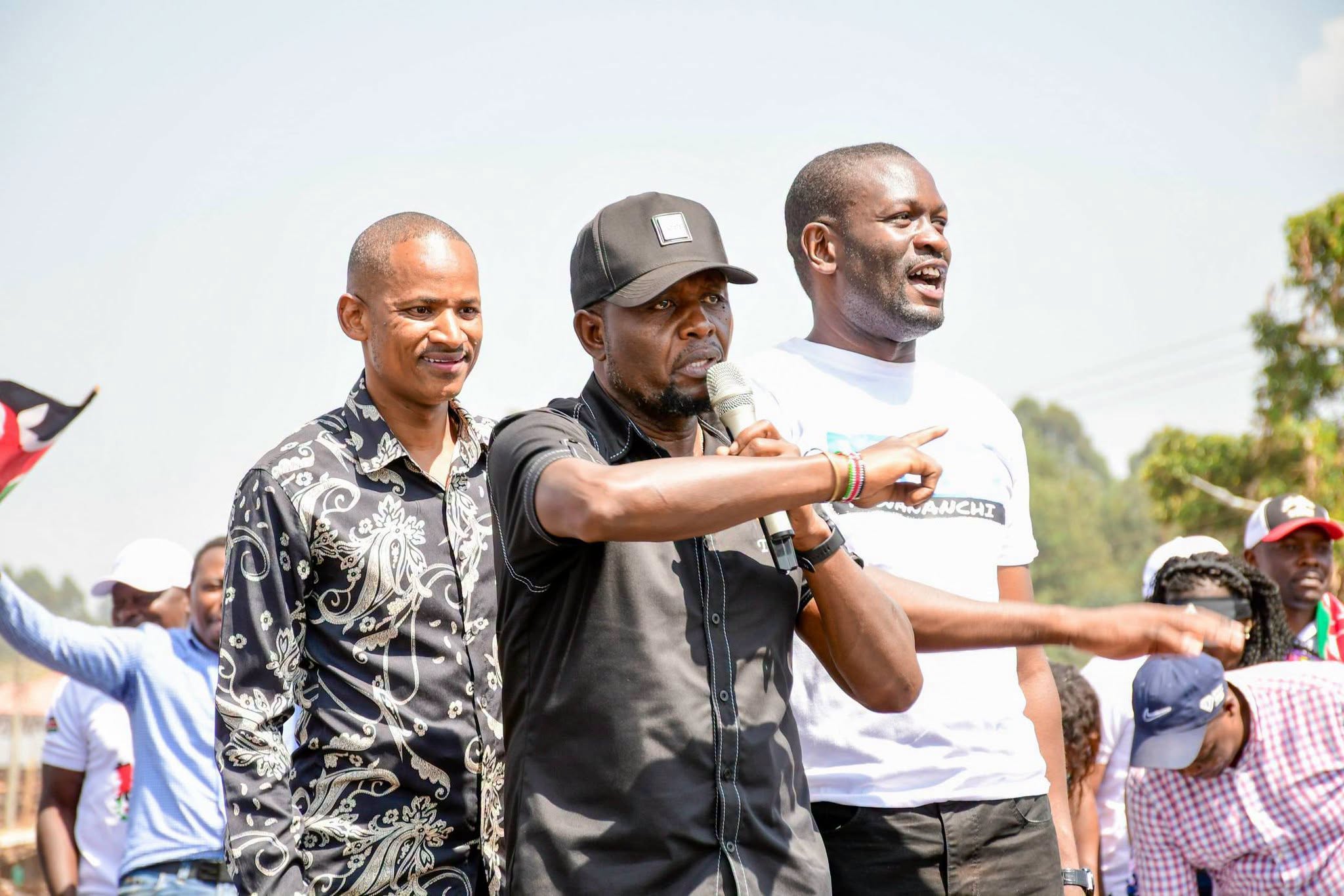
A movement that has brought together some of Kenya's most visible opposition politicians is facing questions about its leadership, organisation and political future as preparations for the 2027 election gather pace.
Linda Mwananchi has provided a platform for politicians including Nairobi Senator Edwin Sifuna and other opposition figures.
But public comments from people associated with the movement have exposed disagreements over its direction.
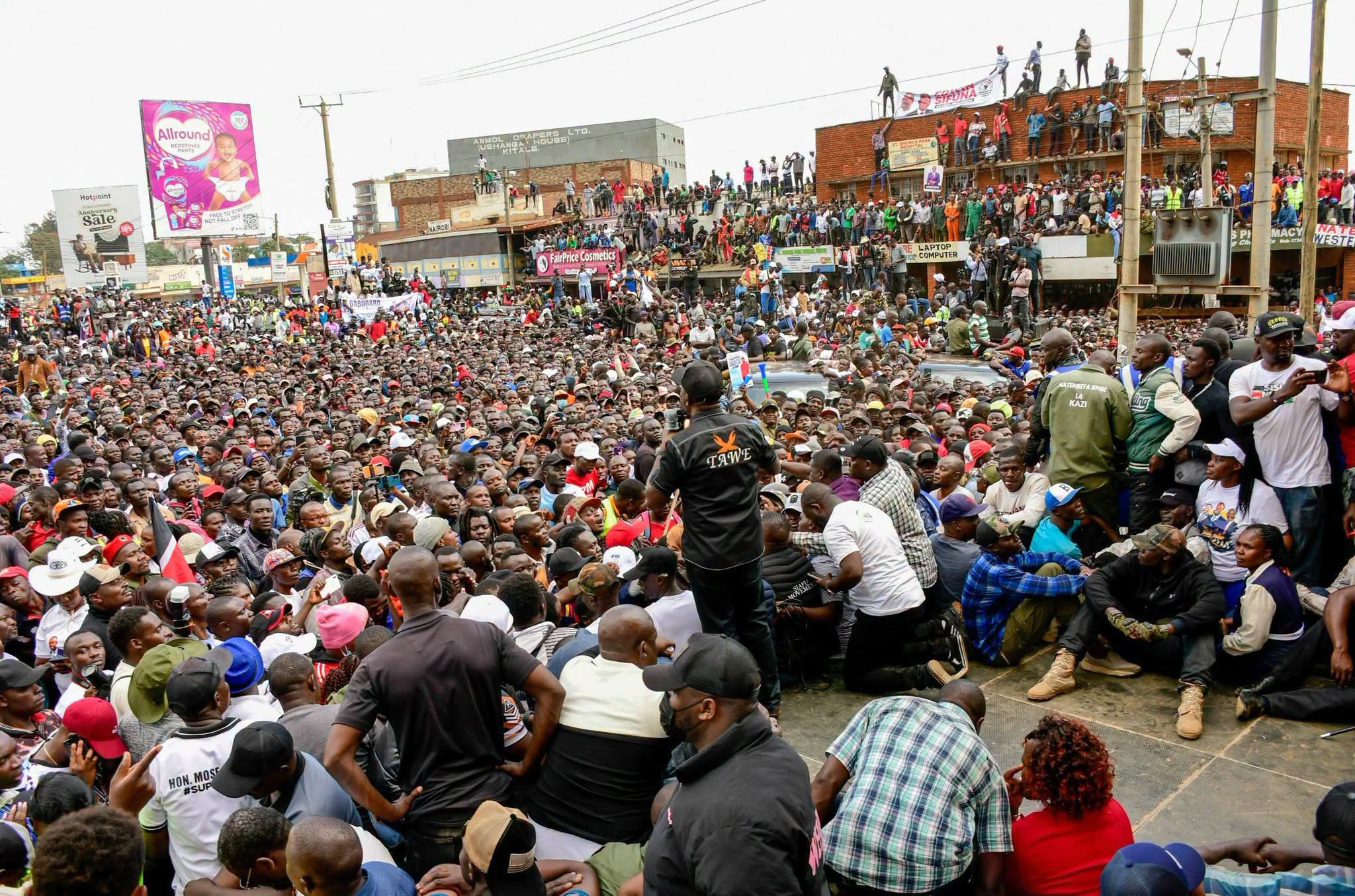

Kisii Senator Richard Onyonka has said Linda Mwananchi will continue even if Sifuna is absent, amid wider reports of internal tensions within the movement.
Those tensions coincide with a separate question: what formal political vehicle would politicians associated with the movement use in 2027?
That question became more complicated after the Registrar of Political Parties rejected a proposed Ukombozi-branded name for the United Democratic Party because of its similarity to another reserved political identity.
The developments matter because a political movement and a registered political party are not the same thing.
A movement can organise rallies, develop a political message and mobilise supporters.
But candidates seeking elective office ultimately have to comply with Kenya's electoral and political-party laws, whether through registered parties or other legally permitted routes.
That requires decisions about party structures, nominations and candidate selection.
Linda Mwananchi's leaders therefore face choices that cannot indefinitely be resolved through rallies alone.
There are also questions about how the movement relates to established opposition parties and coalitions.
Several politicians associated with opposition politics retain positions or relationships within existing political parties.
That creates potential tension between building a new political identity and maintaining existing party structures.
None of those developments establishes who will ultimately contest the presidency or any other office in 2027.
Public political declarations remain distinct from formal nomination processes, and alliances can change before an election.
But the electoral timetable is becoming increasingly relevant.
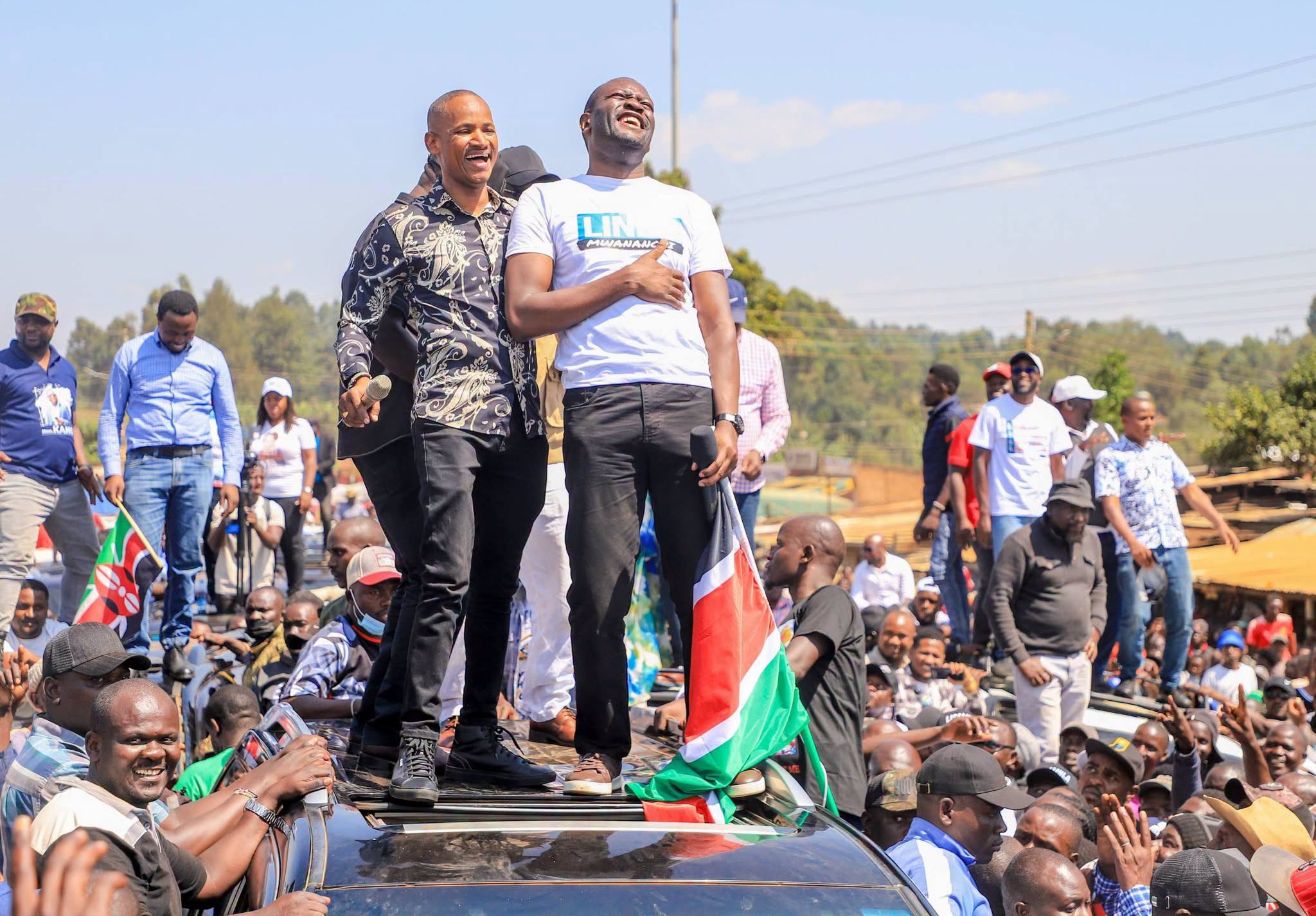
IEBC is already preparing for the General Election scheduled for August 10, 2027.
Parties intending to field candidates must eventually move from broad political mobilisation to formal processes governed by election law.
The Ukombozi naming dispute illustrates another challenge.
Political branding has legal consequences.
A proposed party name cannot simply be adopted because supporters like it. The Registrar must consider existing and reserved party identities and other statutory requirements.
That makes the debate around Linda Mwananchi bigger than whether one leader is gaining or losing influence.
The more important questions are institutional.
Who makes decisions within the movement?
Does it intend to become a party, work through an existing party or enter a coalition?
How will candidates be chosen?
And how will disagreements among prominent members be resolved?
Those questions are common when political movements attempt to transition from protest or mobilisation platforms into election organisations.
Kenya's political history also shows that alliances can change substantially in the months before a General Election.
For that reason, current disagreements should not automatically be treated as proof that Linda Mwananchi will collapse, nor should rallies be treated as evidence that it has already established a durable electoral organisation.
Both conclusions would run ahead of the evidence.
For now, Linda Mwananchi has political visibility.
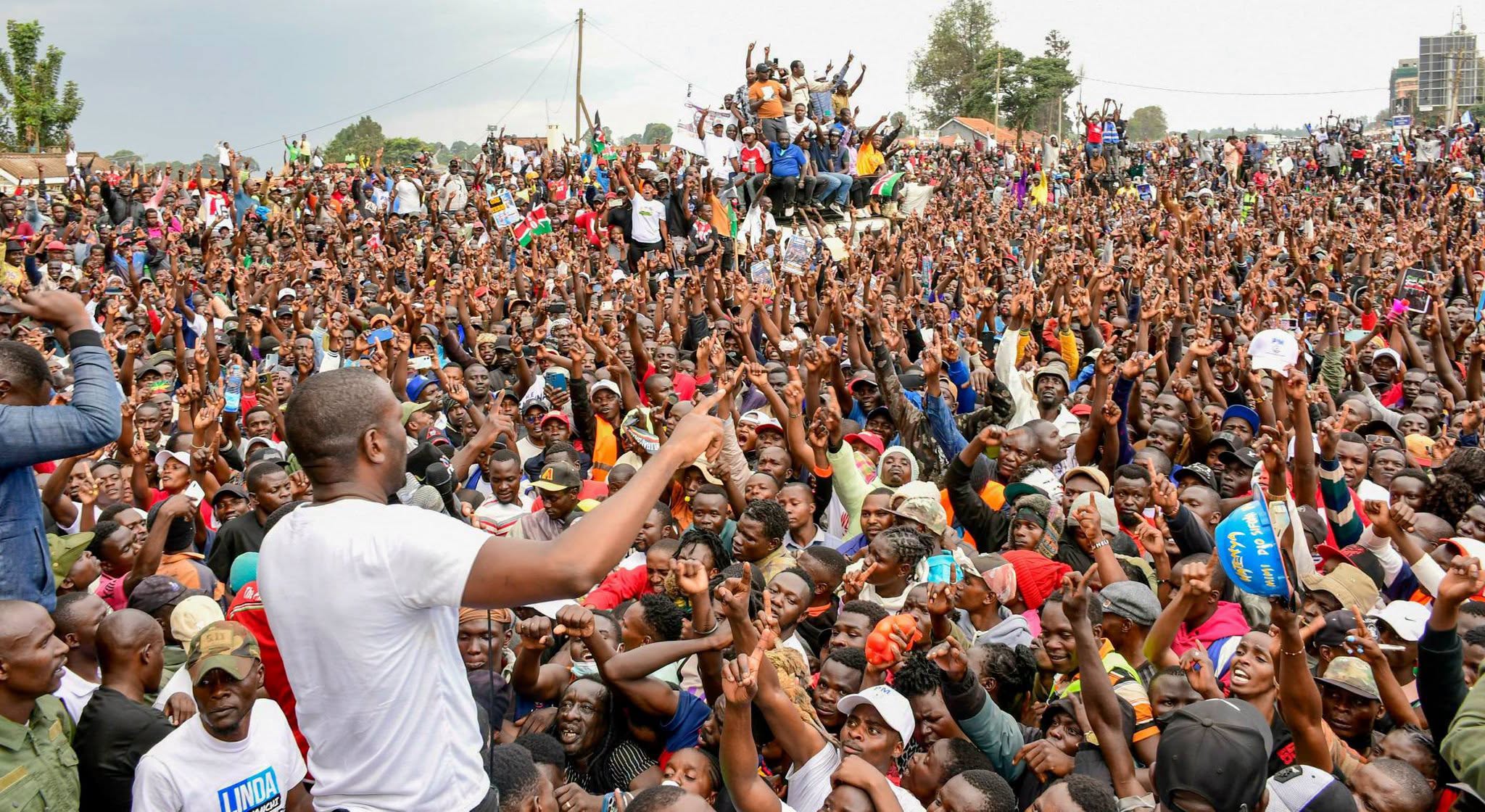
The next test is whether that visibility can be translated into an agreed structure for 2027.
You may also like
Category: Politics · Related Topic: 2027 Elections
Related Video: Murkomen Says Kenya Is Safe: “Stop Creating a Crisis” | Political Goons & Security Under Scrutiny
Related Explainer: Kenya’s inflation holds near 30-month high as transport and food costs squeeze households
 Facebook
 Twitter / X
 WhatsApp
 LinkedIn
 Telegram
 Reddit