Kenya is facing a multibillion-shilling shortfall in the money required to fight tuberculosis, raising concerns about how the country will maintain testing, treatment and prevention as pressure on international health funding grows.
Anti-TB organisations say the financing gap is about Sh5 billion and are pushing for greater domestic investment.
The figure may sound like another health-budget statistic.
Its consequences are more personal.

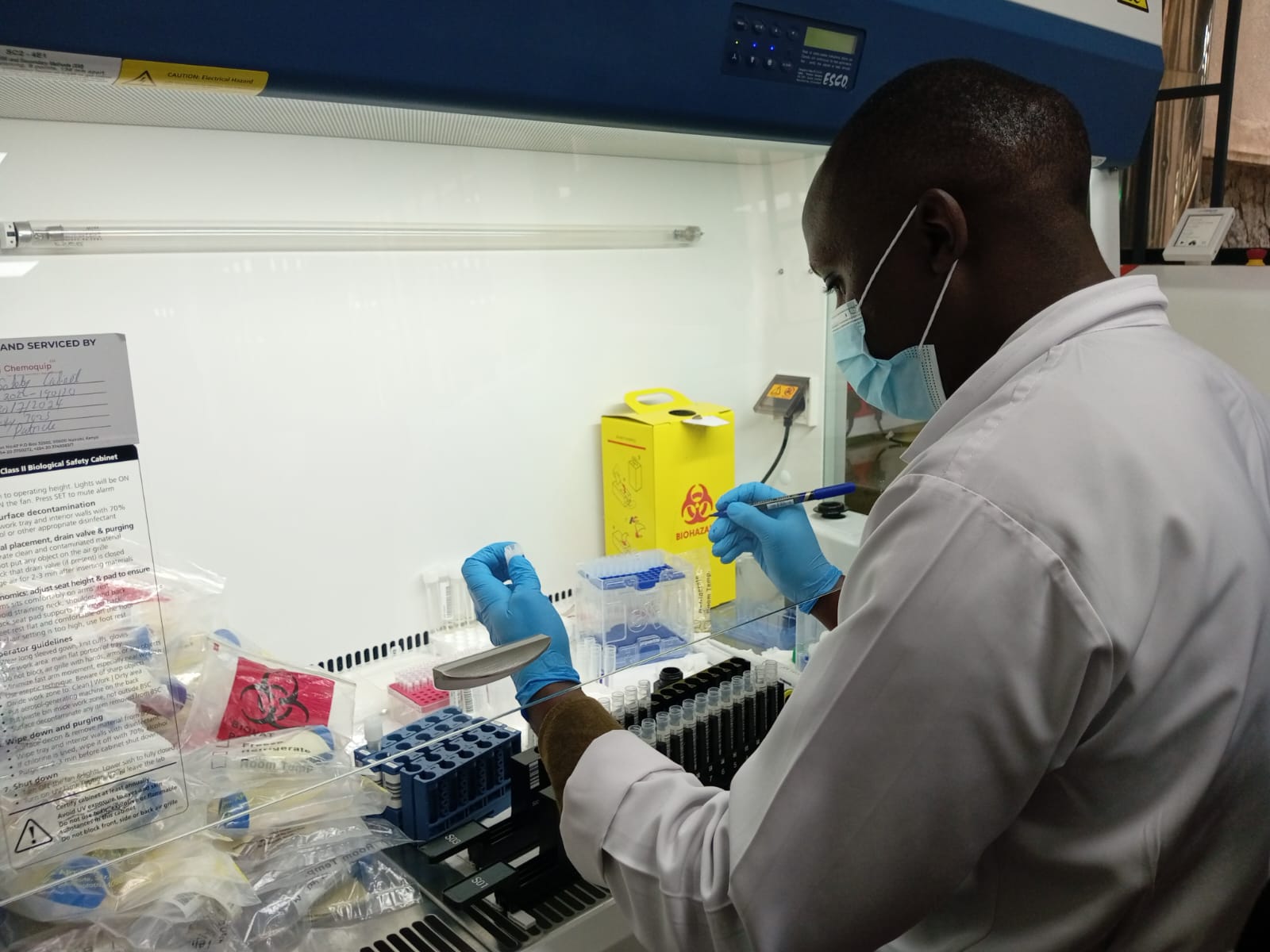
TB programmes need money to find people with symptoms, test them, provide medication, trace contacts and monitor whether treatment is working.
If one part of that chain weakens, people can remain infectious for longer.
Kenya continues to carry a substantial TB burden.
The Ministry of Health says 90,900 people were diagnosed and started on treatment in 2025, representing about 81% of the country's estimated burden.
That means a significant number of people with TB were still being missed.
Health Cabinet Secretary Aden Duale said during World TB Day commemorations in March that closing the diagnosis and treatment gap remained a government priority.
International figures put the financing challenge in an even wider context.
WHO's Global Tuberculosis Report recorded Kenya among the high-burden countries reporting some of the world's largest TB financing gaps in 2025, estimating the shortfall then at $94 million.
The exact figures can differ depending on the period, programme and definition being measured, but they point in the same direction: Kenya's TB ambitions are not fully funded.
For decades, major infectious-disease programmes across Africa have depended heavily on international donors.
Kenya is now confronting the risks of that model as global aid becomes less predictable.
The Ministry of Health has been discussing its next Global Fund grant cycle covering HIV, TB and malaria while simultaneously stressing greater domestic financing.
Why is continuity particularly important with TB?
Because treatment takes time.
A patient cannot safely be treated only when funding is available.
Interrupted diagnosis or medication risks poorer health outcomes and can complicate efforts to control drug-resistant TB.
There are also economic consequences.
TB can affect people during their most economically productive years. Illness can mean lost working days, transport expenses for clinic visits and additional pressure on families already struggling with household costs.
The financing debate therefore reaches well beyond hospitals.
Kenya has made significant progress in identifying and treating TB patients, but the Ministry's own figures show that not everyone with the disease is being reached.
Closing that gap requires more rather than less capacity.
The immediate policy question is consequently not simply whether Kenya can replace every shilling of external funding.
It is which TB services the government considers essential enough to protect regardless of what donors do.
For a patient coughing at home without knowing they have tuberculosis, that decision can determine how quickly they are diagnosed.
For everyone around them, it can determine whether transmission continues.
Category: News
Related Video: Human Ladder Reaches Dangerous Heights as Climbers Keep Going
Related Explainer: Kiharu Technical College September Intake 2026: Courses, Skills and New Opportunities
 Facebook
 Twitter / X
 WhatsApp
 LinkedIn
 Telegram
 Reddit