
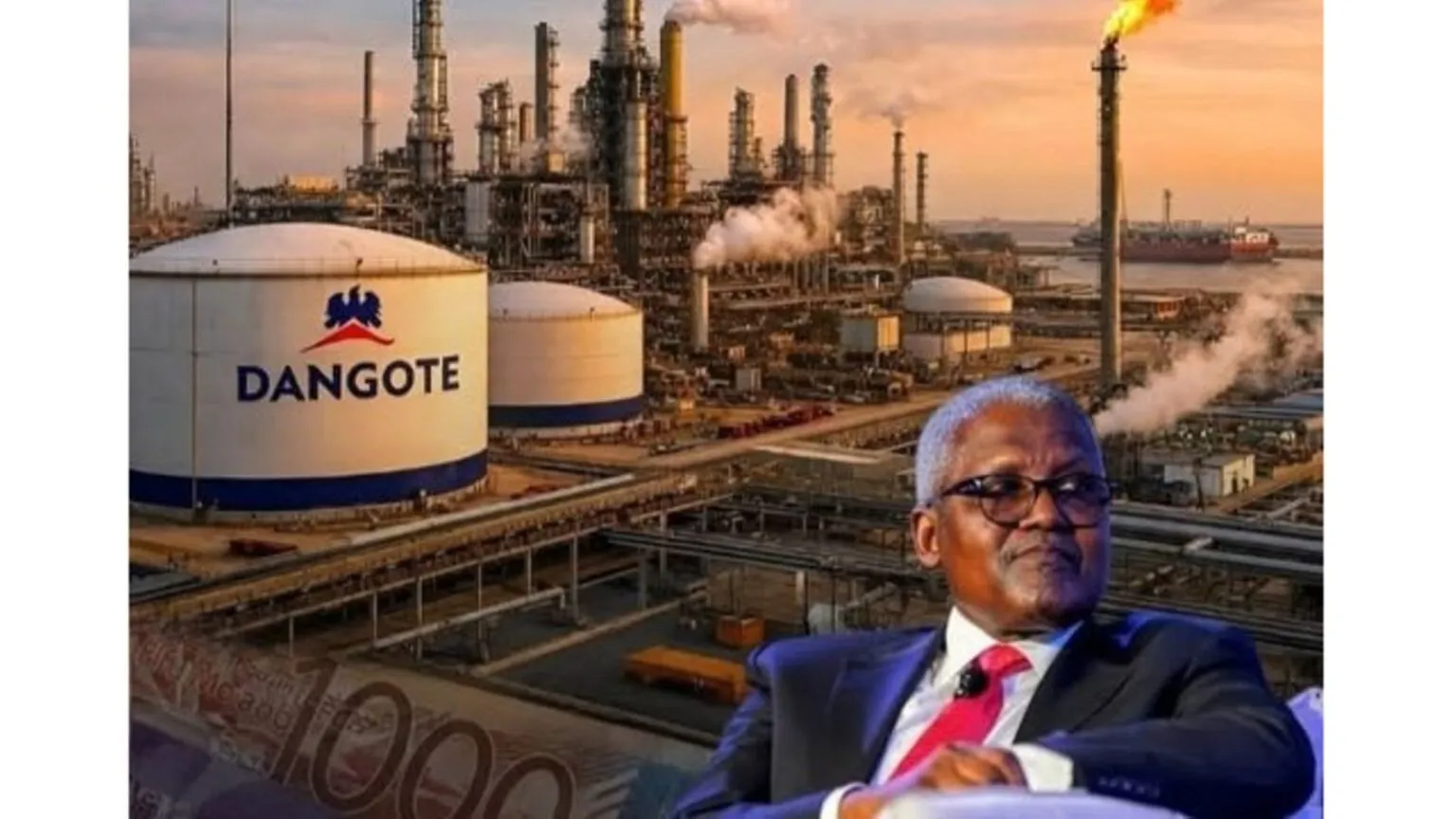
Kenya is preparing to break ground on one of the largest private industrial investments proposed in East Africa, with Aliko Dangote's giant Lamu oil refinery scheduled for launch on September 30.
The planned refinery would process about 700,000 barrels of crude oil a day and cost an estimated $15 billion to $17 billion, equivalent to roughly Sh2 trillion at current exchange rates.
Preparations for the groundbreaking have intensified, with Lamu County Commissioner Stephen Sangolo saying authorities expect as many as 14 heads of state and about 2,000 attendees at the ceremony.
President William Ruto has also held talks with Dangote and Africa Finance Corporation chief executive Samaila Zubairu in New York on financing and final preparations for the project.

If completed, the refinery could fundamentally change Kenya's relationship with imported fuel.
Kenya currently imports refined petroleum products, leaving the economy exposed to global refinery prices, shipping disruptions and foreign-exchange requirements.
A large refinery at Lamu could instead import crude oil, process it locally and supply Kenya and neighbouring markets with petrol, diesel, jet fuel and other petroleum products.
But breaking ground is the easier part.
The proposed plant faces a fundamental question: where will 700,000 barrels of crude oil every day come from?
Kenya does not currently produce crude commercially at anything close to that scale.
Uganda is developing its oil industry, while South Sudan is already an oil producer, but moving sufficient crude from inland East Africa to Lamu would require dependable pipelines and other infrastructure.
Reuters has identified crude supply as one of the biggest execution risks facing the project.
Without sufficient regional crude, the refinery could depend heavily on oil delivered by tanker from international markets.
Financing is another challenge.
A $15 billion-plus project is enormous even by global refining standards. Dangote is simultaneously pursuing major energy investments elsewhere, meaning the capital structure will be closely watched.
The Lamu location nevertheless offers important advantages.
Its deep-water port can receive large vessels, while the wider LAPSSET corridor was conceived to connect Lamu with South Sudan and Ethiopia.
A refinery could attract storage facilities, petrochemical industries, logistics companies and manufacturing around the port.
The government says the wider development could create more than 60,000 jobs, about half of them skilled.
Such projections should be distinguished from permanent refinery employment. Large infrastructure projects typically require substantial construction labour before operating with a smaller long-term workforce.
Local communities are already asking how much of the promised economic activity will remain in Lamu.
Environmental questions are equally important.
Lamu has sensitive coastal and marine ecosystems, while Lamu Old Town is a UNESCO World Heritage Site. Environmental groups have raised concerns about pollution, industrial development and potential effects on fishing and local livelihoods.
Then there is the question motorists will care about most: will the refinery make petrol cheaper?
Potentially reducing reliance on imported finished petroleum could alter Kenya's fuel economics, but a local refinery does not guarantee cheap fuel.
Crude oil still has to be purchased. Refining costs money. Financing must be repaid. Transport, margins, taxes and levies would continue to influence pump prices.
The refinery's real economic test will therefore be more complicated than whether petrol falls by a few shillings.
Kenya will need to establish whether refining locally creates more value than importing finished products.
September 30 will mark the ceremonial beginning.
Reaching commercial production around 2030 will be the much harder journey.
You may also like
Category: Business
Related Video: Dolly Parton’s Family Announces Her Passing in Emotional Tribute
Related Explainer: Kenya G-to-G Oil Deal Explained: How It Works, Who Supplies the Fuel and Why It Is Controversial
About the Author
Persil Telewa is a media and communications professional, TV host, moderator and trainer passionate about storytelling that informs, inspires and creates meaningful engagement. With experience in digital marketing, audience engagement and professional training, Persil brings energy, clarity and strong communication skills to every platform. Her work connects people, ideas and opportunities, empowering diverse audiences through compelling conversations and impactful storytelling.. www.persiltelewa.com
 Facebook
 Twitter / X
 WhatsApp
 LinkedIn
 Telegram
 Reddit