
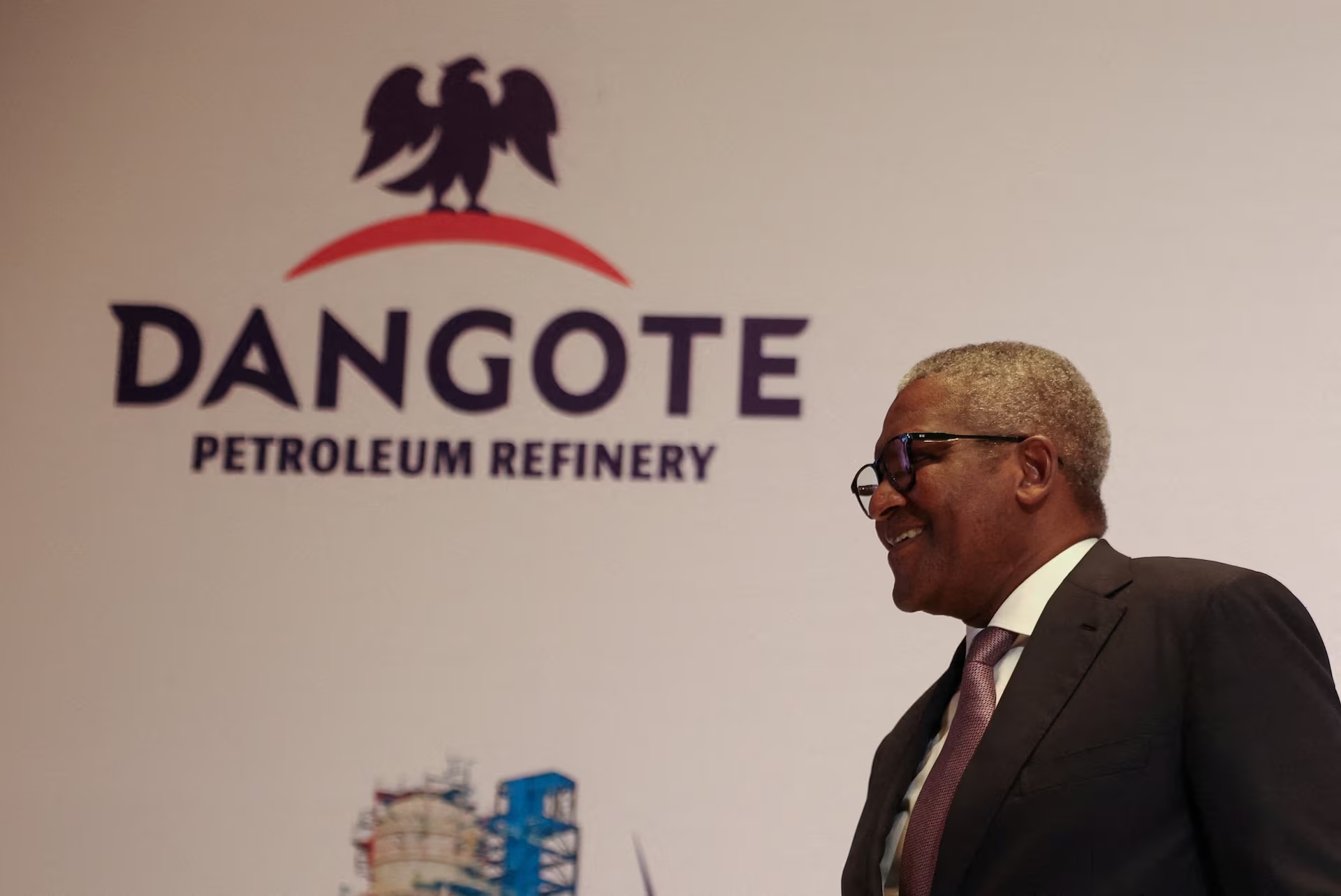
Africa’s richest industrialist wants to build one of the continent’s biggest oil refineries in Kenya.
There is just one fundamental problem.
Kenya does not currently produce commercial quantities of crude oil.
Aliko Dangote’s proposed Lamu refinery would process about 700,000 barrels of crude every day, according to Reuters, and could cost between $15 billion and $16 billion, roughly Sh2 trillion at current exchange rates.
A groundbreaking ceremony is planned for later this month, with completion targeted for 2030.
The scale is extraordinary.
For comparison, Kenya currently imports its refined petroleum requirements. A refinery of this size could theoretically turn the country into a major regional fuel-processing and export hub.
But refineries cannot operate without crude.
Reuters identifies several possible sources.
South Sudan has oil but its exports depend on vulnerable infrastructure running through Sudan, where conflict has repeatedly threatened supply.
Uganda is developing its petroleum industry, but its own production and infrastructure plans have already been allocated around domestic refining and export strategies.
Kenya itself discovered oil in Turkana years ago, but has yet to begin sustained commercial production.
That leaves international seaborne crude.
Lamu’s deep-water port makes importing oil by tanker possible, but it would expose the refinery to international crude prices, shipping costs and geopolitical disruptions.
That risk is particularly visible this week.
Brent crude crossed $100 a barrel on Wednesday as US-Iran fighting and attacks on shipping intensified around the Strait of Hormuz.
Funding presents another challenge.
Dangote is pursuing a huge portfolio of energy investments and will need to raise substantial capital.
Infrastructure around Lamu will also need to support storage, pipelines, utilities and logistics at an enormous scale.
Environmental questions are likely to be significant too. Lamu contains sensitive marine ecosystems and the UNESCO-listed Lamu Old Town is nearby.
President Ruto supports the project because of its potential to reduce Kenya’s reliance on imported refined fuel and create industrial jobs.
The economic opportunity is clear.
But so is the central contradiction.
Kenya may be preparing to build a refinery capable of processing hundreds of thousands of barrels every day before it has secured where those barrels will reliably come from.
That makes crude supply, rather than construction, perhaps the most important question surrounding the project.
You may also like
Category: Business
Related Video: What Dangote’s proposed Lamu oil refinery could mean for East Africa
Related Explainer: Inside Kenya’s crude supply puzzle as Dangote prepares to break ground in Lamu
 Facebook
 Twitter / X
 WhatsApp
 LinkedIn
 Telegram
 Reddit