
President William Ruto has responded to demands for disclosure of the agreement underpinning the Sh2.2 trillion Dangote refinery in Lamu, telling lawmakers to use parliamentary procedures to obtain the documents.
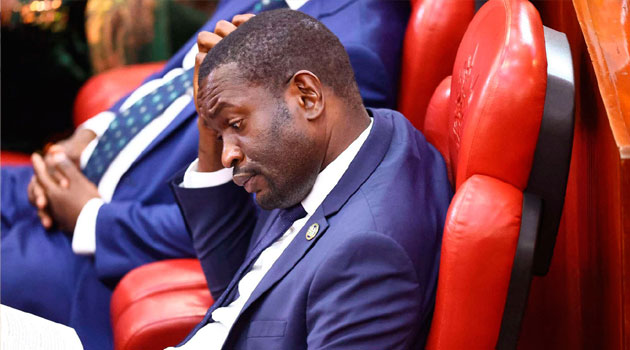
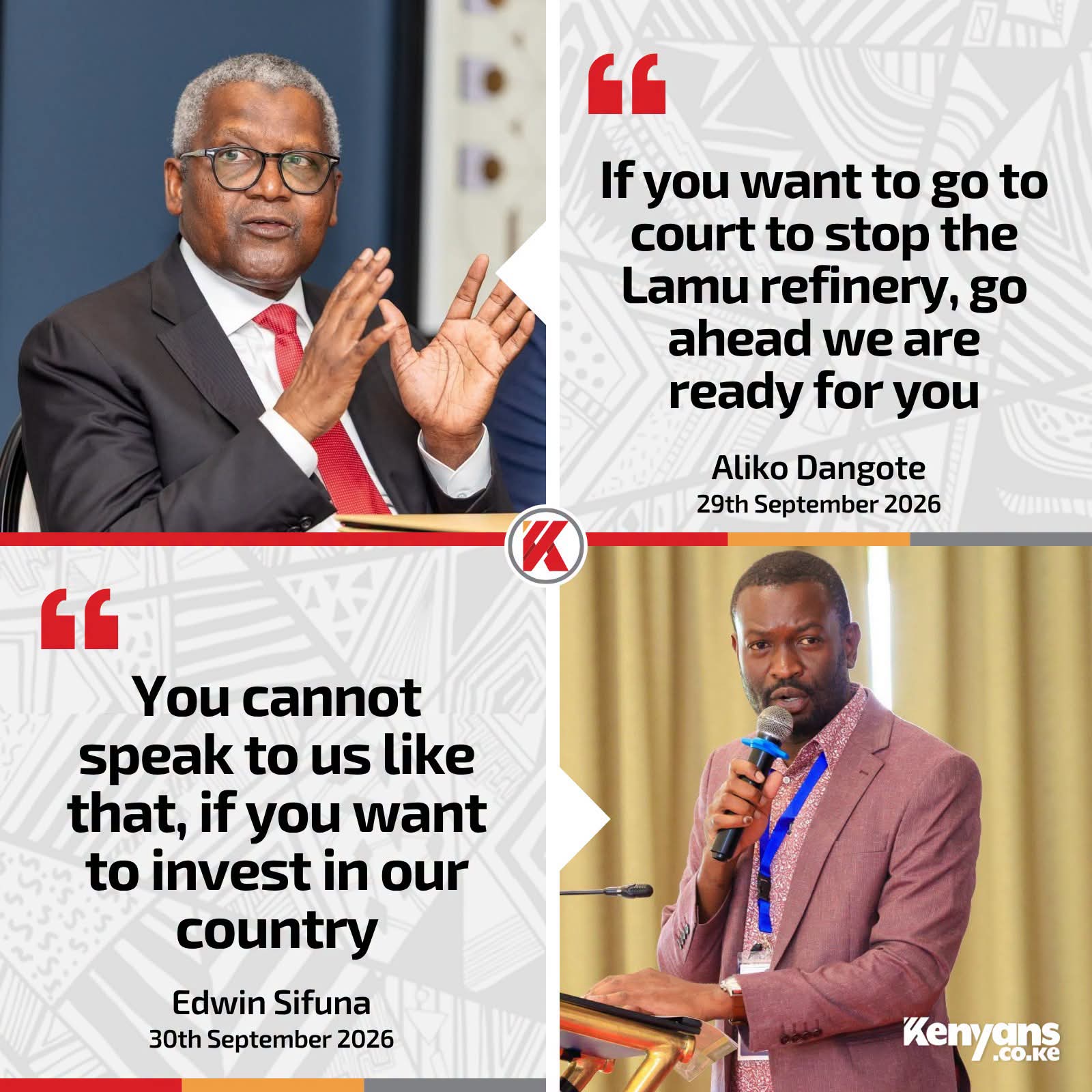
The President spoke after Nairobi Senator Edwin Sifuna questioned why Parliament had not been shown the agreement between the Kenyan government and Dangote Group.
Sifuna has sought clarity on the commitments made by Kenya in facilitating the massive refinery and petrochemical development.
Ruto said Parliament has established mechanisms through which legislators can formally request government agreements.
The exchange shifts debate surrounding the refinery from the size and economic promise of the investment to transparency over the terms negotiated between the government and the private investor.
The project was formally launched in Lamu on Wednesday in a ceremony attended by several African leaders and Nigerian industrialist Aliko Dangote.
The proposed complex is expected to cost about $16 billion, equivalent to more than Sh2 trillion, and is designed to process approximately 700,000 barrels of crude oil per day.
Construction is expected to take around 40 months.
The government has promoted the project as a major step towards reducing East Africa’s dependence on imported refined petroleum products while transforming Lamu into an industrial and energy hub.
President Ruto has said construction could support tens of thousands of direct and indirect jobs.
However, the project has also generated questions about land, government commitments, environmental approvals, ownership and the incentives granted to investors.
Those questions are becoming more prominent as the refinery moves from announcement to implementation.
For Parliament, the issue could now become one of oversight.
Legislators have constitutional responsibilities relating to public finance and scrutiny of government actions, particularly where agreements could create financial obligations for the State.
The government, meanwhile, maintains that concerns should be addressed through established legal and parliamentary channels.
The refinery is one of the largest private industrial investments proposed in Kenya’s history.
That scale means scrutiny is likely to increase rather than diminish as construction progresses.
The government will be expected to demonstrate the economic benefits of the project while addressing questions surrounding public obligations, environmental safeguards and affected communities.
Sifuna's demand therefore opens another front in the national debate.
The question is no longer simply whether Kenya needs the refinery.
It is also what Kenya agreed to in order to secure it and what obligations, if any, taxpayers and public institutions will assume over the project's lifetime.
You may also like
Category: Politics · Related Topic: William Ruto
Related Video: What Dangote’s proposed Lamu oil refinery could mean for East Africa
Related Explainer: Inside Kenya’s crude supply puzzle as Dangote prepares to break ground in Lamu
 Facebook
 Twitter / X
 WhatsApp
 LinkedIn
 Telegram
 Reddit