
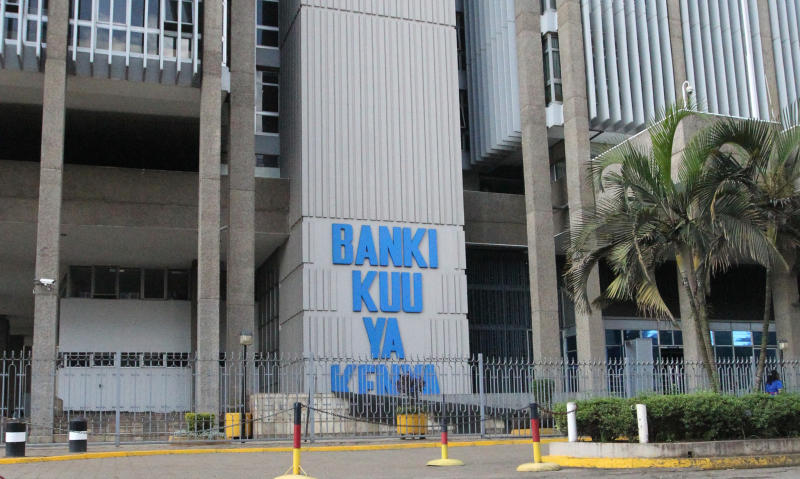
The Central Bank of Kenya could acquire significantly stronger powers over mobile-money operators, payment companies and fintech firms under proposed legislation designed to overhaul regulation of Kenya’s rapidly expanding digital payments industry.
The National Payment System Bill, 2026 proposes giving authorised CBK officials power to enter and inspect the premises of payment service providers and payment system operators, with or without prior notice.
Inspectors would be allowed to examine records, interview employees and access computer systems and data where necessary to determine whether companies are complying with the law.
The proposed legislation goes further.
CBK could direct a regulated company to remove an officer or employee where the regulator determines that the individual contributed to a violation of the law or deterioration in the company’s financial stability.
Companies would also be legally required to cooperate with inspections.
Obstructing authorised officials, refusing to provide required records or supplying false or misleading information could constitute an offence.
The proposals represent a major regulatory shift for an industry that has become central to Kenya’s economy.
Mobile money is now used for everything from ordinary person-to-person transfers to salaries, shopping, government payments, savings, credit and business transactions.
The ecosystem has also expanded beyond telecommunications companies.
Banks, fintech firms, payment gateways and specialised payment providers increasingly handle billions of transactions between consumers and businesses.
The growth has created new regulatory challenges around cybersecurity, consumer protection, financial stability, interoperability and the handling of customer funds.
Under the proposed framework, CBK would conduct both on-site inspections and off-site surveillance of payment companies.
It would also be able to undertake consolidated supervision where a payment provider forms part of a larger corporate group.
The legislation comes as Kenya considers broader changes to its digital payments architecture, including greater interoperability and open-finance requirements.
Those changes could eventually make it easier for customers to move money and access services across competing banks, mobile wallets and fintech platforms.
The debate will inevitably involve balancing two priorities.
Kenya wants to preserve the innovation that helped make it one of the world’s most recognised mobile-money markets.
At the same time, regulators must ensure companies entrusted with customers’ money are financially sound and operate within clear rules.
The Bill will therefore be closely watched by Safaricom, Airtel Money, banks, fintech companies, consumer groups and investors.
If enacted in its current form, it would significantly strengthen CBK’s ability to intervene directly when problems emerge inside companies handling Kenya’s digital payments.
You may also like
Category: Business
Related Video: Murkomen Says Kenya Is Safe: “Stop Creating a Crisis” | Political Goons & Security Under Scrutiny
 Facebook
 Twitter / X
 WhatsApp
 LinkedIn
 Telegram
 Reddit