
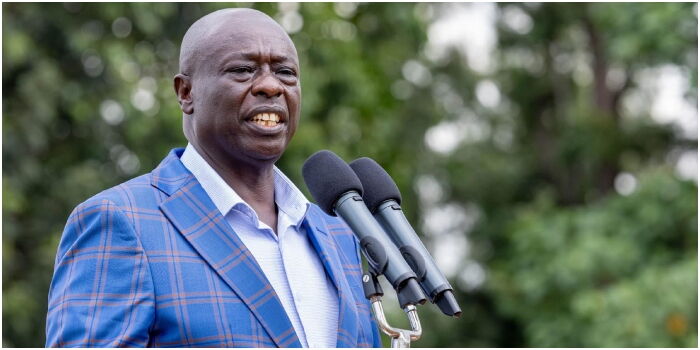
A group of leaders from the Mount Kenya region, led by Deputy President Rigathi Gachagua, is advocating for the 'One Man, One Vote, One Shilling' formula for distributing national resources. This proposal suggests that population should be the primary criterion for resource allocation to counties.
Background
The 'One Man, One Vote, One Shilling' formula was initially proposed as part of the Building Bridges Initiative (BBI), supported by former President Uhuru Kenyatta and former Prime Minister Raila Odinga. The formula's proponents argue that revenue should be allocated based on the population rather than landmass, ensuring that more populous areas receive a fair share of resources.
Current Formula
The current revenue-sharing framework considers eight parameters:
- Basic share (20%)
- Population (18%)
- Health (17%)
- Poverty level (14%)
- Agriculture (10%)
- Roads (8%)
- Land (8%)
- Urbanization (5%)
Advocacy and Opposition
Deputy President Gachagua, during a fundraiser in Samburu, reaffirmed his support for the formula, dismissing critics and advocating for equality in revenue allocation. Githunguri MP Gathoni Wamuchomba has also been a vocal supporter, emphasizing that resources should be allocated to people rather than land.

However, the proposal faces significant opposition. Critics argue that it deviates from the spirit of the 2010 Constitution, which prioritizes equality and equitable development. Legal experts, such as those from the Katiba Institute, and governance professionals like Philip Mwangale, contend that the formula is unconstitutional and promotes inequality.
Legal Perspective
The 2010 Constitution of Kenya emphasizes equality for all, as stated in Article 81. It outlines principles of public finance aimed at promoting an equitable society, ensuring that revenue is shared fairly among national and county governments.
Governance expert Philip Mwangale argues that the 'One Man, One Vote, One Shilling' proposal contradicts Article 203 of the Constitution, which guarantees equitable resource sharing. Mwangale points out that while equity involves fair processes to achieve fairness, equality is the ultimate goal. He stresses that Kenya's diverse population requires a focus on equity to ensure fair development across regions.
Conclusion
The 'One Man, One Vote, One Shilling' formula remains a contentious issue, primarily supported by Mount Kenya leaders. Critics label it as a self-serving initiative that overlooks the broader need for equitable development. Before implementing such a plan, proponents must ensure that the benefits of resource allocation match the burdens of taxation and public expenditure.
You may also like
Category: News
Related Video: Beyond Aid: How Japan Is Shaping Kenya’s SME Future | JICA Training Experience
 Facebook
 Twitter / X
 WhatsApp
 LinkedIn
 Telegram
 Reddit