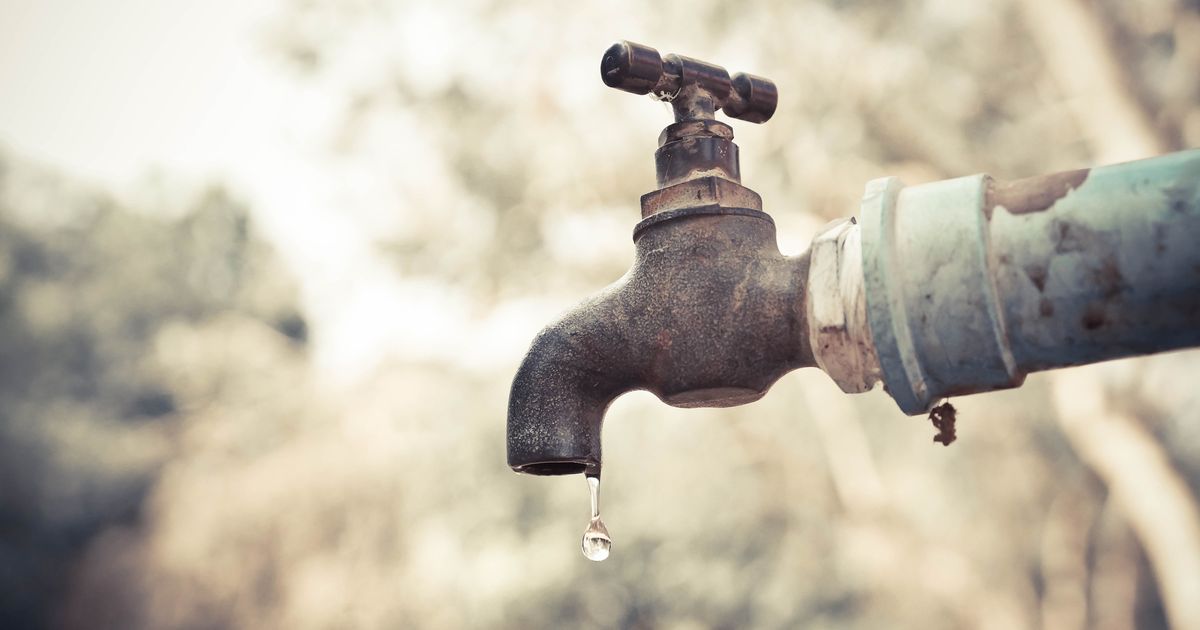
Residents of Nairobi and neighbouring counties should prepare for longer periods without piped water after Nairobi City Water and Sewerage Company cut production at two major treatment plants by 35 per cent.
The reduction, which took effect on Monday, November 9, follows falling water levels at Thika’s Ndakaini Dam after below-average rainfall in its catchment area.
The utility warned that the cut would extend rationing periods for customers supplied by seven water companies serving Nairobi and parts of Kiambu, Kajiado and Machakos counties.
In a public notice, Nairobi Water said declining storage at the dam had forced it to reduce the amount of water drawn for treatment.
“Reduced water inflows have necessitated a temporary reduction in water abstraction to preserve the available reserves and ensure continued supply over the coming months,” the company said.
The affected treatment plants are Ngethu and Kigoro. The 35 per cent figure refers to reduced production at these facilities, not a confirmed 35 per cent cut in every household’s water supply.
Seven water companies affected
The impact will extend beyond Nairobi because several neighbouring utilities depend on water from the Ndakaini supply system.
The seven affected providers are:
-
Nairobi City Water and Sewerage Company, serving Nairobi.
-
Kiambu Water and Sanitation Company.
-
Githunguri Water and Sanitation Company.
-
Karuri Water and Sanitation Company.
-
Mavoko Water and Sewerage Company, serving parts of Machakos County.
-
Olkejuado Water and Sewerage Company, serving parts of Kajiado County.
-
Oloolaiser Water and Sewerage Company, serving parts of Kajiado and Nairobi.
This means the disruption will affect customers in specific service areas rather than every part of the four counties.
Nairobi Water has urged customers to use available supplies carefully as it monitors the dam and reviews production levels.
The company has not announced a definite date for the restoration of normal production. It says adjustments will depend on water levels and weather conditions.
Why Ndakaini Dam matters to Nairobi
Ndakaini Dam, also known as Thika Dam, is a major source of bulk water for Nairobi and neighbouring areas.
Water from the dam is channelled to treatment facilities, including Ngethu and Kigoro, before being distributed through the supply network.
When inflows decline, the utility faces pressure to balance the amount of water it releases with the reserves available for future use.
Nairobi Water says the production cut is intended to conserve the remaining reserves and support supply over the coming months.
For households, however, reduced production means the available water must be shared across a large customer base. This can result in longer intervals between supply days and greater pressure on households and businesses that rely on piped water.
Why the water shortage comes as Kenya expects more rain
The warning comes at a time when the Kenya Meteorological Department is forecasting above-average rainfall across much of the country during the October-December 2026 short-rains season.
The national outlook expects enhanced rainfall in more than 80 per cent of the country, covering 44 counties. Nairobi, Kiambu, Kajiado and Machakos are among the areas expected to receive above-average rainfall.
At first glance, the forecast may appear to contradict Nairobi Water’s warning about declining dam levels. But the two developments are not necessarily inconsistent.
Rainfall forecasts describe expected conditions over a wider area and a period of several months. They do not mean that every water catchment has already received enough rain to replenish its reservoirs.
Nairobi Water specifically attributes the current decline to below-average rainfall in the Ndakaini catchment. Even when heavier rains arrive, it can take time for runoff to reach rivers and dams and for storage levels to recover.
The Kenya Meteorological Department has also cautioned that the strength of an El Niño event alone does not determine how much rain a particular area will receive. Other climate patterns, including the Indian Ocean Dipole, influence rainfall distribution.
The department has projected an 81 per cent probability of a very strong El Niño event in 2026 and a 97 per cent chance that it will persist into the early months of 2027. These are separate probabilities: the 81 per cent figure relates to the event’s expected strength, while the 97 per cent figure concerns its persistence.
What residents should do as rationing continues
With no confirmed date for the restoration of normal production, residents are being encouraged to plan around reduced availability.
Households can reduce pressure on their supplies by storing water safely when it is available, fixing leaking taps and pipes, and prioritising essential uses.
Businesses that depend on regular water supplies, including restaurants, laundries, construction sites and hospitality facilities, may also need to review their water storage arrangements.
Residents should follow updates from their respective water companies for area-specific rationing schedules. The production cut does not necessarily mean all customers will experience interruptions at the same time.
Nairobi Water says it is monitoring dam levels and weather conditions and will review production as the situation changes.
For now, the arrival of the short rains remains an important factor to watch. But until the Ndakaini catchment receives sufficient rainfall and dam storage improves, households across the affected supply areas should prepare for tighter water schedules.
Category: News
Related Video: How a tweet cost Idris Mukhtar a job with CNN | Globe Traktion Ep# 11
Related Explainer: EXPLAINER: How can one mother give birth to five babies? The science behind Kenya’s rare quintuplets
About the Author
Maureen Onyango is a journalist passionate about storytelling, life coaching and spiritual lessons. She studied at the Kenya Institute of Management and enjoys telling stories that inform, inspire and empower communities.
 Facebook
 Twitter / X
 WhatsApp
 LinkedIn
 Telegram
 Reddit