The United Nations has allocated more than KSh259 million to support Kenya’s Ebola preparedness and response, as health authorities work to contain an outbreak that has killed two people and infected seven others.
The funding, worth more than US$2 million, has been channelled through the Kenya Humanitarian Fund, managed by the UN Office for the Coordination of Humanitarian Affairs (OCHA). It is intended to strengthen government-led efforts to contain the Bundibugyo virus outbreak, with particular attention to surveillance at border crossings and the readiness of frontline health teams.
The announcement comes as Kenya records progress in monitoring people who may have been exposed to the virus. The first 20 contacts completed 21 days of monitoring without developing symptoms and were released from quarantine on 26 October. Another 98 people remained under observation, according to the Ministry of Health.
Where the UN funding will go
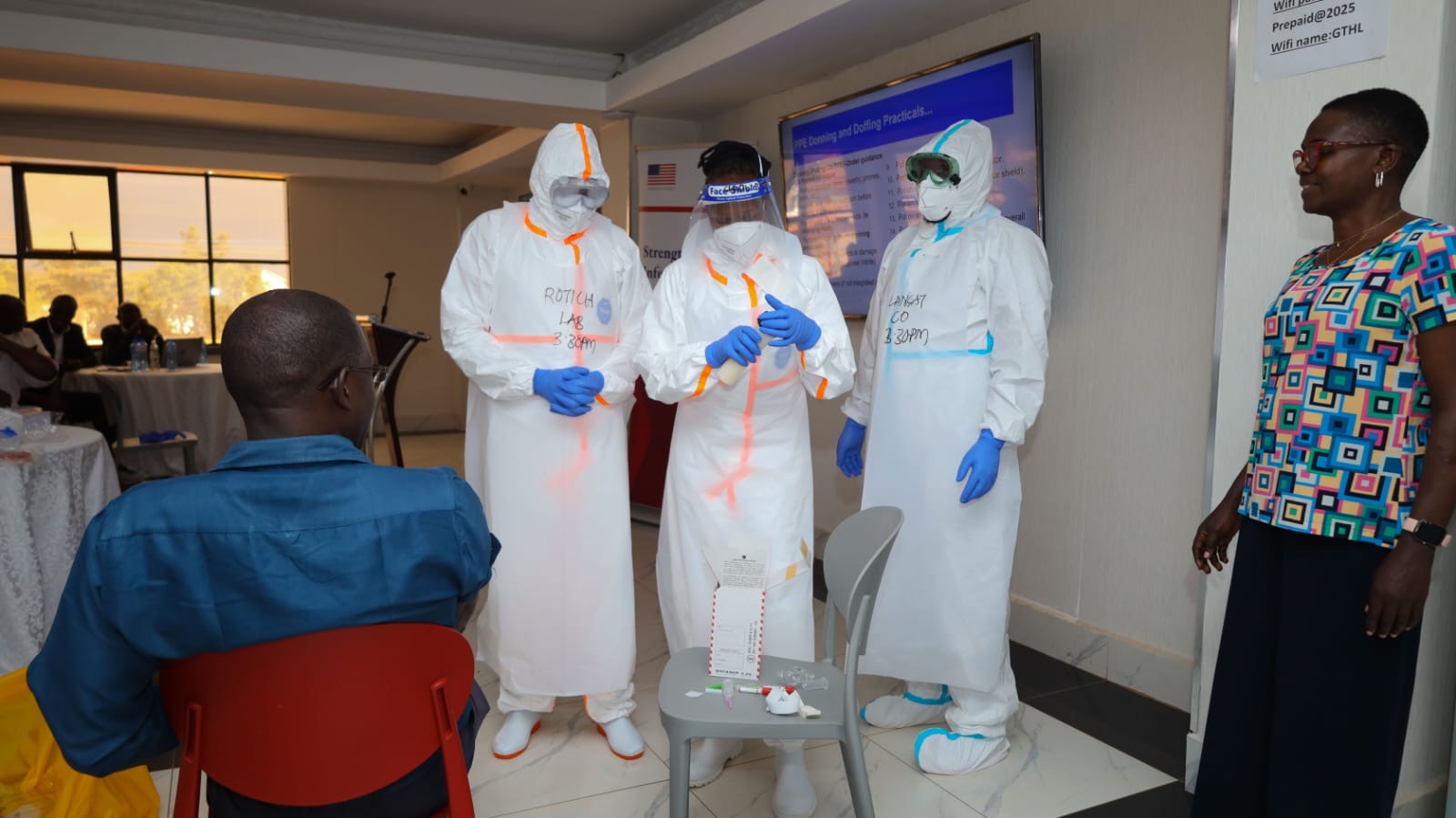
OCHA said the allocation would help humanitarian and government partners strengthen disease surveillance at points of entry, train rapid response teams and equip frontline workers.
The money is also expected to support emergency health supplies, infection prevention and control measures, and public information campaigns to help people recognise symptoms and understand how to reduce the risk of infection.
Border surveillance is particularly important because Kenya’s first confirmed case involved a Kenyan national who had been living in the Democratic Republic of the Congo (DRC). He travelled through Uganda before arriving in Nairobi on 3 October and was confirmed as the country’s first imported case on 6 October. He later died.
The funding is intended to help authorities detect potential infections early, trace contacts and respond quickly if further cases emerge.
Nine cases confirmed, two deaths recorded
As of 26 October, Kenya had reported nine confirmed cases of Bundibugyo virus disease, including two deaths.
The World Health Organization (WHO) says all nine cases are epidemiologically linked to the initial imported infection. The confirmed cases include family members and healthcare workers who had contact with the first patient.
Crucially, WHO has reported no evidence of wider community transmission in Kenya. That does not remove the need for vigilance, but it indicates that the known infections have remained within one connected cluster.
The second death was a 65-year-old woman who was a close family member of the first patient. She developed symptoms while under quarantine and died after receiving supportive care, the Ministry of Health said.
The ministry has also reported screening more than 709,000 travellers at points of entry since the response began. Screening, however, is only one part of containment: identifying contacts, monitoring symptoms, testing suspected cases and maintaining infection-control procedures remain essential.
Why the response still matters
Bundibugyo virus is one of the viruses that causes Ebola disease. There is no licensed vaccine or specific treatment for this strain, although early detection and supportive medical care can improve the chances of recovery.
Kenya’s response therefore depends heavily on identifying infections quickly, isolating confirmed cases and ensuring that health workers have the equipment and training needed to protect themselves and their patients.
The UN allocation could help meet those needs, particularly in areas where cross-border movement makes surveillance more demanding. Its practical impact will depend on how quickly supplies and support reach the teams responsible for the response.
The release of the first 20 contacts is an encouraging development. Those who completed monitoring without symptoms have been cleared to return to their communities, and the Ministry of Health has urged the public to welcome them without stigma. The remaining contacts must continue following the instructions of health teams until their monitoring periods are complete.
Regional risks keep health teams on alert
Kenya is not responding to the outbreak in isolation. The DRC continues to report a much larger outbreak, while Nigeria confirmed an imported Bundibugyo virus case in October. The developments underline the importance of coordination between countries, particularly on contact tracing, laboratory testing and the exchange of public health information.
The WHO has advised against travel or trade restrictions, favouring evidence-based measures such as screening at points of entry, surveillance and contact tracing.
The UN funding is therefore part of a wider effort to ensure that Kenya can contain the known cluster while remaining prepared for new suspected cases.
For now, the priority is to maintain that progress: support patients and their families, protect health workers, complete contact monitoring and ensure that communities receive clear, reliable information.
The allocation provides additional resources for that work, but its success will be measured by the response on the ground — particularly whether new infections are detected early and the outbreak remains contained.
You may also like
Category: Health
Related Video: Dolly Parton’s Family Announces Her Passing in Emotional Tribute
Related Explainer: Ebola contact tracing: Why the 21-day window matters in Kenya’s response
About the Author
Maureen Onyango is a journalist passionate about storytelling, life coaching and spiritual lessons. She studied at the Kenya Institute of Management and enjoys telling stories that inform, inspire and empower communities.
 Facebook
 Twitter / X
 WhatsApp
 LinkedIn
 Telegram
 Reddit