
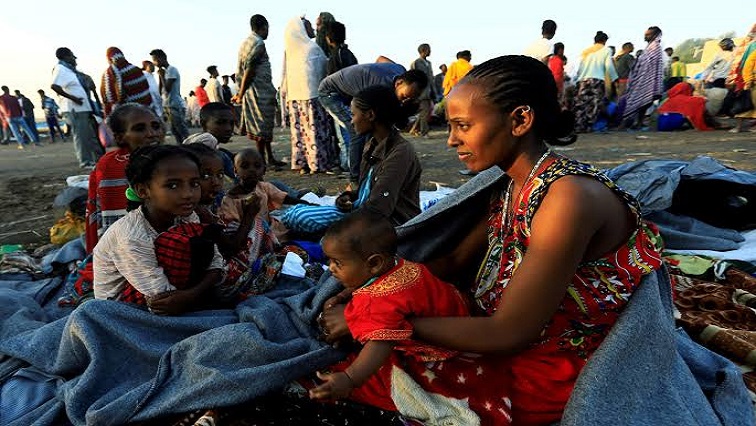
Thousands of Ethiopians fleeing deadly clashes have sought refuge in Kenya’s border town of Moyale, with the Kenya National Commission on Human Rights (KNCHR) warning that shortages of food, clean water, shelter and medical care could deepen the crisis.
In a statement issued on Tuesday, 27 October, the commission said approximately 40,000 people had reportedly crossed into Kenya to escape violence in neighbouring Ethiopia. It urged the government and humanitarian agencies to step up assistance as rain threatens to worsen conditions for displaced families.
The scale of the displacement remains difficult to establish. Earlier reports placed the number of arrivals considerably lower, with estimates rising from thousands to tens of thousands over several days. The latest KNCHR figure signals a potentially major humanitarian emergency, although the different estimates have not been publicly reconciled.
Families seek shelter in churches, schools and homes
KNCHR said more than 15,000 people were staying in eight temporary shelters, while over 20,000 others had found accommodation with relatives and friends.
The reported shelter locations include St Mary’s Catholic Church, Harhosha Secondary School, Manyatta Burji, Sessi and Lanzi Mosque Hospital, among other sites.
The influx is placing pressure on host families and local facilities already serving residents of Moyale. Displaced people need food, safe drinking water, toilets, shelter and medical attention, while those accommodating relatives and strangers also require support.
Rainfall across the area has added to the concern. Wet and overcrowded living conditions can make it harder to maintain hygiene and protect people from exposure, increasing the risk of illness where clean water and sanitation are limited.
The commission warned that assistance must reach people staying both in organised shelters and with host families, rather than focusing only on those gathered at official sites.
New mothers and children among those needing urgent care
The humanitarian needs are particularly pressing for pregnant women, new mothers, infants and people requiring emergency treatment.
KNCHR reported that four women had given birth since the displacement began, with two deliveries reported at Manyatta and two at Bitiye.
The commission called for maternal and reproductive healthcare, safe delivery services, newborn support and postnatal care. It also urged authorities to provide medical supplies, nutrition assistance and disease surveillance as the number of displaced people grows.
Children, older people and people with disabilities may face additional difficulties accessing shelter and services. KNCHR called for protection arrangements for separated children and others at risk of violence or exploitation.
What triggered the violence in Ethiopia?
The displacement follows deadly fighting in Moyale on the Ethiopian side of the border, where tensions between forces associated with the Oromia and Somali regional administrations escalated in October.
Reports linked the unrest to a dispute over raising the Somali regional flag in an area claimed by both regional administrations, followed by the killing of a 13-year-old girl. Accounts of the circumstances surrounding her death have differed.
Fighting reported on 22 October spread across several locations, with reports of gunfire, damaged buildings and disrupted transport. Reuters reported on 23 October that at least nine people had been killed, citing an official at a hospital in Ethiopian Moyale. The violence also sent civilians fleeing towards Kenya.
The border town is an important link between Kenya and Ethiopia. The unrest has disrupted transport and trade, with reports of trucks unable to cross and some businesses closing amid security fears. The consequences are therefore being felt not only by displaced families but also by residents and traders on the Kenyan side.
KNCHR said the situation on both sides of the border was calm on the morning of 27 October. That assessment offers an opportunity to deliver aid, but does not remove the need to monitor security and protect people who may be unable to return home safely.
KNCHR urges coordinated response and protection
The commission has called on the Kenyan government to coordinate with Ethiopian authorities, the Department of Refugee Services, Marsabit County Government and humanitarian organisations, including the Kenya Red Cross and UN agencies.
It wants authorities to provide orderly registration and screening, while ensuring people fleeing danger are treated humanely and can access essential services. It also stressed that security checks must not become a barrier to emergency assistance.
Kenya’s constitutional protections and refugee laws place obligations on the state to safeguard human dignity and provide access to emergency medical treatment. The principle of non-refoulement also prohibits returning people to places where they face specified serious risks, in accordance with applicable legal protections.
The commission said host communities must also receive support, as the sudden arrival of large numbers of people can stretch local services and household resources.
For now, the immediate priorities are clear: provide food, water, shelter and healthcare, establish reliable figures for those displaced, and ensure people can seek safety without discrimination.
The longer-term challenge will be helping families remain safe while conditions across the border are assessed. Until a secure return is possible, the response in Moyale will need to protect both those who have fled and the communities receiving them.
You may also like
Category: News
Related Video: Murkomen Says Kenya Is Safe: “Stop Creating a Crisis” | Political Goons & Security Under Scrutiny
Related Explainer: Kenya’s short rains: What the 2026 forecast means for you
About the Author
Maureen Onyango is a journalist passionate about storytelling, life coaching and spiritual lessons. She studied at the Kenya Institute of Management and enjoys telling stories that inform, inspire and empower communities.
 Facebook
 Twitter / X
 WhatsApp
 LinkedIn
 Telegram
 Reddit