
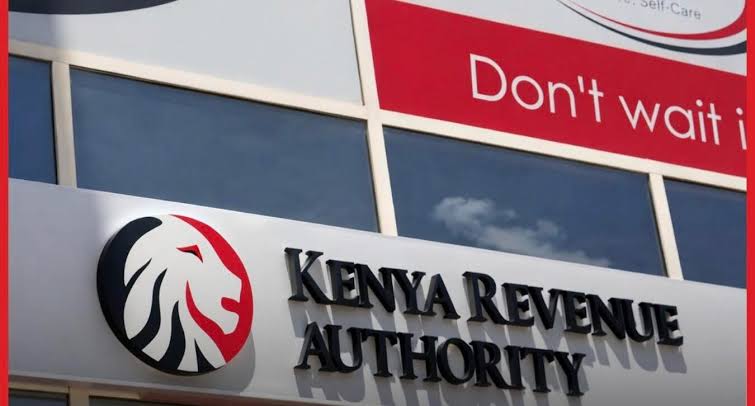
The Kenya Revenue Authority (KRA) is preparing to intensify checks on employers’ payroll records and business payments made through mobile money platforms after missing its revenue target by KSh132.1 billion in the 2025/2026 financial year.
The move could bring closer scrutiny of how businesses report their income and how employers account for Pay As You Earn (PAYE), as the tax authority seeks to recover revenue it says remains unpaid or undeclared.
But the plan has also raised a broader question: can KRA improve collections without placing more pressure on Kenyans whose salaries are already taxed at source?
Appearing before the National Assembly’s Finance and National Planning Committee, KRA said it collected KSh2.844 trillion against a target of KSh2.977 trillion. Although the authority achieved 95.6 per cent of its target, collections grew by 10.6 per cent compared with the previous financial year.
The shortfall was driven partly by weaker-than-targeted collections from domestic taxes, alongside policy changes and disruptions affecting petroleum imports.
Employers face closer payroll checks
PAYE was one of the biggest contributors to the revenue gap. KRA collected KSh598.8 billion against a target of KSh652.4 billion, leaving a shortfall of KSh53.6 billion.
To improve collections, the authority plans to focus on employers with substantial outstanding tax liabilities and compare their payroll records with information obtained from third parties.
The checks are intended to identify inconsistencies that could point to under-reported salaries, incorrect tax declarations or unpaid obligations.
KRA also plans to pursue tax debts through payments the government makes to suppliers with pending bills. This could allow the authority to recover outstanding liabilities from businesses when they receive money owed to them by the State.
The approach signals a stronger focus on collecting taxes already due, rather than relying solely on new tax measures. However, the authority has not publicly quantified how much it expects to recover through the proposed payroll checks.
Mobile money payments come under scrutiny
KRA is also turning its attention to transactions made through business till numbers and mobile-based payment services, including Pochi La Biashara.
The authority intends to use financial information to identify businesses whose declared income may not match their recorded transactions.
Domestic VAT collections fell KSh27.9 billion below target, reaching KSh355.3 billion against a projection of KSh383.2 billion. KRA has identified taxpayers with a potential revenue contribution of KSh56.1 billion for targeted compliance efforts.
For traders and small businesses, the key issue will be how the checks are conducted and how KRA distinguishes taxable business receipts from other transfers.
A mobile money transaction is not automatically taxable simply because money has changed hands. The tax treatment depends on the nature of the transaction and the applicable tax rules. KRA’s stated focus is on identifying business income that may have been left out of tax declarations.
The authority has not announced that every mobile money account holder will face an audit. Its stated plans focus on targeted checks and identifying possible discrepancies.
MPs warn against putting more pressure on salaried workers
The planned enforcement measures come with a warning from the committee overseeing public finance.
Committee chairperson Kuria Kimani congratulated KRA on recording its highest annual collection since its establishment but said it needed to improve its performance without putting additional pressure on formally employed Kenyans.
“I wish to congratulate the Authority for recording the highest collection ever since its establishment. We, however, expect a better performance in the next Financial Year because we do not wish to have to raid payslips of those in formal employment further,” Kimani said.
His remarks highlight the tension facing the government: it needs more revenue to finance public services and meet its obligations, but repeated pressure on salaried workers risks deepening concerns about the cost of living and the fairness of the tax system.
PAYE is deducted from employees’ earnings through their employers, making formal workers a visible and relatively straightforward source of tax revenue. KRA’s new emphasis on employer compliance and undeclared business income could help widen enforcement beyond that group if the checks lead to recoveries from previously under-reported earnings.
Whether the approach will deliver that result remains to be seen.
Petroleum disruptions add to revenue pressures
KRA also cited changes affecting customs oil taxes and tax concessions, alongside disruptions to petroleum cargo logistics linked to the conflict in the Middle East.
To reduce the risks associated with petroleum supplies, the authority said it was considering alternative sources of biofuels from countries including Japan, India, Malaysia and Singapore.
It also plans to introduce smart meters and Automatic Tank Gauging Systems to improve the accuracy of petroleum quantity declarations. These systems are intended to help authorities verify fuel volumes and strengthen the collection of customs-related revenue.
The challenges extend into the current financial year. Business Daily reported that KRA recorded a KSh58.2 billion shortfall in ordinary revenue in the first quarter of 2026/2027, even as collections grew compared with the same period a year earlier.
That makes the authority’s next steps important not only for its own performance but also for the government’s ability to finance its spending plans.
The test for KRA will be whether stronger data checks and recovery efforts can close the gap while giving taxpayers clear rules, fair treatment and a practical way to challenge errors. For salaried workers and businesses alike, improved enforcement will carry more weight if it is accompanied by transparency about who is being targeted, what liabilities are established and how additional revenue is being collected.
You may also like
Category: Business · Related Topic: Kenya Economy
Related Video: Dolly Parton’s Family Announces Her Passing in Emotional Tribute
About the Author
Maureen Onyango is a journalist passionate about storytelling, life coaching and spiritual lessons. She studied at the Kenya Institute of Management and enjoys telling stories that inform, inspire and empower communities.
 Facebook
 Twitter / X
 WhatsApp
 LinkedIn
 Telegram
 Reddit