
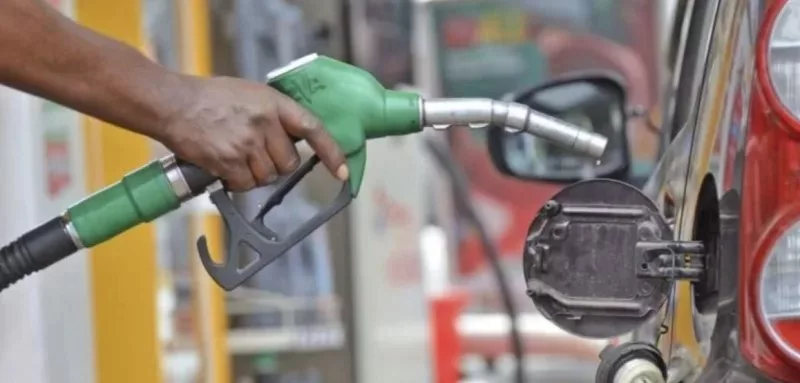
Kenyan motorists and households face a fresh increase in the cost of living after the Energy and Petroleum Regulatory Authority (EPRA) announced higher maximum retail prices for petrol, diesel and kerosene, effective October 15, 2026.
Under the new pricing schedule, a litre of super petrol in Nairobi will cost Sh226.96, up from Sh214.03, while diesel rises from Sh217.86 to Sh227.76.
Kerosene records the largest increase, rising by approximately Sh28.49 per litre to about Sh219.87.
The new prices apply during the monthly pricing cycle ending November 14, 2026.
How much more will motorists pay?
For a motorist filling a 50-litre petrol tank, the increase translates into an additional Sh646.50 compared with the previous pricing cycle.
A commercial vehicle requiring 100 litres of diesel will cost Sh990 more to fill.
These increases may appear manageable for individual purchases, but their cumulative effect can be significant for households and businesses that consume fuel frequently.
Public transport operators, logistics companies, manufacturers and agricultural producers are particularly exposed because fuel represents a recurring operating expense.
Why fuel prices are rising
The latest review comes amid international petroleum-market disruptions associated with conflict in the Middle East.
Saudi Arabia, a major global energy producer, has experienced attacks on infrastructure, while tensions around strategic shipping routes have increased uncertainty over supplies.
Kenya imports most of its petroleum requirements and is therefore exposed to changes in international refined-product prices, freight charges, insurance costs and foreign exchange rates.
Domestic pump prices also reflect taxes, regulated margins and other components of the pricing formula.
An increase in global crude prices does not necessarily translate into an identical increase at Kenyan pumps because refined-product costs and the timing of imports also matter.
Why diesel prices matter beyond motorists
Diesel is widely used by trucks transporting food, buses carrying commuters, agricultural machinery and industrial equipment.
Higher diesel costs can increase operating expenses throughout the supply chain.
Transport operators may seek fare adjustments, while businesses transporting goods between Mombasa, Nairobi and other towns could face higher delivery costs.
However, higher pump prices do not automatically mean all transport fares and food prices will increase immediately.
Those decisions depend on operating costs, competition and individual business circumstances.
Kerosene increase puts pressure on vulnerable households
The sharp increase in kerosene prices is particularly significant for households that continue to depend on the fuel for cooking and lighting.
Unlike petrol, which is primarily associated with transport, kerosene is used directly for essential domestic needs.
An increase of almost Sh30 per litre can place additional pressure on low-income households already managing food, rent and other expenses.
The price changes also renew questions about Kenya's long-term energy security and the affordability of alternative cooking technologies.
What happens next?
The new maximum pump prices remain in force until the next monthly review unless the regulator issues an applicable revision.
Motorists should check the EPRA schedule for their specific town because prices vary by location.
For the government, the challenge remains balancing consumer protection, petroleum taxation and the financial sustainability of fuel-market interventions.
For households and businesses, the immediate reality is straightforward: transport and energy costs are increasing at a time when many Kenyans are already concerned about the cost of living.
You may also like
Category: Business
Related Video: What Dangote’s proposed Lamu oil refinery could mean for East Africa
Related Explainer: Inside Kenya’s crude supply puzzle as Dangote prepares to break ground in Lamu
 Facebook
 Twitter / X
 WhatsApp
 LinkedIn
 Telegram
 Reddit