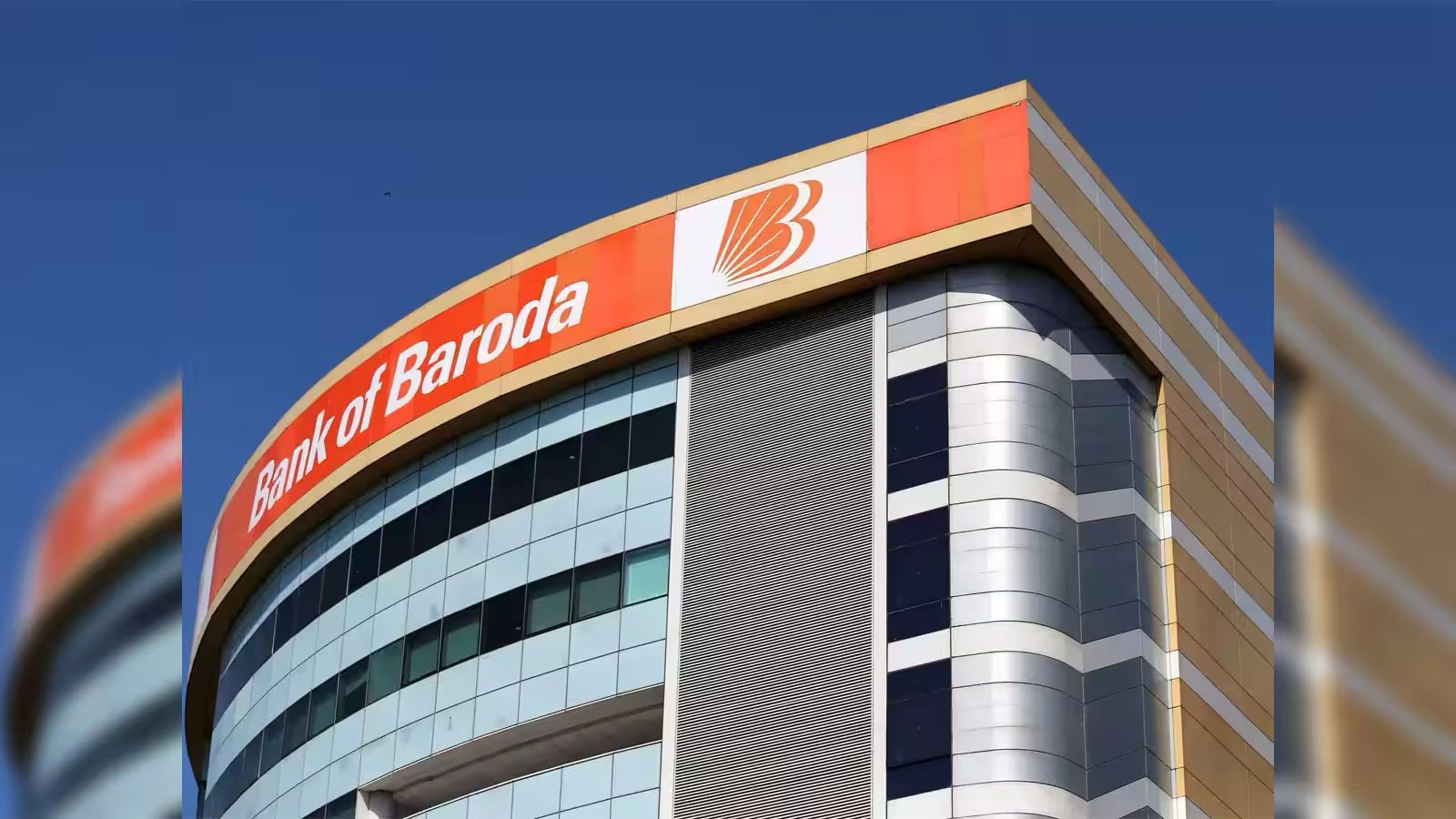
Bank of Baroda Kenya faces possible attachment and auction of movable assets after the High Court issued a warrant to recover approximately Sh2.99 billion awarded to Infinity Industrial Park Limited in a long-running financing dispute.
The warrant, issued by Milimani High Court Deputy Registrar Stellah Sagwe on September 15, directs Moran Auctioneers to attach sufficient movable and attachable property belonging to the bank to satisfy the outstanding court award if payment is not made.
Court records cited in reports put the amount being pursued at Sh2.996 billion, together with nominal additional costs and collection fees.
The development represents an escalation in a commercial dispute involving financing for a proposed 200-acre industrial park in Nairobi.

It does not mean the bank's assets have already been sold.
The warrant begins an enforcement process that can ultimately lead to auction if the amount remains unpaid and no intervening court order alters the position.
Auctioneer given enforcement powers
The court has authorised Moran Auctioneers to identify and attach movable property sufficient to meet the amount specified in the warrant.
If the debt is not settled, attached property can be sold through public auction after the required proclamation and notice procedures.
The auctioneer must provide 15 days' notice before a sale.
The warrant is returnable to court by October 15, when the auctioneer is expected to explain how it was executed or why execution was unsuccessful.
The case arises from litigation between Infinity Industrial Park Limited and Bank of Baroda Kenya.
Infinity had planned a large industrial park on approximately 200 acres in Nairobi and entered into financing arrangements with the lender.
The relationship subsequently deteriorated and ended in litigation.
The High Court ultimately awarded Infinity Industrial Park Sh2.996 billion in special damages.
A decree was issued on September 8, 2025, while a further court order was made on September 1, 2026, preceding the latest enforcement warrant.
What an attachment warrant means
Court enforcement terminology can sometimes create the impression that a company is immediately being stripped of its property.
The process is more structured.
A successful litigant who has obtained a monetary decree can seek enforcement if the judgment debt is not paid.
Attachment of movable assets is one of the mechanisms available.
An auctioneer operating under a court warrant can identify eligible property and issue the necessary proclamation.
If payment is still not made and there is no stay or other court intervention, the property can eventually be auctioned to recover the judgment debt.
The issuance of the warrant is therefore significant, but it should not be confused with completion of the recovery process.
Further applications, payments or court orders can affect what happens next.
Why the amount matters
At nearly Sh3 billion, the award is substantial even within Kenya's corporate litigation environment.
The dispute also illustrates how financing disagreements surrounding major development projects can escalate into lengthy and expensive court battles.
Industrial parks require large amounts of capital for land, infrastructure, utilities and construction.
Banks, developers and investors consequently depend on detailed financing agreements governing when funds are released, what conditions borrowers must meet and what happens when projects do not proceed as anticipated.
When those relationships collapse, the resulting claims can run into billions of shillings.
Court process now enters crucial stage
Attention will now turn to whether the award is paid, whether attachable assets are proclaimed and whether further legal applications affect enforcement.
The October 15 return date provides another important milestone.
Until then, describing the bank's property as already auctioned would be premature.
What the High Court has done is authorise enforcement of the judgment through attachment of movable assets.
The distinction matters both legally and financially.
Bank of Baroda is part of India's state-owned Bank of Baroda group and operates in Kenya's regulated banking market.
Any enforcement action involving a commercial bank will consequently attract attention beyond the immediate parties because banks depend heavily on confidence.
But the current dispute remains a commercial court matter between Bank of Baroda Kenya and Infinity Industrial Park.
The next significant development will be whether the nearly Sh3 billion judgment is settled, stayed or proceeds further through the court-sanctioned attachment process.
Category: Business
Related Video: Human Ladder Reaches Dangerous Heights as Climbers Keep Going
Related Explainer: Explainer: What happened to milk in Kenya?
 Facebook
 Twitter / X
 WhatsApp
 LinkedIn
 Telegram
 Reddit