High Court Stops Laikipia Ebola Facility Works Until Government Discloses US Deal
The government must disclose the agreements, safety assessments and operational plans behind the controversial Ebola facility at Laikipia Air Base before it can resume further work or put the unit into operation, the High Court has ruled.
The decision is a major setback for a project that has faced protests and legal challenges over concerns that residents were excluded from decisions affecting their health and safety.
In its ruling delivered on Thursday, November 26, 2026, the court found that the government had failed to meet constitutional requirements on public participation, transparency and access to information.
The Ministry of Health has been directed to make the relevant project documents available within 45 days, with copies also provided to the petitioners and the court.
The judge further prohibited the ministry from carrying out additional works or operationalising the facility until the court is satisfied that the disclosure requirements have been met.
The ruling reinforces a central constitutional principle: even when the government is responding to a public health threat, it must explain decisions that have significant consequences for the communities affected.
“Emergencies may demand urgency, but they do not suspend constitutional obligations,” the judge observed.
Government ordered to reveal details of US-backed project
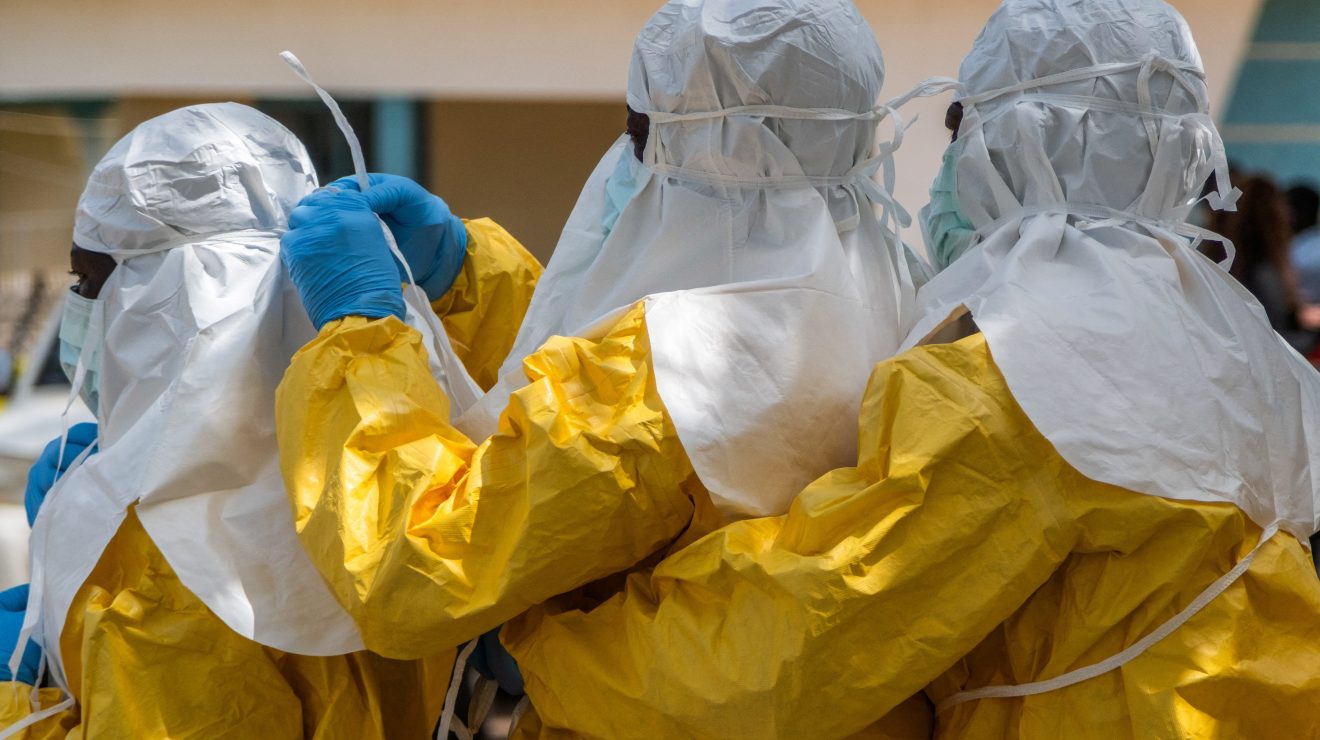
At the centre of the dispute is a 50-bed bio-isolation facility inside Laikipia Air Base, near Nanyuki, developed with support from the United States.
The project attracted opposition from residents and civil society groups who questioned the circumstances under which it was agreed upon, the risks it posed and the extent to which local authorities and communities had been consulted.
The government has maintained that the facility is part of its wider Ebola preparedness programme, intended to strengthen the country's ability to isolate and manage people exposed to the virus.
However, the court found that the government had not adequately explained the arrangements behind the project or provided sufficient information to the affected community.
The documents ordered for disclosure include the terms of any agreement, memorandum or negotiations relating to the facility.
The ministry must also release any public health, environmental, biosafety and security assessments, approvals from relevant authorities and protocols governing the admission, isolation, handling and treatment of people exposed to Ebola.
The court said residents needed more than assurances that the facility was safe. They were entitled to examine the evidence and safeguards supporting those assurances.
Justice Mande, as identified in the original report, described the community's position as being similar to people standing outside a closed wooden window, aware that decisions were being made but unable to see what was happening or take part in the process.
The judge said this lack of access had denied residents a meaningful opportunity to question decisions affecting their community.
Court says public health emergencies do not override the Constitution
The court found that the government's handling of the project violated Article 10 of the Constitution, which sets out national values and principles of governance, including transparency, accountability and public participation.
It also found a breach of Article 35(3), which requires the State to publish and publicise important information affecting the nation.
The judge noted that the government had acknowledged the establishment of the facility but had not demonstrated that Laikipia residents and the county government were adequately informed or involved.
The ruling rejected the suggestion that urgency surrounding an infectious disease threat could excuse the failure to meet constitutional standards.
The court stressed that public health decisions must still be subject to scrutiny, particularly where they affect the safety and welfare of people living near a proposed facility.
It also clarified that the legal challenge was not an attempt to stop Kenya from working with the United States or to undermine the Ministry of Health's responsibility to respond to disease outbreaks.
Instead, the dispute concerned whether the government followed the Constitution when making arrangements for the facility.
Facility had already hosted American aid workers
The legal dispute has unfolded alongside a wider debate about the purpose and beneficiaries of the Laikipia facility.
Reuters reported that seven American aid workers who had been in the Democratic Republic of Congo were quarantined at the facility in July.
The development heightened questions about the Kenya-US arrangement, particularly after the government faced criticism over the lack of public information about the project.
The government has defended the unit as part of a broader national preparedness plan, rather than a facility intended exclusively for American citizens.
Health Cabinet Secretary Aden Duale previously argued that Kenya had a responsibility to protect everyone within its borders from infectious diseases.
The dispute had already resulted in court orders suspending activities connected to the project.
In June, the High Court found Duale in contempt after construction continued despite earlier orders halting the work. He later appeared before the court, apologised and was discharged with a warning after the judge considered his mitigation.
The latest ruling adds a fresh legal condition: the government must now address the outstanding transparency and public participation concerns before further work or operationalisation can proceed.
There was no immediate government response to Thursday's ruling in the Reuters report.
Ebola response has made progress, but preparedness remains important
The case comes as Kenya continues its monitoring period following an outbreak of the Bundibugyo strain of Ebola.
According to a Ministry of Health statement issued on November 11, the last patient had been discharged and the remaining contacts had completed quarantine. The ministry said no new case had been recorded since October 19.
The government began a 42-day countdown towards declaring the outbreak over, provided no further cases emerge during the period. The countdown was due to end on December 23.
The outbreak had resulted in two deaths, while seven patients recovered, according to the ministry.
The progress in containing the outbreak does not remove the need for future preparedness. However, the court's decision makes clear that preparedness projects must be accompanied by proper public information and accountability.
For residents of Laikipia, the immediate question is no longer only whether the facility is necessary. It is whether the government can demonstrate, through documents and meaningful public engagement, that the project meets the required safety and constitutional standards.
The ministry now has 45 days to provide the information required by the court. Until the court is satisfied that the conditions have been met, further works and operationalisation remain prohibited.
You may also like
Category: News
Related Video: Human Ladder Reaches Dangerous Heights as Climbers Keep Going
Related Explainer: Ebola contact tracing: Why the 21-day window matters in Kenya’s response
About the Author
Maureen Onyango is a journalist passionate about storytelling, life coaching and spiritual lessons. She studied at the Kenya Institute of Management and enjoys telling stories that inform, inspire and empower communities.
 Facebook
 Twitter / X
 WhatsApp
 LinkedIn
 Telegram
 Reddit