
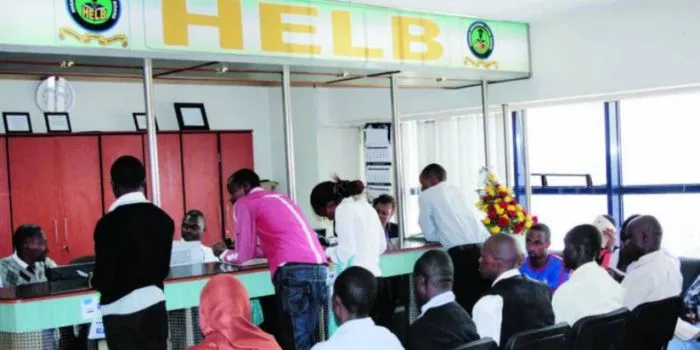
The Higher Education Loans Board (HELB) has reminded employers across Kenya that money deducted from workers' salaries to repay student loans must be remitted by the 15th of the following month.
The reminder comes as HELB tightens its focus on employers, who play a central role in recovering loans from former beneficiaries in formal employment.
In a notice issued on Friday, August 14, the board urged employers to complete their August remittances on time, warning that compliance depends not only on making the deductions but also on ensuring the money reaches HELB.
“Ensure all HELB loan deductions are remitted by the 15th of every month to maintain timely compliance,” the board said.
The deadline is particularly important for employees whose salaries have already been subjected to HELB deductions. A delay by an employer can leave a borrower's account showing an unpaid amount even when the money has already been taken from their pay.
What employers are required to do
HELB's current employer guidance sets out three main obligations: disclose, deduct and discharge.
Employers must notify HELB when they recruit a worker who has an outstanding loan, make the required deduction from the employee's salary and remit that money to the board by the deadline.
The process is now handled through the HELB Employer Portal.
Employers are required to upload their monthly remittance list, verify the employees and amounts involved, and generate the electronic payment documentation before making payment.
HELB's online system also checks loan accounts during the process. Where an employee's account has already been cleared, the system can reject the entry, helping prevent unnecessary deductions.
The board advises employers to pay the exact amount appearing on the generated electronic payment slip.
Employers who have not yet registered on the portal can create an account and add their organisation if it does not already appear in the system.
Why the 15th matters
The deadline is not simply an administrative target.
HELB's rules require employers to remit deductions by the 15th of the following month. The board's current FAQ also states that an employer can face a 5 per cent monthly penalty on deductions that remain unpaid.
HELB has also stepped up enforcement this year.
In March, the board announced a Sh3,000 monthly penalty per affected employee for employers who fail to declare workers with outstanding HELB loans or fail to forward the required deductions. The penalty was reported as being backdated to the employee's date of employment.
For businesses employing several HELB beneficiaries, prolonged non-compliance could therefore become expensive.
HELB's bigger recovery push
The latest reminder is part of a wider effort to recover outstanding student loans and keep the education financing system running as a revolving fund.
HELB's model depends on money being repaid so that it can continue supporting new generations of students. The board says it has financed more than 1.23 million students and disbursed more than Sh130 billion, according to figures published on its website.
But recovering money from borrowers outside formal employment remains a much harder task.
That is why HELB is also pursuing closer cooperation with the Kenya Revenue Authority (KRA) to trace borrowers in the informal economy.
HELB chairman Ekwee Ethuro said in July that the proposed partnership would help the board reach borrowers who do not have regular payroll deductions because they are self-employed, run businesses or work outside the formal employment system.
The move means the board's recovery strategy is increasingly focused on both ends of the labour market — employers who handle payroll deductions and borrowers whose income does not pass through a conventional employer.
What employees should check
Workers should not assume that a deduction appearing on a payslip automatically means their HELB account has been updated.
HELB advises borrowers to monitor their loan statements and repayment records. Statements can be accessed through the HELB portal or mobile application.
Borrowers who remain up to date with repayments can also obtain a HELB compliance certificate through the HELB or eCitizen platforms.
For employers, the immediate task is straightforward: check the payroll, submit the remittance list and ensure payment is completed by the deadline.
For employees, the equally important step is to check that what was deducted from their salaries has actually been credited to their HELB accounts.
As the board intensifies recovery, the distinction between deducting the money and actually remitting it is becoming increasingly important.
You may also like
Category: News
Related Video: Human Ladder Reaches Dangerous Heights as Climbers Keep Going
Related Explainer: Kenya’s inflation holds near 30-month high as transport and food costs squeeze households
About the Author
Maureen Onyango is a journalist passionate about storytelling, life coaching and spiritual lessons. She studied at the Kenya Institute of Management and enjoys telling stories that inform, inspire and empower communities.
 Facebook
 Twitter / X
 WhatsApp
 LinkedIn
 Telegram
 Reddit