
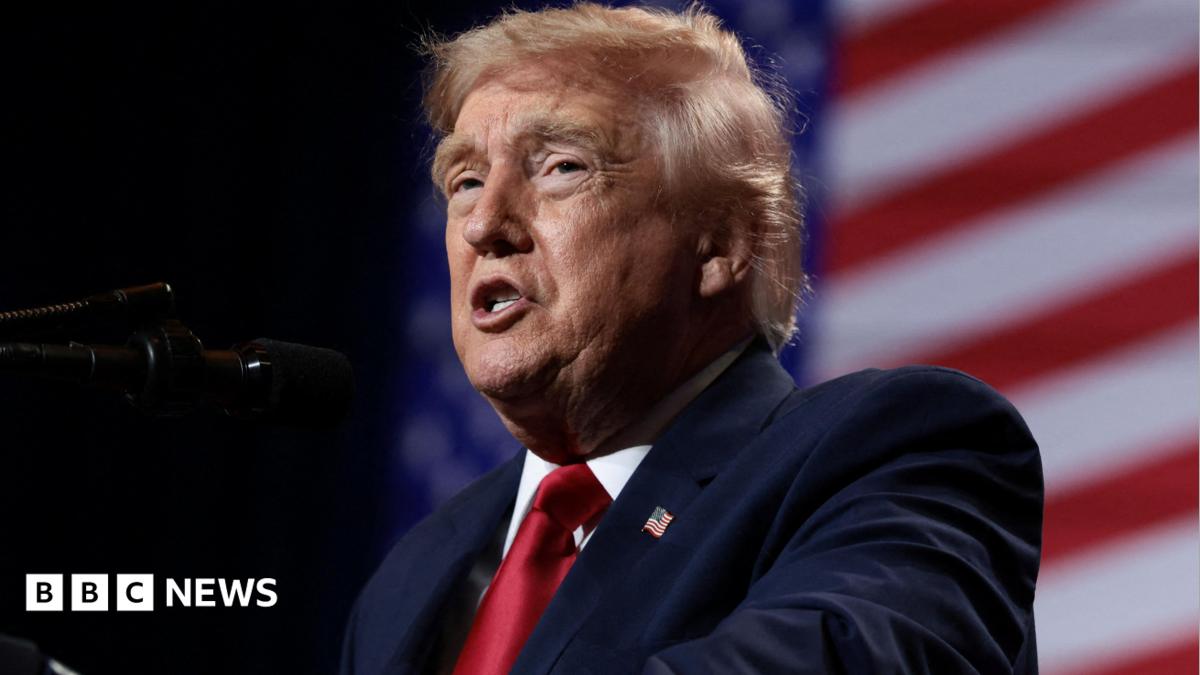
President Donald Trump arrived in Dublin for a two‑day state visit, during which he told reporters he would "love" to see Ireland unified. The comment quickly became the headline of his trip, eclipsing other diplomatic engagements and prompting speculation about its significance for US‑Irish relations.
Former Republican congressman Mick Mulvaney, who served as the Trump administration’s special envoy to Northern Ireland, cautioned against reading too much into the remark. Mulvaney said, "This does not represent a shift in US foreign policy. We're still very much committed to the Good Friday Agreement," adding that bipartisan support for the peace deal remains unchanged.
Trump reiterated the sentiment later in a speech delivered to Irish and Irish‑American business leaders at the US Ambassador’s residence. The address, billed as a 20‑minute briefing, ran considerably longer and veered into domestic US topics, including immigration enforcement, defence procurement and criticism of the United Kingdom’s stance on a recent US military operation against Iran.
Political analysts noted the timing of the comments, coming ahead of the US mid‑term elections in November. About ten per cent of the US electorate claim Irish ancestry, a demographic that has historically swung between parties. Some observers suggested the president was courting Irish‑American voters, although the electorate is far from a monolithic bloc.

Irish Taoiseach Micheál Martin and other Irish officials welcomed the visit but stressed that any future referendum on the island’s constitutional status must be decided by the people of the north and south. The Good Friday Agreement, signed in 1998, continues to underpin cross‑border cooperation and remains the framework for any discussion of a border poll.
You may also like
Category: International
Related Video: Dolly Parton’s Family Announces Her Passing in Emotional Tribute
Related Explainer: Fact Check: Did elephants save people during Nepal’s floods?
 Facebook
 Twitter / X
 WhatsApp
 LinkedIn
 Telegram
 Reddit