At least three Chinese companies have ended partnerships with the Real Madrid star after a clip about a dictator meme went viral, but the footage’s authenticity remains unverified.
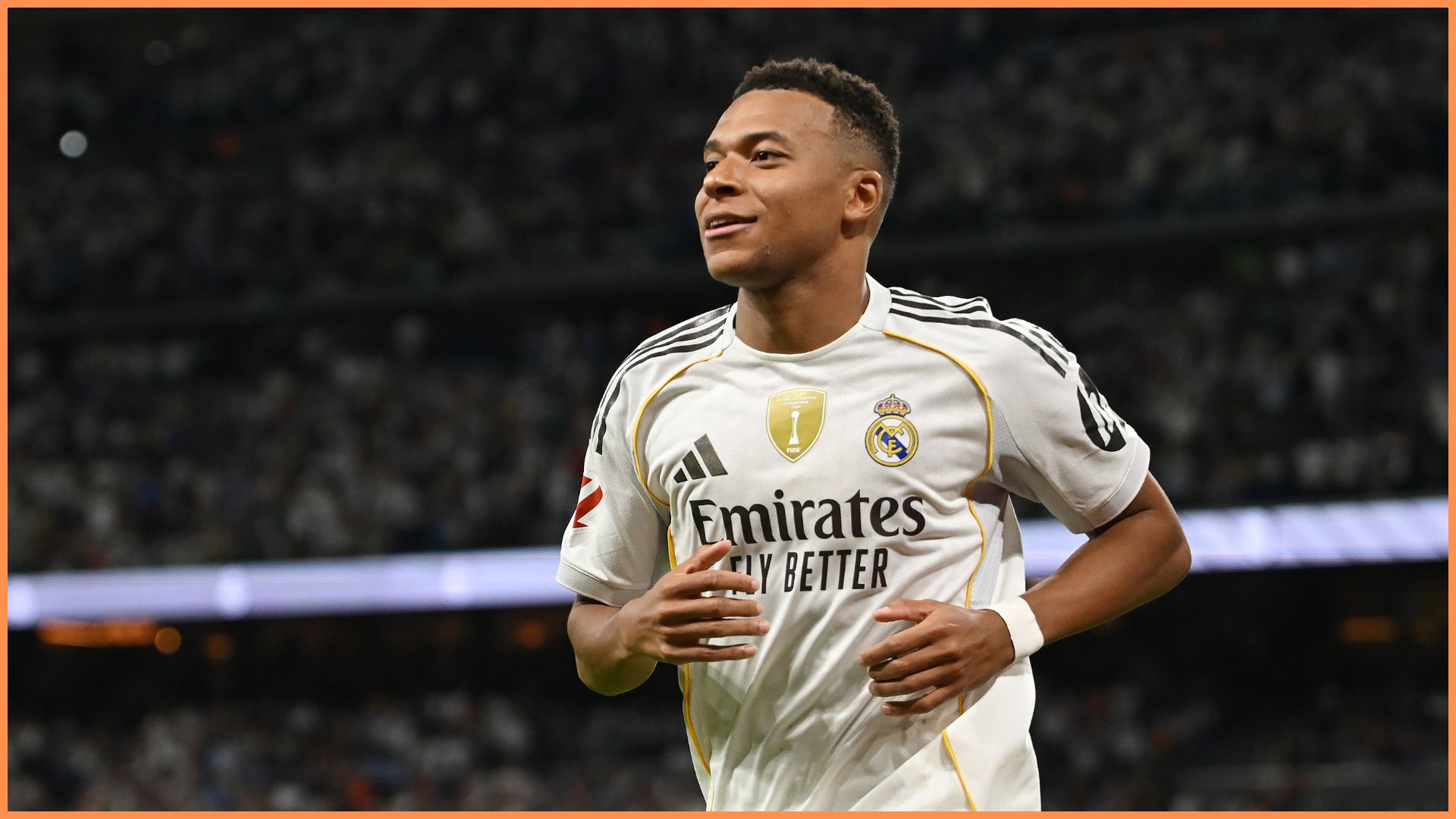
Kylian Mbappé’s commercial standing in China has taken a hit after at least three major companies ended their partnerships with the French footballer over a viral clip in which he appears to describe a meme featuring a “Chinese dictator”.
Beverage maker Dongpeng, dairy giant Mengniu and cheese producer Milkground announced on Tuesday, 27 October, that they were ending their commercial ties with the Real Madrid forward. Their statements referred to conduct that hurts Chinese national sentiment but did not spell out the specific remarks that prompted their decisions.
The controversy centres on a clip from the French online talk show The Bridge. In it, Mbappé is discussing memes featuring his face when he refers to an image of a man he believes is a Chinese dictator. The video then shows an edited image that appears to depict his face on the body of former Chinese leader Mao Zedong.
Mbappé does not name Mao in the reported remark. AFP said it could not immediately verify the clip’s authenticity, an important distinction as the footage spreads across social media and prompts commercial consequences.
Brands cut ties as backlash spreads
Dongpeng said it had a zero-tolerance policy towards behaviour it considered offensive to national sentiment and announced the immediate termination of its cooperation with Mbappé.
Mengniu issued a similar statement, saying it would end all cooperation with the player. Milkground also announced that it was terminating its partnership. The companies’ decisions followed a surge of criticism on Chinese social media, where calls to boycott the footballer gained traction.
The response has extended beyond commercial endorsements. Chinese social media platform RedNote, also known as Xiaohongshu, said its content partnership with Mbappé had ended in December 2024 and that it would remove related promotional material. Its statement should not be read as evidence that a current sponsorship was cancelled over the latest controversy.
Reports from Spanish media also said China’s state broadcaster CCTV had suspended La Liga broadcasts and removed some Mbappé-related content. The broadcaster’s reported actions could widen the impact beyond the player’s personal endorsements, although the claims should be distinguished from the confirmed company announcements.
Why the reference to Mao carries weight
Mao founded the People’s Republic of China in 1949 and led the country until his death in 1976. His rule remains deeply contested internationally because of the mass suffering associated with campaigns including the Great Leap Forward and the Cultural Revolution.
Within China, however, Mao retains an important place in the Communist Party’s official account of the country’s history. A joke that appears to label him a dictator can therefore be interpreted as more than a passing comment about an internet meme.
China’s Foreign Ministry has also weighed in on the controversy. Spokesperson Guo Jiakun said remarks or actions that hurt the feelings of Chinese people would naturally face opposition from different parts of society, according to reports.
The response reflects the sensitivity surrounding public references to China’s political history. But it does not resolve the outstanding question of exactly what was said in the original interview or whether the circulating clip gives a complete and accurate account of the exchange.
Mbappé has previously questioned dictator memes
The episode is particularly striking because Mbappé has previously expressed discomfort with memes portraying him as an authoritarian ruler.
In a September interview with France Football, the 27-year-old acknowledged that some of the images were intended as jokes but warned that comparisons with dictators could trivialise the suffering caused by such figures.
“There’s also a side that’s a little less funny because we know the damage that people like that have caused throughout history,” he said, according to a report by the Associated Press.
That earlier response adds context to the latest row. It suggests that the broader meme trend has already raised questions for the player about where humour ends and historical insensitivity begins.
However, the September comments concerned dictator memes generally. They should not be treated as a response to the current controversy, and there is no verified statement from Mbappé addressing the latest clip in the reports reviewed.
Neither Mbappé nor The Bridge had publicly responded to the controversy in the reports available at the time of writing.
A reminder of the risks facing global sports stars
For global footballers, sponsorships can connect them to audiences far beyond the stadium. Mbappé has featured in Chinese advertising campaigns for drinks and dairy products, making him a recognisable figure in a major consumer market. The withdrawal of several partnerships shows how quickly that commercial relationship can come under pressure when a public comment is interpreted as disrespectful.
The episode also highlights the difficulty of judging a viral clip without the full interview. The video may be genuine, but AFP’s verification caveat means its authenticity and context should not be assumed. The companies have announced their decisions, yet the precise relationship between the footage and each termination has not been fully explained in their public statements.
For now, the fallout is clear: several Chinese brands have cut ties with one of football’s most prominent players. Whether the controversy grows further may depend on any response from Mbappé, the programme and the organisations involved, as well as whether the original footage can be authenticated and placed in its full context.
You may also like
Category: Sports
Related Video: Beyond Aid: How Japan Is Shaping Kenya’s SME Future | JICA Training Experience
About the Author
Maureen Onyango is a journalist passionate about storytelling, life coaching and spiritual lessons. She studied at the Kenya Institute of Management and enjoys telling stories that inform, inspire and empower communities.
 Facebook
 Twitter / X
 WhatsApp
 LinkedIn
 Telegram
 Reddit