
More than 2.58 million Grade 6 and Grade 9 learners are sitting national assessments, with authorities guarding exam materials and preparing for possible weather disruptions.
Kenya’s national assessments are continuing under heightened security as heavy rains raise concerns about transport and access to some schools, with police and education officials working to keep examination materials safe and the exercise on schedule.
The Kenya Primary School Education Assessment (KPSEA) and Kenya Junior School Education Assessment (KJSEA) began on Monday, 26 October. The Kenya National Examinations Council (KNEC) registered a combined 2,586,491 candidates, including 1,380,463 Grade 6 learners sitting KPSEA and 1,206,028 Grade 9 learners taking KJSEA.
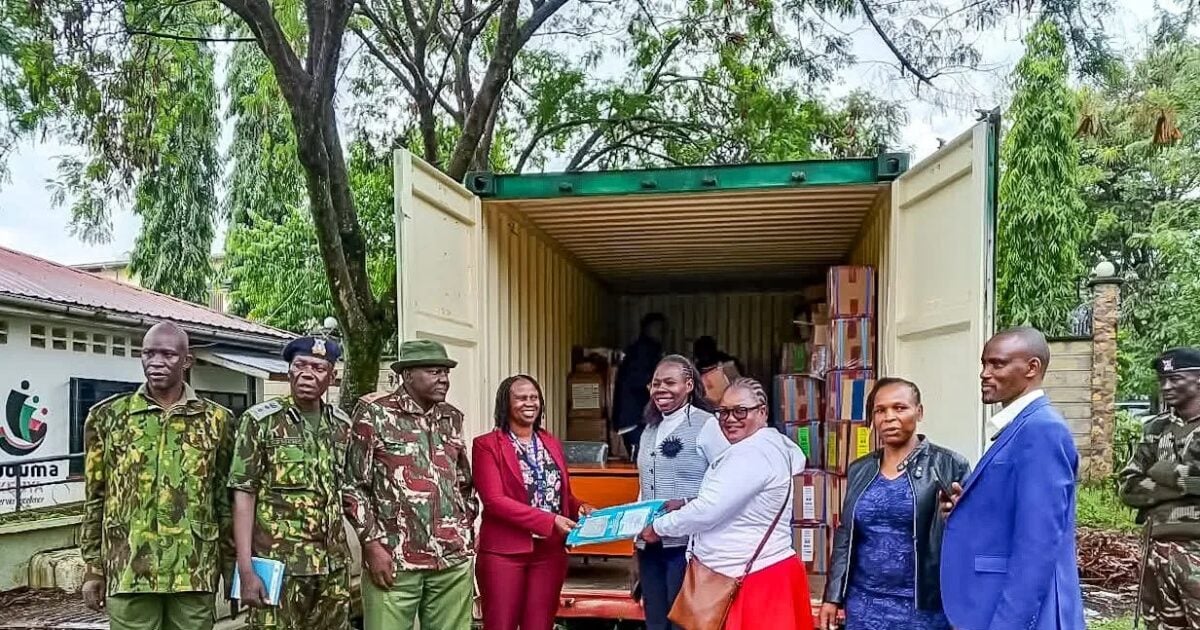
In a statement on the second day of the assessments, the National Police Service said officers were continuing to secure examination materials and support their safe movement between storage containers and assessment centres, despite difficult weather conditions.
The security arrangements are intended to prevent interference with the assessments and protect the integrity of the process. Police are working alongside National Government Administration Officers, education officials and school heads.
Police will not routinely be stationed inside assessment centres
Education Cabinet Secretary Julius Ogamba has clarified that armed police officers will not routinely be stationed inside KPSEA and KJSEA assessment centres. Their main role is to escort examination materials, with officers deployed at centres where security concerns warrant it.
KNEC has also strengthened security at storage points. The council has added 48 examination containers, bringing the national total to 701. The containers are guarded around the clock and fitted with double-lock systems, with digital smart padlocks introduced to strengthen access controls.
The distinction matters: security measures are designed to protect examination papers and prevent malpractice, while schools must also provide learners with a calm environment in which to complete their assessments.
Weather contingency plans in place
The rains pose a separate challenge. Flooding and poor road access can complicate the delivery of materials and make it difficult for learners and staff to reach schools.
In Malindi, Deputy County Commissioner Harrison Matevwa said contingency plans included moving assessments from schools likely to be affected by flooding to safer institutions within the sub-county. Local officials said arrangements had also been made to position examination materials closer to the centres they serve.
In Narok, County Director of Education Peter Magiri said additional examination containers had been installed in sub-counties and field officers were on standby to respond to logistical problems. The county has 20,318 candidates sitting KPSEA and KJSEA.
These are local measures rather than evidence that all schools are facing disruption. Authorities have not reported a nationwide suspension of the assessments in the material reviewed.
When will the assessments end?
KPSEA is scheduled to run for three days, ending on Wednesday, 28 October. KJSEA will continue until Friday, 30 October.
The assessments are part of Kenya’s Competency-Based Education system. KPSEA measures learning at the end of Grade 6, while KJSEA assesses Grade 9 learners as they prepare to move to senior school.
The National Police Service has urged the public to cooperate with security officers and report suspicious activity that could compromise the exercise. Members of the public can contact the police through the emergency numbers 999 or 911, or report information to the Directorate of Criminal Investigations through 0800 722 203. The DCI also lists 0709 570 000 as its WhatsApp contact in the supplied notice; readers should verify the number through official channels before sharing sensitive information.
For candidates and their families, the immediate priority is to complete the assessments safely and without unnecessary disruption. The success of the exercise will depend not only on protecting examination papers, but also on how quickly officials respond if weather conditions make access to a centre unsafe.
You may also like
Category: News
Related Video: What Dangote’s proposed Lamu oil refinery could mean for East Africa
Related Explainer: Kiharu Technical College September Intake 2026: Courses, Skills and New Opportunities
About the Author
Maureen Onyango is a journalist passionate about storytelling, life coaching and spiritual lessons. She studied at the Kenya Institute of Management and enjoys telling stories that inform, inspire and empower communities.
 Facebook
 Twitter / X
 WhatsApp
 LinkedIn
 Telegram
 Reddit