
Kenya is preparing to release the remaining people under Ebola contact monitoring, marking an important step in the response to an outbreak that has infected nine people and killed two.
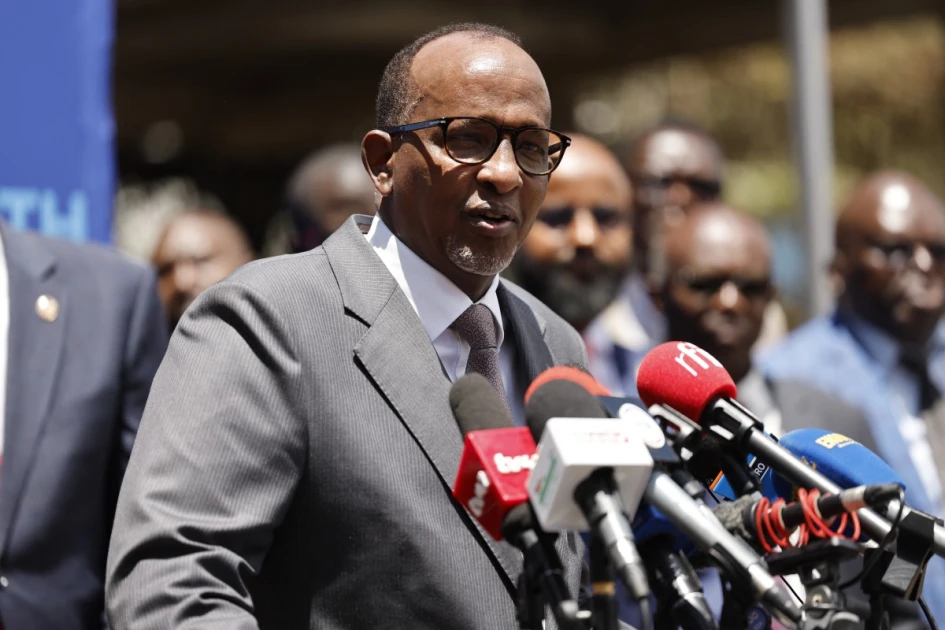
Health Cabinet Secretary Aden Duale told Parliament on Tuesday, November 3, that authorities had traced all 135 people identified as contacts of the first imported case. He said the country’s response had helped contain the infections within one transmission cluster.
But the planned releases should not be mistaken for an end to the outbreak. Seven patients were still receiving treatment in isolation facilities, while health officials continued surveillance and follow-up measures.
Appearing before the National Assembly Committee on Delegated Legislation, Duale said the government had maintained a coordinated response involving several agencies.
“We have done 100% contact tracing. All 135 people in contact with the imported case were traced,” he said.
He added that people who had completed the required monitoring period were being released in phases.
The first 20 contacts were discharged on October 26 after completing 21 days without developing symptoms. A further 46 were scheduled for release on November 3, leaving 52 people still under observation, according to the Ministry of Health’s latest update.
Director-General for Health Dr Patrick Amoth told the committee that the ministry expected to complete the release process by Tuesday, November 10, provided all went well.
He said those who remained under observation would continue receiving support from a multidisciplinary health team.
Why the outbreak cannot yet be declared over
Kenya has recorded nine confirmed cases of Bundibugyo virus disease, a strain of Ebola, since the first imported case was identified in October. The World Health Organization says all eight subsequent infections were linked to the first patient. There has been no evidence of wider community transmission.
The outbreak has, however, claimed two lives. The second death was reported on October 23, involving a patient who had been infected within the same cluster. Seven patients were still in care in the latest reporting.
The end of quarantine for contacts is also different from the formal declaration that an outbreak is over.
Under WHO guidance, the 42-day countdown towards declaring the outbreak over begins after the last confirmed patient has recovered and been discharged, or has been safely buried. For a patient who recovers, this requires two consecutive negative tests taken at least 48 hours apart.
That means Kenya’s next major milestone will depend not only on completing the contact-monitoring process, but also on the health status of the patients still receiving treatment.
Duale challenges Saudi Arabia’s travel restrictions
Duale also criticised Saudi Arabia’s decision to suspend travel by its citizens to Kenya and halt the issuance of visas to people travelling from the country.
The CS described the restrictions as unfair and said Kenya would continue engaging Saudi authorities in an effort to have them lifted.
He argued that the response should focus on surveillance, screening and other public health safeguards rather than restricting movement.
The World Health Organization has advised against general travel and trade restrictions linked to the outbreak. It recommends measures such as surveillance, contact tracing and screening at points of entry instead.
The Saudi decision has added an economic and diplomatic dimension to Kenya’s health response, particularly as the government seeks to reassure international partners that the outbreak remains contained.
Surveillance continues despite progress
In a statement issued on November 3, the Ministry of Health said Kenya had not recorded a new confirmed case since October 19. It also reported no evidence of community transmission and said surveillance and contact tracing efforts remained active.
The ministry’s message is therefore one of progress, but not complacency. People who complete the 21-day monitoring period can return home after the required health assessment, while those still under observation must remain under follow-up.
For Kenya, clearing the quarantine list will be a significant achievement. But the country will only be able to move towards formally declaring the outbreak over once the remaining patients meet the required recovery or discharge conditions and the 42-day period passes without another confirmed case.
You may also like
Category: Health
Related Video: Human Ladder Reaches Dangerous Heights as Climbers Keep Going
Related Explainer: Ebola contact tracing: Why the 21-day window matters in Kenya’s response
About the Author
Maureen Onyango is a journalist passionate about storytelling, life coaching and spiritual lessons. She studied at the Kenya Institute of Management and enjoys telling stories that inform, inspire and empower communities.
 Facebook
 Twitter / X
 WhatsApp
 LinkedIn
 Telegram
 Reddit