
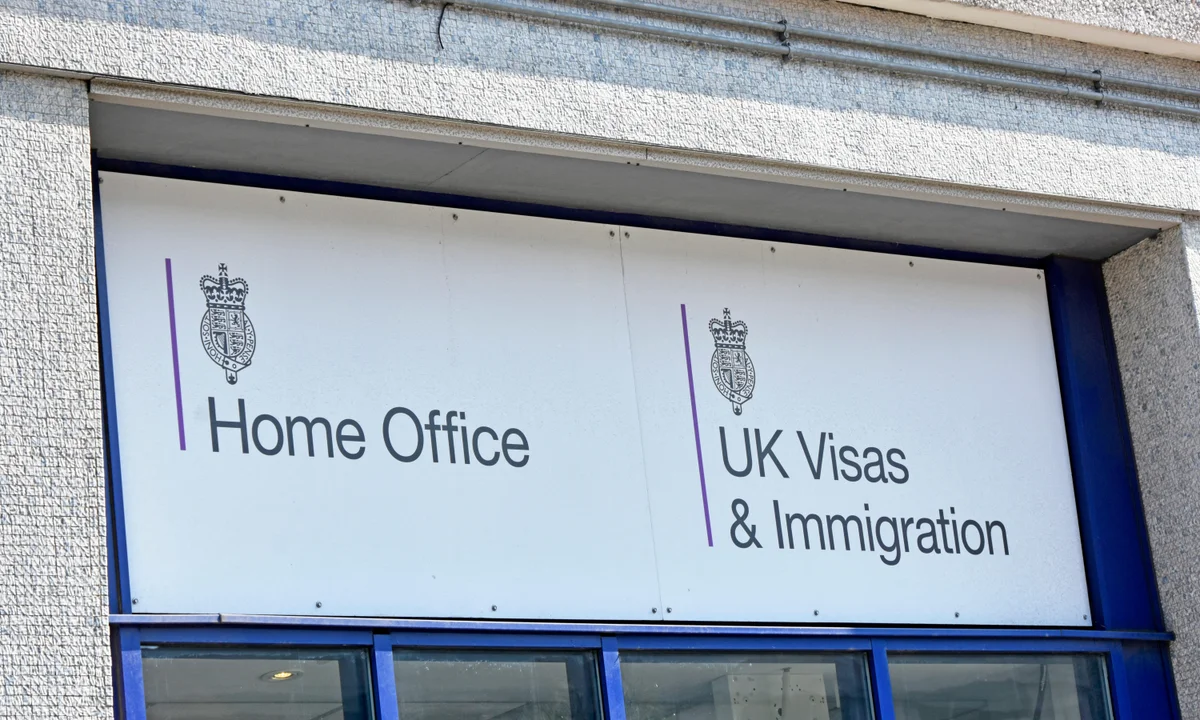
Thousands of Kenyans living and working in the United Kingdom could face a longer wait for permanent residency after the British Government unveiled a new system that makes settlement dependent on income, occupation and immigration history.
Home Secretary Shabana Mahmood announced the policy in Parliament on Monday, November 2, setting a new 10-year standard qualifying period for most migrants seeking Indefinite Leave to Remain (ILR).
The change doubles the previous five-year route for many workers. However, it does not affect everyone in the same way. Higher earners, certain public service workers and some care workers will retain shorter routes, while migrants who have breached immigration rules could face a wait of at least 20 years.
Mahmood said the new approach was intended to recognise people who make a sustained contribution to British society.
“Settlement should not be automatic. It should be earned,” she told Parliament.
The announcement is particularly significant for Kenyans who moved to Britain through employment routes and had planned their future around qualifying for permanent residency after five years.
Who will qualify after five, 10 or three years?
Under the new Earned Settlement model, most migrants will have to complete 10 years before applying for permanent residency.
Those earning at least £50,271 a year will retain a five-year route, provided they meet the other eligibility conditions. Certain qualifying public service professionals, including doctors, nurses and teachers, will also be eligible for settlement after five years.
The fastest route will be available to the highest earners. People earning more than £125,000 annually will be able to apply after three years. Some migrants entering through high-talent visa routes will also qualify for the shorter period.
For workers who fall outside these categories, the standard wait will be 10 years. They will still be able to renew their temporary visas while working towards settlement.
The system therefore places greater emphasis on earnings and the nature of a migrant’s work, rather than simply the number of years spent in Britain.
What happens to Kenyans already living in Britain?
One of the most consequential parts of the announcement concerns people who are already in the UK.
The Government says settlement applications will generally be assessed using the rules in force when a decision is made, rather than those that applied when the migrant first arrived.
This means some people who moved to Britain expecting to qualify after five years could find themselves facing a longer wait.
However, the Government has announced transitional protections for particular groups who entered qualifying routes before its Immigration White Paper was published in May 2025.
Care workers who meet the conditions of their visas and earn at least £25,000 annually in the social care sector will retain the five-year route.
Those who entered the care route before May 2025 but did not meet all the requirements will be offered another five-year visa. They will be allowed to seek work with a legitimate care provider rather than remain tied to their previous employer.
Similar transitional arrangements will apply to certain lower-paid public service workers in healthcare and education, including roles such as nursing auxiliaries and teaching assistants.
The protections are not a blanket exemption for everyone working in care, health or education. Workers who entered these routes after May 2025 will generally fall under the new settlement framework.
New conditions for permanent residency
The Government is also tightening the basic requirements for migrants seeking permanent residency.
Applicants will need to demonstrate a clean criminal record, a high standard of English, no outstanding debt to the British Government and a record of National Insurance contributions.
The Home Office has also made sustained contribution a central part of the assessment. Applicants will need to show that they have participated in the British economy and met the conditions attached to their immigration status.
People who have received public benefits will face additional conditions, including a requirement to have spent five continuous years without relying on them before applying under the shorter settlement routes.
Those who breach immigration rules, including overstaying or violating visa conditions, could face a 20-year qualifying period.
The Government says the changes are intended to ensure that permanent residency reflects both good conduct and contribution.
Refugees face even longer settlement periods
The reforms also introduce different timelines for refugees, depending on how they entered Britain.
People arriving through Government-approved safe and legal routes will be eligible to apply for settlement after five years.
Others will face a standard 20-year wait. That period could fall to 10 years for refugees who move into work or study under the new protection arrangements.
Those who enter through clandestine routes, including small boat crossings, could face an additional 10 years, taking the potential wait to 30 years.
These provisions apply to the refugee settlement system and should not be confused with the standard routes for foreign workers.
When will the changes take effect?
Although the Government has announced its final policy following a public consultation, the detailed immigration rules and operational guidance are still to be published.
The Home Office says it will provide further information on how the new framework will work, alongside a full impact assessment, as implementation proceeds.
More than 200,000 responses were submitted during the consultation. The Government says it considered concerns about fairness, complexity and the impact on migrants already living in Britain before settling on the final framework.
For Kenyans and other foreign nationals, the practical effect will depend on their visa category, occupation, income, immigration history and the date they entered their current route.
The changes could force some migrants to rethink plans involving home ownership, family reunification and long-term financial commitments in Britain.
For those approaching the end of their current qualifying period, the distinction between existing rules and the new framework could be especially important.
The announcement does not mean that every Kenyan in Britain will automatically have to wait 10 years. But it does mean that the five-year route can no longer be assumed by everyone planning to settle permanently in the UK.
You may also like
Category: International · Related Topic: Social Health Authority (SHA)
Related Video: What Dangote’s proposed Lamu oil refinery could mean for East Africa
Related Explainer: Why the BCG Vaccine Leaves That Small Scar on Your Arm
About the Author
Maureen Onyango is a journalist passionate about storytelling, life coaching and spiritual lessons. She studied at the Kenya Institute of Management and enjoys telling stories that inform, inspire and empower communities.
 Facebook
 Twitter / X
 WhatsApp
 LinkedIn
 Telegram
 Reddit