
University students could return to lecture halls next week after university lecturers and the government agreed on a KSh20 billion financial package to resolve a nationwide strike that has disrupted learning for nearly a month.
The Universities Academic Staff Union (UASU) says the deal will be put in writing before the union formally calls off the industrial action on Friday, October 30. Lecturers are expected to resume teaching on Monday, November 2, if the outstanding steps are completed as planned.
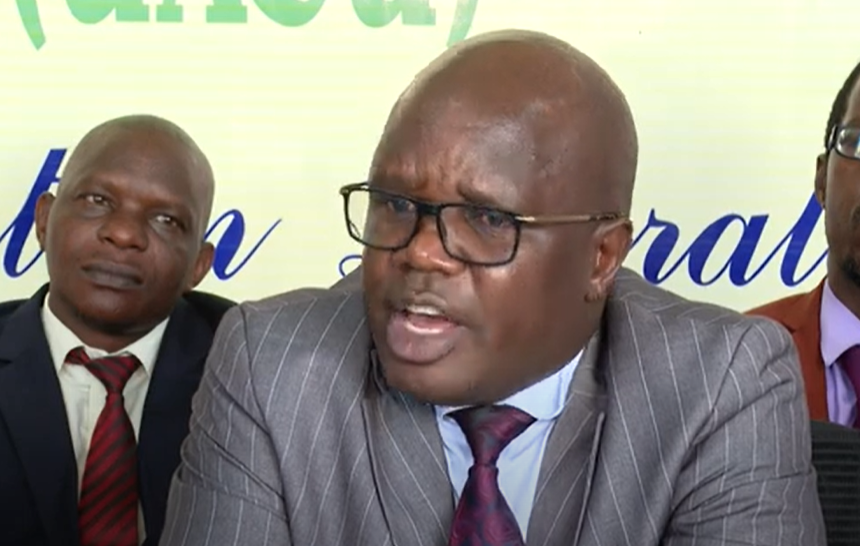
UASU Secretary-General Constantine Wasonga announced the breakthrough after negotiations with the government on Wednesday, October 28. He said the agreed figure had emerged from negotiations rather than being imposed on the union.
“We have agreed on a figure we have negotiated with the government, not a figure imposed on the union,” Wasonga said.
He urged lecturers to prepare to return to their institutions, assuring students that teaching would resume at the beginning of next week.
From a KSh12 billion stalemate to a KSh20 billion deal
The agreement marks a significant shift in a dispute that had stalled over the cost of implementing the 2025–2029 Collective Bargaining Agreement (CBA).
Lecturers and other university staff represented by UASU, the Kenya Universities Staff Union (KUSU) and KUDHEIHA began their strike on October 2 after negotiations failed to produce an agreement acceptable to the unions.
The government’s earlier proposals fell well short of what the unions wanted. An offer of about KSh11.96 billion presented on October 26 was rejected, with union officials arguing that it did not represent progress from an earlier proposal of about KSh12 billion.
The new KSh20 billion figure is an increase of roughly KSh8 billion on that latest offer. But it remains considerably below the KSh98 billion that UASU had reportedly sought for the four-year agreement.
The gap between the two figures highlights the financial compromise at the centre of the negotiations. The final agreement will need to spell out the terms accepted by both sides, including how the package will apply to different categories of university staff.
What the KSh20 billion will cover
Wasonga said the package would cover basic salaries and allowances under the new CBA. Union demands have gone beyond basic pay, including changes to allowances and arrangements relating to staff car loans and mortgages.
The dispute has also raised wider concerns about medical cover, staff shortages and the funding of university employees. UASU has argued that staff salaries should be financed through the National Exchequer rather than student fees.
However, the detailed allocation of the KSh20 billion and the timetable for implementing the benefits have not been publicly clarified in the reports available so far.
That leaves an important step before the agreement can be assessed fully: the technical teams must record the negotiated terms in a formal document. The union is also expected to review how the package will be distributed among staff before completing the process.
The government and the unions have not yet publicly set out a detailed payment schedule. The headline figure alone does not establish how much individual employees will receive or when each benefit will take effect.
Students bear the cost of the prolonged standoff
The strike has disrupted teaching across public universities, leaving students uncertain about lectures, examinations and the timing of their academic programmes.
At the University of Nairobi, students took to the streets this week to demand an end to the dispute. Their demonstrations reflected growing frustration over the time lost while negotiations dragged on.
A return to class on Monday would bring relief to students and university administrators, but it would not automatically resolve the academic disruption. Universities may still need to review their calendars and determine how missed lectures, assessments and examinations will be accommodated.
The length and scale of any adjustments will depend on decisions made by individual institutions.
Friday is the next key test
The talks involved union leaders, university representatives, Education Cabinet Secretary Julius Ogamba, National Treasury Cabinet Secretary John Mbadi and Interior Principal Secretary Raymond Omollo.
Wasonga credited the negotiations with producing a figure acceptable to the union and expressed confidence that teaching would resume next week.
The immediate test is whether the technical teams can document the terms and the union can formally call off the strike on Friday. Until those steps are completed, Monday’s resumption remains the stated plan rather than a fully completed return to normal operations.
The KSh20 billion agreement offers a route out of the impasse. Its longer-term significance will depend on the written terms, the implementation of the CBA and whether the settlement addresses the pay and working conditions that brought university staff out on strike.
You may also like
Category: Education
Related Video: Human Ladder Reaches Dangerous Heights as Climbers Keep Going
Related Explainer: Kenya G-to-G Oil Deal Explained: How It Works, Who Supplies the Fuel and Why It Is Controversial
About the Author
Maureen Onyango is a journalist passionate about storytelling, life coaching and spiritual lessons. She studied at the Kenya Institute of Management and enjoys telling stories that inform, inspire and empower communities.
 Facebook
 Twitter / X
 WhatsApp
 LinkedIn
 Telegram
 Reddit