
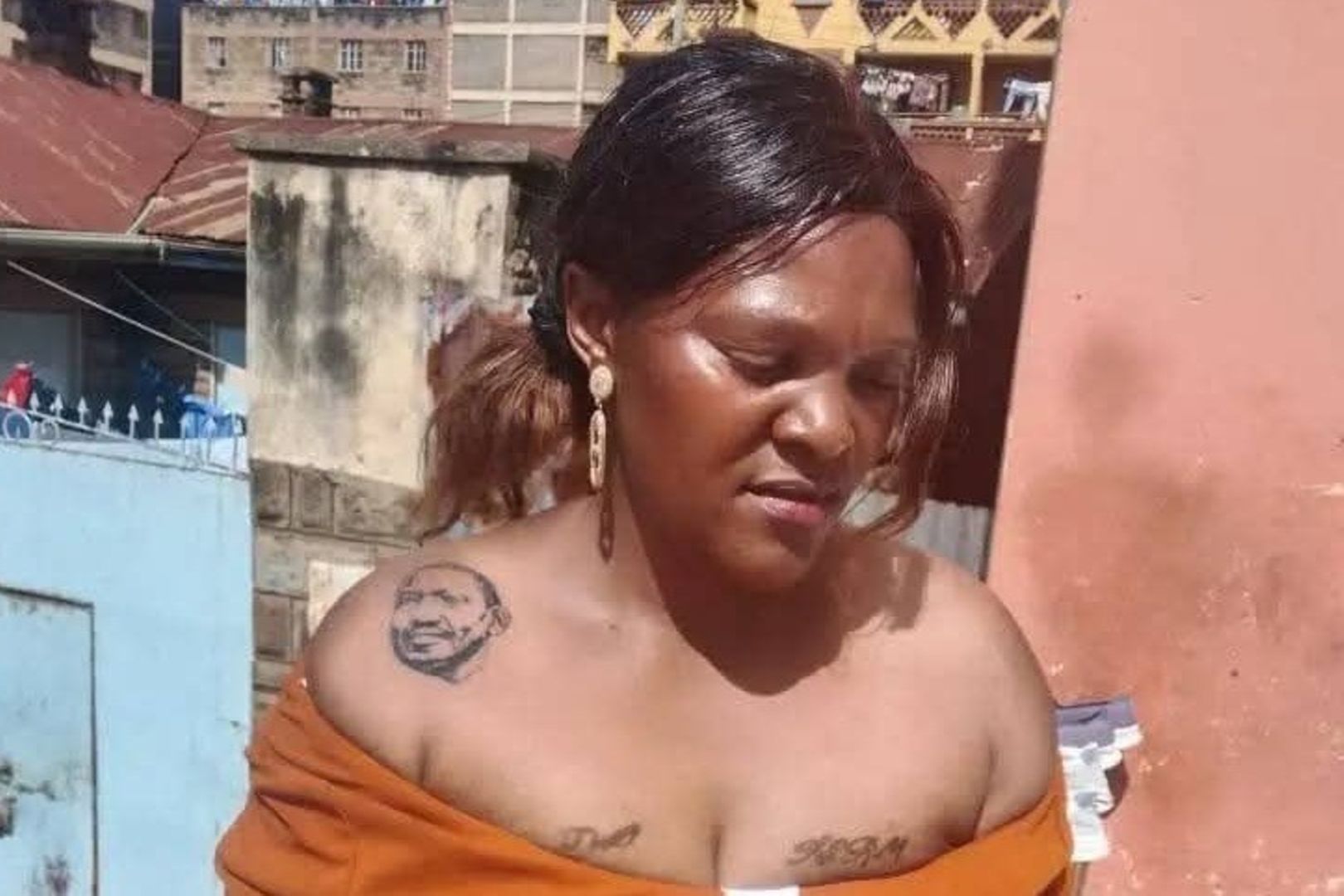
Former Deputy President Rigathi Gachagua has made fresh and unverified allegations about the death of gospel singer Rachel Wandeto, claiming the circumstances surrounding her final days may have been different from the narrative that initially dominated public debate.
Nearly three months after Wandeto was attacked in Mwiki and died while receiving treatment at Kenyatta National Hospital, the case remains the subject of political debate and public scrutiny.
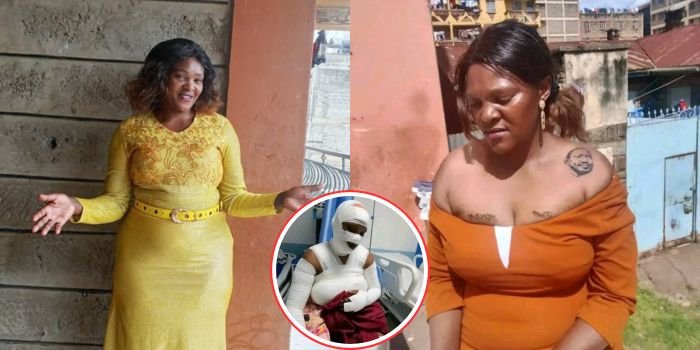
Wandeto was attacked on May 16, 2026, while reportedly on her way home. The Directorate of Criminal Investigations said she encountered three men along 11th Street near Obama Road, who allegedly assaulted her, poured a flammable substance on her and set her on fire. She died two days later.

A postmortem examination later established that Wandeto suffered burns covering approximately 85 per cent of her body. Forensic samples were also collected as part of the investigation.
The attack initially generated intense speculation that Wandeto had been targeted because of her open support for President William Ruto. She had attracted national attention after displaying a tattoo of the President and messages supporting his re-election bid.
However, investigators also pursued a different line of inquiry.
Money trail emerged early in investigation
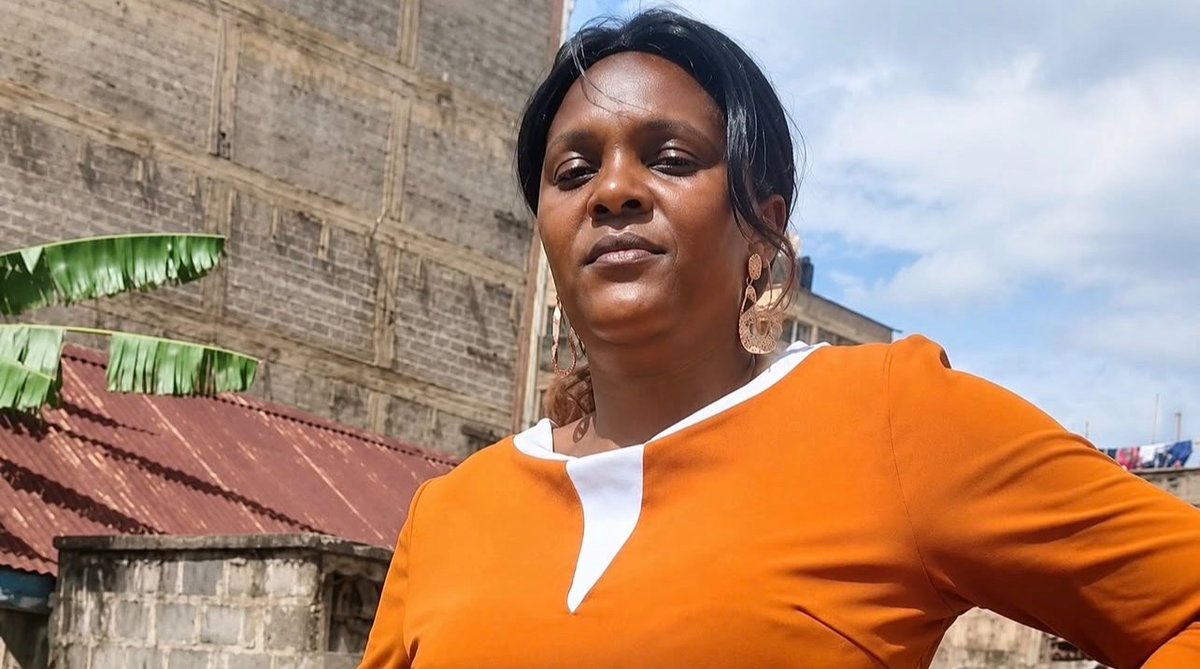
Within days of the attack, police investigators were reported to be examining a possible financial motive.
The Star reported that Wandeto's regular taxi driver had been arrested as detectives investigated whether people who knew that she had received money during some of her trips could have targeted her. Investigators were also exploring whether those familiar with her movements and finances could have been involved.
Before her death, Wandeto herself was reported to have told people who came to her aid that her attackers had accused her of benefiting from President Ruto's political support.
A report by TNX Africa, citing a video shared before her death, said Wandeto recounted that three men confronted her, accused her of having "eaten" Ruto's money and demanded money before pouring a flammable substance on her and setting her ablaze.
That account is significant because it shows that the possibility of a financial motive was not introduced only after her death.
What Gachagua is now alleging
Gachagua has now sought to reopen questions surrounding the case, alleging that senior government security officials who visited Wandeto in hospital may have received information from her that differed from the dominant public narrative.
According to claims attributed to Gachagua, Interior Cabinet Secretary Kipchumba Murkomen and Inspector General of Police Douglas Kanja visited Wandeto before her death and allegedly received information suggesting that the incident could have been connected to a dispute over money rather than a politically motivated attack.
Gachagua has further alleged that there were subsequent efforts to suppress or reshape information from individuals who could have shed light on what happened.
LiveNow Africa has not independently verified these allegations. We have also not found an official police, DCI or court record confirming Gachagua's claims about what Wandeto told the security officials before her death or allegations of a subsequent cover-up.
The claims therefore remain allegations and should not be treated as established facts.
The unanswered questions
The fresh allegations come against the backdrop of an investigation that, from the beginning, contained competing possible explanations.
The DCI said its homicide directorate had taken over the investigation to establish the circumstances of the attack and identify everyone involved.
At the time, Interior CS Kipchumba Murkomen said that if the attack was politically motivated, it would represent a serious threat to Kenya's democratic freedoms. Inspector General Douglas Kanja ordered detectives to move with speed and establish both what happened and the motive.
President William Ruto also condemned the killing and said those responsible would be held accountable regardless of their affiliations.
The political interpretation subsequently became even more contentious, with President Ruto warning against what he described as divisive rhetoric and saying the death of Wandeto would not go unanswered.
But the investigation's reported focus on a money trail means that a financial motive was also part of the early inquiry.
Three months later, the central question remains
The most important question is no longer simply whether Wandeto was attacked because of her political views.
It is who ordered or carried out the attack, why she was targeted, and whether all available evidence has been fully investigated.
Gachagua's allegations add a new political dimension to a case that has already generated considerable controversy.
But until investigators, prosecutors or a court establish otherwise, the competing explanations remain just that: explanations that require evidence.
For Wandeto's family and those demanding justice, the outcome of the investigation matters more than the political contest surrounding her death.
The unanswered questions are whether the attackers have been fully identified, what motivated them, whether the financial trail was conclusively investigated, and whether any evidence exists to support the latest allegations of interference or a cover-up.
As of publication, LiveNow Africa could not independently verify Gachagua's latest allegations.
You may also like
Category: Crime & Justice
Related Video: Murkomen Says Kenya Is Safe: “Stop Creating a Crisis” | Political Goons & Security Under Scrutiny
Related Explainer: Explainer: What happened to milk in Kenya?
 Facebook
 Twitter / X
 WhatsApp
 LinkedIn
 Telegram
 Reddit