
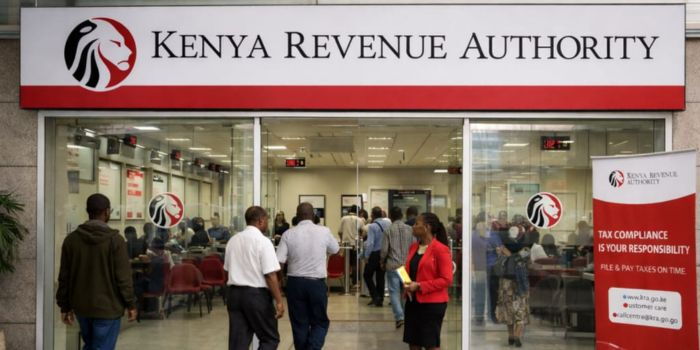
Kenyans will have two months less to submit their annual individual income tax returns from 2027 after the Kenya Revenue Authority (KRA) moved the filing deadline from June 30 to April 30.
The change, introduced under the Finance Act 2026, takes effect on January 1, 2027. It affects individual taxpayers, including salaried employees and self-employed people, as well as partnerships identified in KRA’s implementation guidance.
For years, June 30 has been the date by which taxpayers must submit their annual returns through the iTax platform. That familiar deadline will no longer apply to individual returns from the 2027 filing cycle.
In its guidance on the Finance Act 2026, KRA says individual taxpayers must now submit their returns by the last day of the fourth month after the end of the year of income.
Since the individual tax year runs from January to December, the new deadline falls on April 30.
The authority has encouraged taxpayers to adjust their filing plans and begin preparing their records earlier rather than waiting until the final weeks.
Who will be affected by the new deadline?
The change covers individual taxpayers, including employees whose income is mainly taxed through Pay As You Earn (PAYE).
Having tax deducted from a salary does not remove the obligation to file an annual return. Anyone with an active KRA PIN and an income tax filing obligation must still submit a return, even if they had no taxable income during the year.
Self-employed people and individuals earning income from more than one source will also need to work within the shorter filing period.
This means taxpayers with side businesses, consultancy work, rental income or other earnings should make sure their records are ready before the new deadline.
KRA has also listed partnerships among those affected by the revised timelines.
Companies retain a different filing deadline
The change does not mean every taxpayer will now file by April 30.
KRA says companies and other non-individual taxpayers will continue filing by the last day of the sixth month after the end of their accounting period.
For companies whose accounting year ends on December 31, that means the June 30 deadline remains in place.
The distinction is important for business owners and anyone responsible for preparing tax returns. The filing date will depend on the taxpayer category and the relevant accounting period.
KRA plans to make greater use of pre-filled tax information
The revised deadline comes alongside wider changes to tax administration under the Finance Act 2026.
The law allows KRA to issue pre-populated returns using information already available to the authority. This could include records submitted by employers and other third parties.
KRA says further guidance will be provided on how the process will work and which taxpayers will be affected.
Pre-filled information may make filing easier, but taxpayers should not assume that figures supplied by the authority are automatically complete or correct. They will still need to check their income, tax credits and other details before submitting a return.
People with several income sources should pay particular attention to whether all their earnings and applicable tax deductions have been captured.
What happens if you miss the April deadline?
Taxpayers who fail to submit returns on time risk late-filing penalties.
KRA’s published guidance currently sets the penalty for individuals at five per cent of the tax due or KSh2,000, whichever is higher. Late payment of tax can also attract additional charges.
Taxpayers should check the applicable rules and any updated KRA guidance when the new filing cycle approaches.
Tax amnesty deadline also approaching
The filing changes come as KRA’s 2026 Tax Amnesty Programme approaches its December 31, 2026 closing date.
The programme offers a 100 per cent waiver of qualifying penalties, interest and fines on tax liabilities accrued up to December 31, 2025.
However, it does not cancel the principal tax owed. Taxpayers with outstanding principal amounts must settle them by the amnesty deadline to qualify for the relief. Those who have already cleared the principal tax may qualify for an automatic waiver of the related penalties and interest.
The amnesty is separate from the new filing timetable, but it gives taxpayers with outstanding historical tax issues an opportunity to regularise their accounts before the end of the year.
With the April deadline approaching in the next filing cycle, individuals will need to get into the habit of preparing their tax records earlier. Waiting until June, as many have done in previous years, could mean missing the new deadline.
You may also like
Category: News
Related Video: Dolly Parton’s Family Announces Her Passing in Emotional Tribute
Related Explainer: Explainer: Why Kenya is moving hospitals to HMIS and what it means for SHA patients
About the Author
Maureen Onyango is a journalist passionate about storytelling, life coaching and spiritual lessons. She studied at the Kenya Institute of Management and enjoys telling stories that inform, inspire and empower communities.
 Facebook
 Twitter / X
 WhatsApp
 LinkedIn
 Telegram
 Reddit