
NAIROBI — President William Ruto currently holds the strongest position in Kenya’s 2027 presidential race, but a new Infotrak Voice of the People poll suggests the contest remains wide open, with a fragmented opposition and a large bloc of voters yet to firmly align with any political formation.
According to the June 2026 Infotrak political survey, Ruto commands 32% of presidential preference, giving the incumbent a clear lead over individual challengers. However, the poll notes that his support remains below the majority level, meaning the current advantage does not amount to an inevitable 2027 victory.
The findings paint a political landscape that Infotrak describes as “clearer, but still open.”

Ruto leads, but remains below majority support
Ruto's 32% places him at the top of the presidential preference rankings.
Infotrak characterises this as an “incumbent advantage, not inevitability”, noting that while the President has a clear lead over individual challengers, the race remains open.

The significance of the 32% figure is that 68% of respondents are not currently expressing a preference for Ruto — either backing other candidates or falling into categories outside his support base.
That leaves substantial room for the political field to shift before the August 2027 election.
Opposition vote remains divided
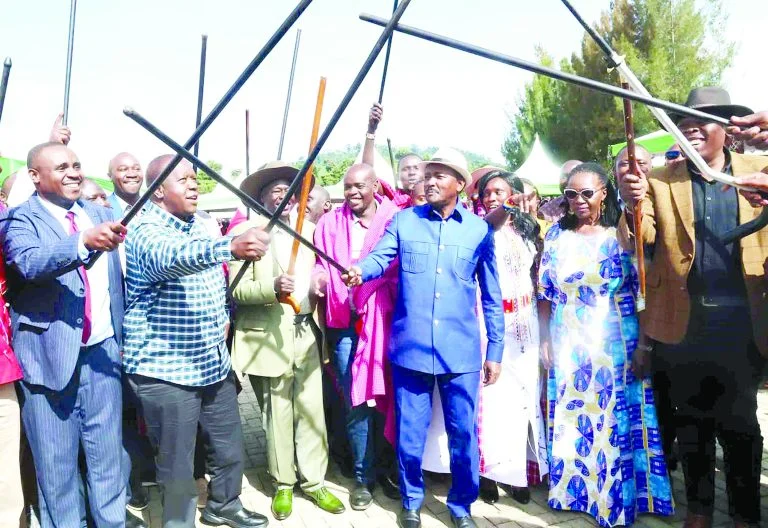
The survey's picture of the opposition is markedly different from the incumbent's position.
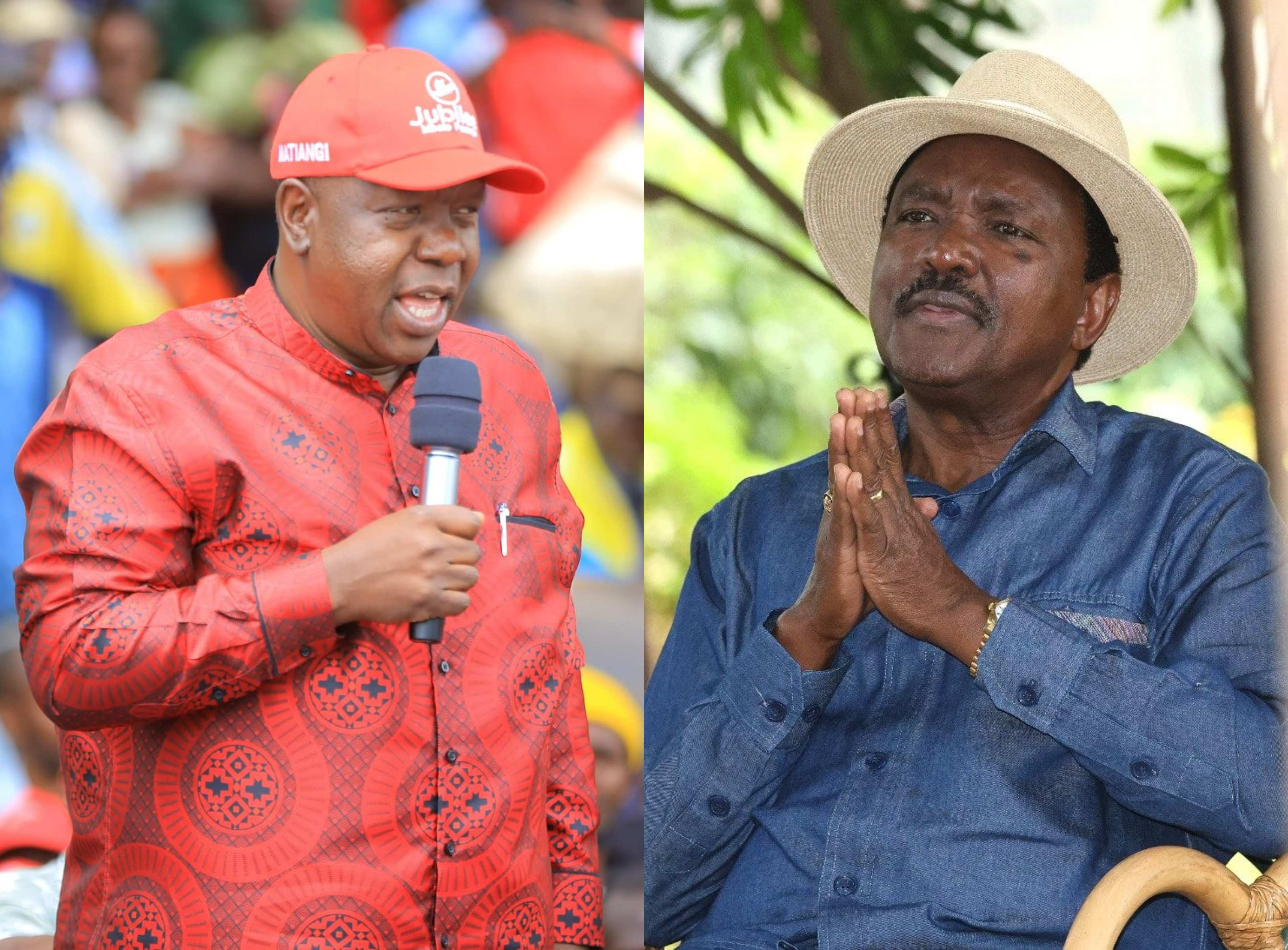
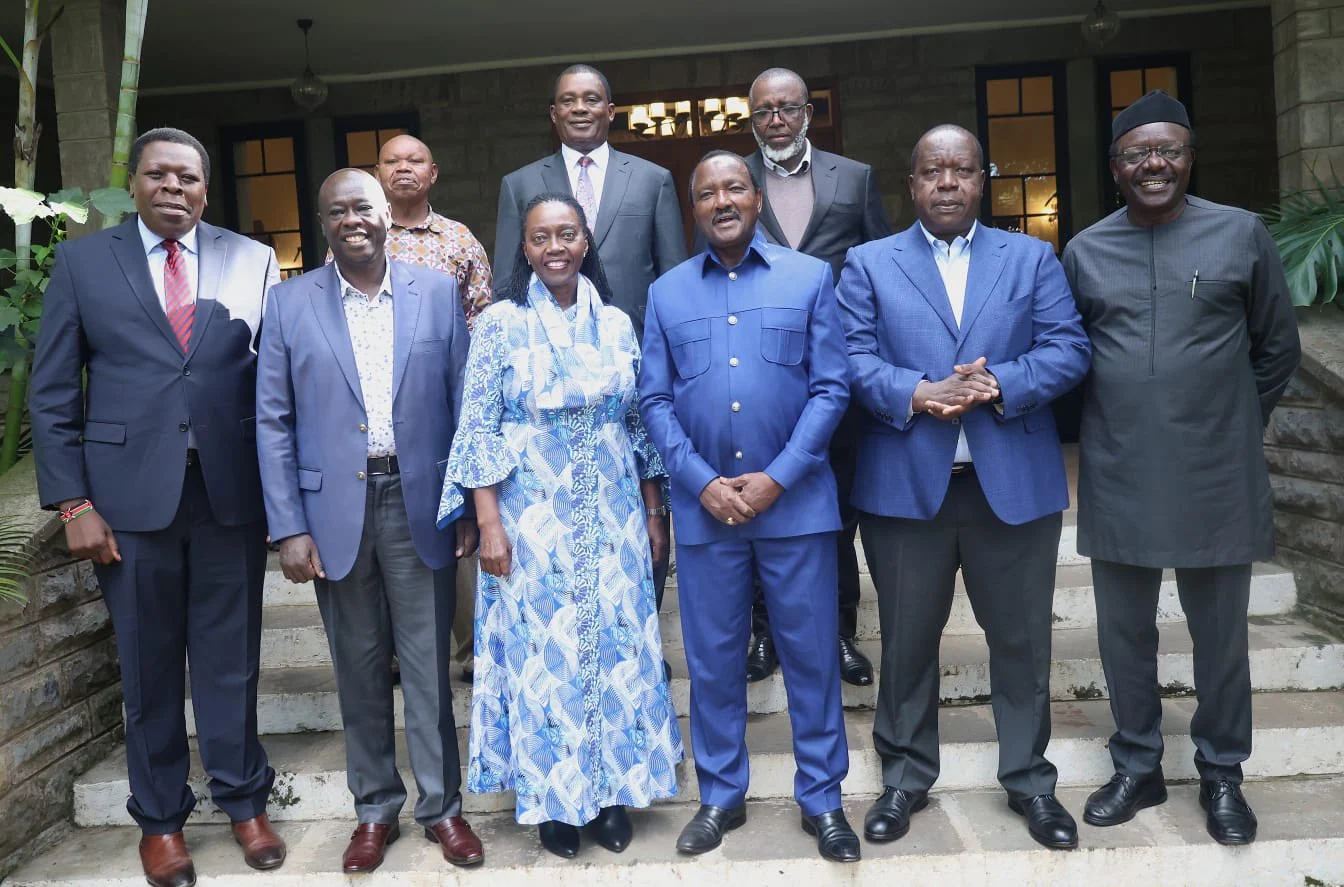
Infotrak reports that Kalonzo Musyoka and Matiang'i are virtually tied as preferred opposition candidates, at 27% and 26% respectively.
The near-even split illustrates the difficulty facing opposition forces seeking to consolidate behind a single presidential candidate.
Rather than one challenger emerging as an undisputed alternative to Ruto, opposition preference is distributed among several political figures.
Infotrak describes this as “fragmentation” defining the field.
A large non-aligned electorate could decide 2027
Perhaps one of the most consequential findings is the size of the politically unaligned electorate.
According to the poll, 22% of respondents are not close to any political party, while another 28% support no political formation.
That creates a substantial pool of voters who have not firmly committed themselves to existing political formations.
For the presidential contenders, this could make the period between now and 2027 less about defending existing support and more about converting undecided and non-aligned voters into committed supporters.
UDA and ODM almost level
The party numbers reinforce the picture of a fluid political environment.
Infotrak puts UDA's party preference at 22% and ODM at 21%, effectively placing the two parties almost level.
The narrow gap suggests that party structures alone may not determine the eventual presidential contest, particularly if new alliances and political formations emerge before the election.
Kindiki leads running-mate preferences
The survey also provides an important clue about the running-mate equation.
Deputy President Kithure Kindiki records the highest national preference among running-mate options at 34%.
This makes the running-mate question another potentially significant component of the 2027 political calculations.
The poll also finds that 27% prefer Kalonzo Musyoka while 26% prefer Matiang'i in the opposition candidate comparison.
Broad-Based Government divides opinion
The survey records a divided public view of the government's Broad-Based Government arrangement.
33% support the arrangement, while 37% oppose it.
The figures indicate that opposition to the arrangement currently exceeds support by four percentage points.
That split could become politically significant as parties and candidates attempt to define their positions ahead of 2027.
Kenya's political map is becoming more complex
Infotrak's overall assessment is that Kenya's political environment is being shaped by four major forces: incumbent advantage, a fragmented opposition, regionally differentiated preferences and a sizeable non-aligned electorate.
The poll describes the environment as “active, but far from settled.”
For Ruto, the immediate challenge is converting his current lead into a broader national coalition and moving beyond the 32% support captured by the survey.
For opposition candidates, the challenge is more fundamental: whether they can consolidate their fragmented support behind a single candidate or competitive ticket.
And for all political actors, the sizeable non-aligned electorate represents the biggest opportunity — and potentially the biggest battleground.
The 2027 race is not decided
Infotrak's bottom line is that the road to August 2027 will depend on which political actors can “convert visibility into trust, build credible coalitions, demonstrate competence and persuade voters who have not yet made a firm choice.”
For now, the numbers give Ruto the advantage.
But with 32% support, a fragmented opposition, closely matched major parties and a sizeable non-aligned electorate, the poll's own assessment is clear:
Kenya's 2027 presidential contest is taking shape — but it is far from settled.
Key numbers at a glance
| Finding | Infotrak figure |
|---|---|
| William Ruto – presidential preference | 32% |
| Kalonzo Musyoka – opposition preference | 27% |
| Matiang'i – opposition preference | 26% |
| Kithure Kindiki – running-mate preference | 34% |
| UDA – party preference | 22% |
| ODM – party preference | 21% |
| Support Broad-Based Government | 33% |
| Oppose Broad-Based Government | 37% |
| Not close to any party | 22% |
| Support no political formation | 28% |
You may also like
Category: Politics · Related Topic: William Ruto
Related Video: Murkomen Says Kenya Is Safe: “Stop Creating a Crisis” | Political Goons & Security Under Scrutiny
Related Explainer: Kiharu Technical College September Intake 2026: Courses, Skills and New Opportunities
 Facebook
 Twitter / X
 WhatsApp
 LinkedIn
 Telegram
 Reddit