
A British court has extended an injunction preventing a former Special Air Service soldier from publishing a memoir in the United Kingdom detailing his role in the response to the 2019 DusitD2 terrorist attack in Nairobi.
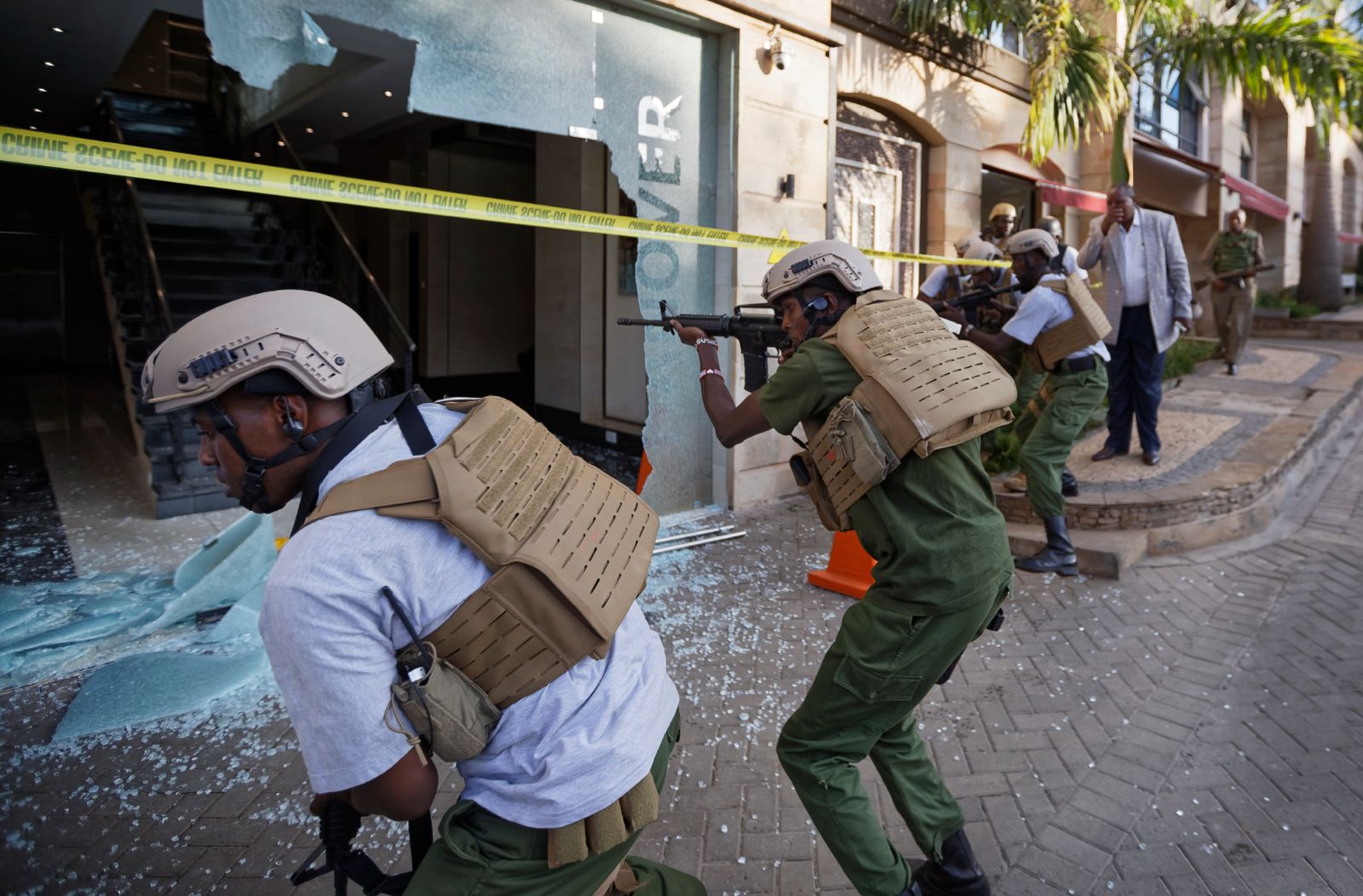
The former soldier, publicly known by the pseudonym Christian Craighead, became internationally recognised after photographs showed him participating in the security response to the attack at the DusitD2 complex on 14 Riverside Drive.
Al-Shabaab militants attacked the complex on January 15, 2019, killing 21 people, according to the account cited in the British High Court proceedings. Kenyan reporting has sometimes cited 22 victims depending on whether later deaths or other classifications are included.
Craighead was in Kenya at the time and responded to the attack alongside Kenyan security personnel.

He was subsequently awarded Britain's Conspicuous Gallantry Cross for his actions.
Craighead claims his intervention contributed to the rescue of more than 700 people trapped in the complex. That figure is his claim and should not be treated as an independently established count of people personally rescued by him.
His memoir, One Man In, describes the Nairobi operation alongside other aspects of his career in Britain's elite special forces.
But Britain's Ministry of Defence has gone to court to stop him publishing the book in the UK.
Why Britain wants the book blocked
The dispute centres on a confidentiality agreement Craighead signed when he joined the UK's special forces.
The agreement required him not to disclose information about his special-forces service without prior written approval from the Ministry of Defence.
The MoD argues that publication of the memoir would breach that lifelong obligation.
An interim injunction preventing publication had already been issued before government lawyers returned to the High Court seeking an extension.
Mr Justice Saini extended the injunction until the government's substantive legal action against Craighead is resolved.
The judge said Craighead had voluntarily entered the confidentiality agreement and had been repeatedly told by his superiors that he would not be permitted to publish the book.
The Ministry of Defence argues that its contractual claim is straightforward because Craighead accepted confidentiality requirements as a condition of serving in the special forces.
Craighead was not represented at the latest hearing, according to the court reporting.
Book already available in US
The unusual element of the case is that the memoir has already been published in the United States.
That means readers outside Britain can access an account that the British government is seeking to prevent from being formally published domestically.
The MoD told the court that the book's availability abroad did not invalidate its case because it alleges that overseas publication itself resulted from Craighead's breach of his obligations.
Craighead previously challenged the government's refusal to approve the memoir but lost that case in 2023 after the Ministry of Defence raised national-security concerns.
The current injunction will remain while the broader legal dispute continues.
Why Craighead became famous in Kenya
Craighead's connection to Kenya comes from one of the country's most traumatic terrorist attacks.
Gunmen associated with Al-Shabaab stormed the DusitD2 complex in Nairobi in January 2019, triggering a lengthy security operation as civilians attempted to escape from offices, restaurants and hotel facilities.
Craighead was not part of the initial Kenyan security deployment.
He was in Nairobi at the time and joined the response.
Images of the heavily armed soldier moving through the complex became some of the most recognisable photographs from the attack.
He worked alongside Kenyan security officers confronting the attackers and helping civilians leave the complex.
The operation eventually ended after Kenyan forces killed the attackers.
Craighead's role later received formal recognition from the British government through the Conspicuous Gallantry Cross, one of Britain's highest military awards for bravery.
Secrecy versus personal account
The legal battle now raises a broader question frequently associated with former special-forces personnel: how far can soldiers go in publicly describing operations after leaving military service?
From Craighead's perspective, the memoir provides his account of an operation that made him internationally known.
From the Ministry of Defence's perspective, the issue extends beyond whether individual details are already publicly known.
Britain maintains strict secrecy around special-forces operations, personnel and methods.
The government's case is based principally on Craighead's contractual obligation not to disclose information from his service without written permission.
The High Court has not simply ruled that every account of the DusitD2 operation is prohibited.
Its order concerns Craighead's publication obligations arising from his former membership of the British special forces.
For Kenya, however, the dispute has revived attention on a dramatic chapter of the DusitD2 attack.
Seven years after the assault, one of the best-known figures photographed during the rescue operation is now fighting a very different battle — not against militants inside a Nairobi complex, but over whether he has the legal right to publish his own account of what happened there.
Category: News
Related Video: Human Ladder Reaches Dangerous Heights as Climbers Keep Going
Related Explainer: Kenya G-to-G Oil Deal Explained: How It Works, Who Supplies the Fuel and Why It Is Controversial
 Facebook
 Twitter / X
 WhatsApp
 LinkedIn
 Telegram
 Reddit