
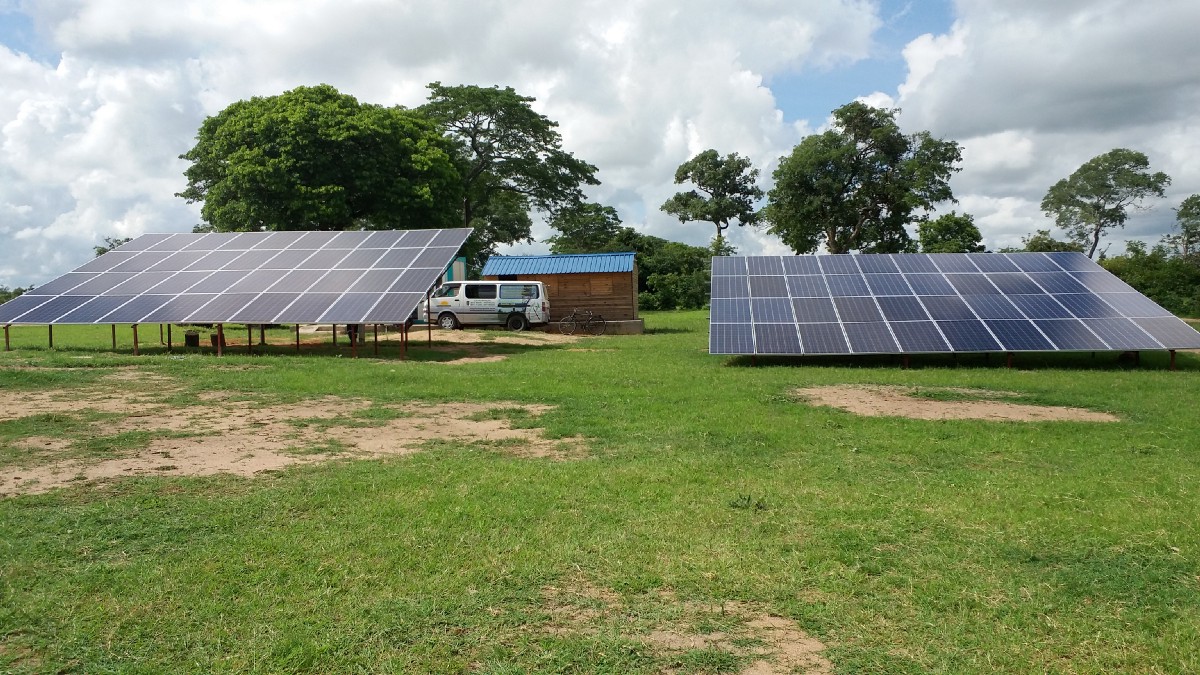
Kenyan households and businesses generating solar electricity could face additional charges if they feed surplus power into Kenya Power's network without authorisation, under regulatory changes aimed at protecting the national electricity grid.
The Energy and Petroleum Regulatory Authority has introduced a “dumping surcharge” targeting unauthorised electricity injected into the distribution network.
The measure does not amount to a general penalty on people for installing or using solar power.
Instead, it applies where a consumer's generating system sends electricity into Kenya Power's network without prior written authorisation or an approved net-metering arrangement.

That distinction is important as growing numbers of Kenyan homes and businesses install rooftop and captive solar systems to reduce electricity costs and provide backup during outages.
Under Kenya's Energy (Net-Metering) Regulations, consumers generating their own electricity can enter into agreements allowing them to supply surplus electricity to the grid.
The regulations cover generating systems of up to 1 megawatt.
Special meters measure electricity imported from Kenya Power and electricity exported back into the network. Surplus generation can then be used to offset future electricity bills under the applicable net-metering arrangements.
What is illegal electricity ‘dumping’?
EPRA defines the problem as electricity entering the utility's network from a consumer's generating system without the necessary authorisation.
Under the new tariff provisions, such electricity can be measured and charged at the applicable base tariff.
Additional action can be taken if unauthorised injection results in injury or damage to equipment.
Kenya Power says the issue is not merely commercial.
Managing director Joseph Siror has warned that uncontrolled grid-connected solar installations can endanger technicians working on electricity lines and create technical instability within the distribution network.
For example, technicians may believe a section of the network has been isolated from electricity only for an unauthorised solar installation to continue feeding power into it.
That creates the possibility of serious or fatal accidents.
The regulations consequently allow a licensee to disconnect a net-metering system that violates the grid code.
Immediate disconnection is also permitted where continued electricity delivery presents an imminent danger to people or property or threatens the safety, reliability or security of the distribution network.
Why solar is becoming a grid issue
Kenya's solar market has expanded rapidly as businesses seek cheaper and more predictable electricity.
Major companies have installed captive solar plants, while households increasingly combine solar panels, batteries and Kenya Power connections.
EPRA data cited by Business Daily shows Kenya had about 326.7MW of installed solar captive-generation capacity by December 2025, representing more than half of the country's captive power capacity.
The growth creates a new challenge for Kenya Power.
Traditional electricity grids were designed primarily for power to flow in one direction — from generating stations through transmission and distribution systems to consumers.
Rooftop and commercial solar installations change that relationship because consumers can also become producers.
That is why they are sometimes described as “prosumers”.
When properly controlled, distributed solar generation can reduce electricity costs and add renewable power to the network.
When improperly connected, however, it can create safety and grid-management problems.
What solar owners should do
A household running solar panels independently from Kenya Power's grid is not automatically affected by the dumping surcharge simply because it uses solar electricity.
The key issue is whether the system is capable of exporting electricity into Kenya Power's network.
Owners of grid-tied installations should ensure their systems have been properly designed and installed by authorised professionals and that required approvals have been obtained.
Consumers wishing to export surplus electricity should use the formal net-metering process rather than allowing an installer to connect a system informally.
The regulations also require consumers to obtain approval before modifying or replacing elements of an approved net-metering system or its connection point.
The regulatory shift reflects a wider transformation of Kenya's electricity market.
For decades, most consumers simply bought electricity from Kenya Power.
Increasingly, homes and businesses can generate substantial amounts themselves.
The challenge for regulators is ensuring that transition towards decentralised renewable energy does not undermine the safety and stability of the national grid.
For solar users, the message is therefore not that generating your own electricity is illegal.
It is that connecting a private generation system to the national grid comes with technical and regulatory responsibilities.
You may also like
Category: Business
Related Video: Human Ladder Reaches Dangerous Heights as Climbers Keep Going
 Facebook
 Twitter / X
 WhatsApp
 LinkedIn
 Telegram
 Reddit