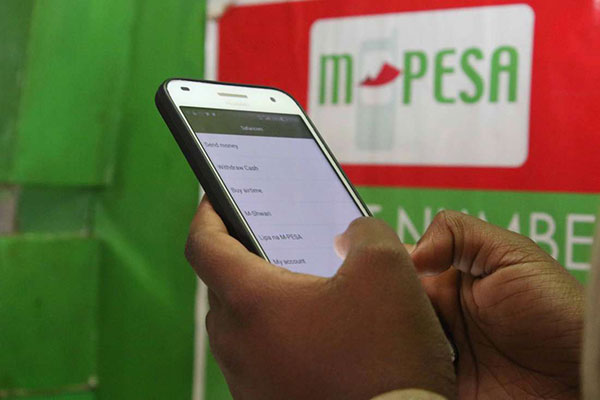
Kenyan banks, mobile-money providers and other financial institutions could face sweeping new requirements to share customer information under proposed legislation that could reshape how financial data moves between institutions.
The proposals are significant in a country where M-Pesa, banks, digital lenders and other financial platforms collectively hold enormous amounts of information about how millions of people earn, borrow, save and spend money.
If enacted, affected institutions would have a transition period to comply with the new requirements.
At its core, greater financial-data portability can have genuine benefits.

A customer seeking a loan from a new institution could potentially authorise access to financial records held elsewhere, allowing the lender to make a better assessment of income, spending patterns and repayment ability.
That could help consumers who have strong financial histories but lack conventional collateral.
It could also make it easier for customers to compare services and switch providers rather than remaining locked into one bank or mobile-money ecosystem.
But the same system creates an obvious question: who can see your financial information, and under what circumstances?
Financial data can reveal far more about an individual than an account balance. Transaction histories can show where a person shops, which hospital they visit, where they travel, who regularly sends them money and what bills they pay.
That makes consent, cybersecurity and limits on secondary use central to the debate.
The crucial distinction is between a system in which customers deliberately authorise their data to be shared for a defined purpose and one in which institutions can exchange broad datasets with limited visibility for the customer.
Kenya already has a Data Protection Act and an Office of the Data Protection Commissioner. Any new financial-data regime will therefore have to operate alongside existing requirements governing lawful processing, security and privacy.
Another issue is liability.
If customer information is transferred from one institution to another and subsequently leaked or misused, consumers need clarity about which organisation bears responsibility.
The legislation could also affect competition.
Safaricom's M-Pesa remains overwhelmingly dominant in Kenyan mobile money. Easier movement of financial information could potentially allow banks, fintech companies and rival mobile-money providers to develop products using data that historically remained within individual platforms.
But implementation will matter as much as the law itself.
Technical standards will need to be secure. Customers will need simple mechanisms to grant and withdraw permission. Institutions will need to verify who is requesting information and prevent fraudulent consent.
The Bill therefore has the potential to open Kenya's financial system further — but also to create one of the country's most consequential financial-privacy debates.
For ordinary customers, the key question is simple: greater control over your financial data can create competition and convenience, but only if sharing happens transparently, securely and with meaningful consent.
You may also like
Category: Business · Related Topic: Social Health Authority (SHA)
Related Video: Murkomen Says Kenya Is Safe: “Stop Creating a Crisis” | Political Goons & Security Under Scrutiny
Related Explainer: EXPLAINER: Why Kenya’s aviation workers are striking — and what travellers need to know
 Facebook
 Twitter / X
 WhatsApp
 LinkedIn
 Telegram
 Reddit